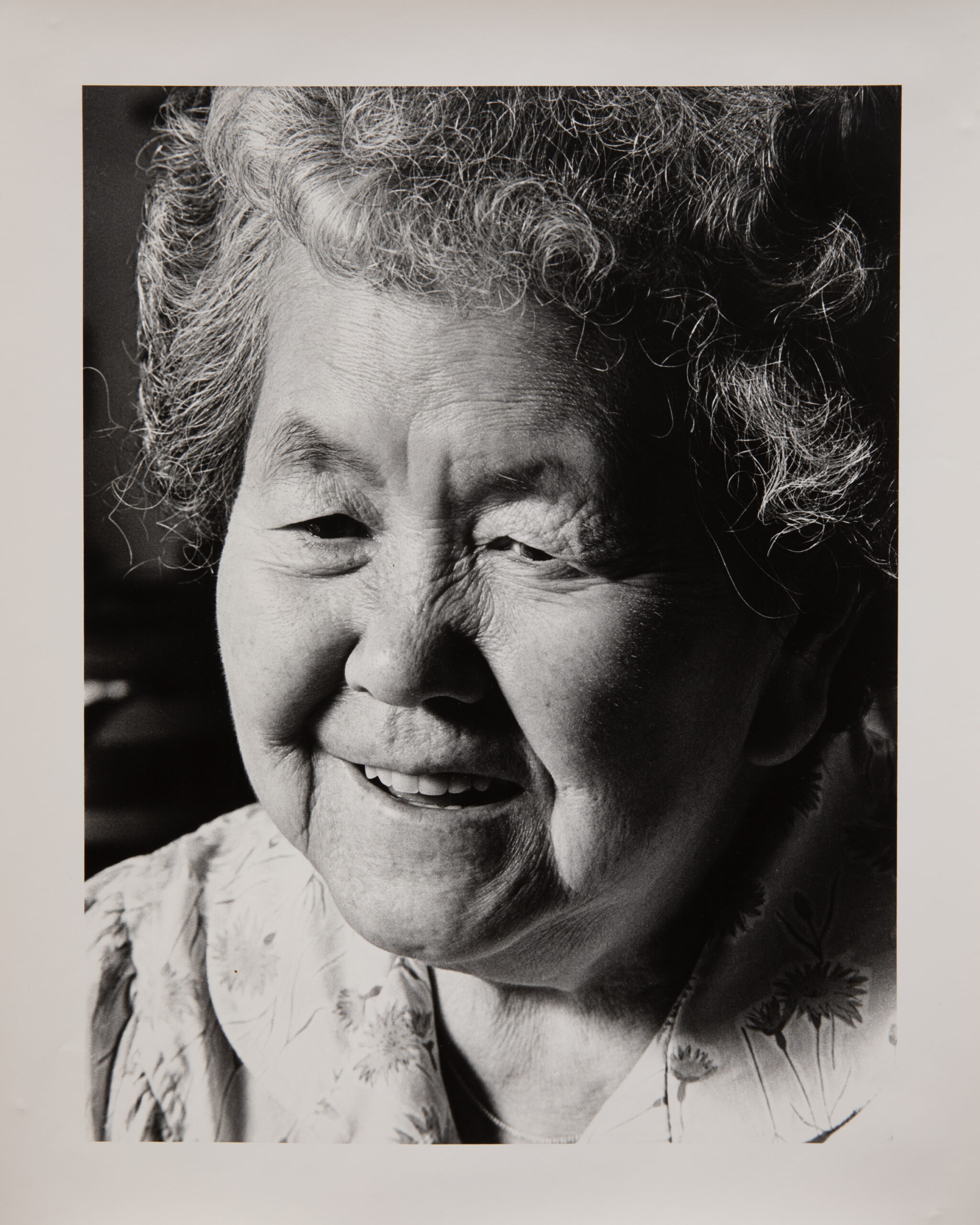
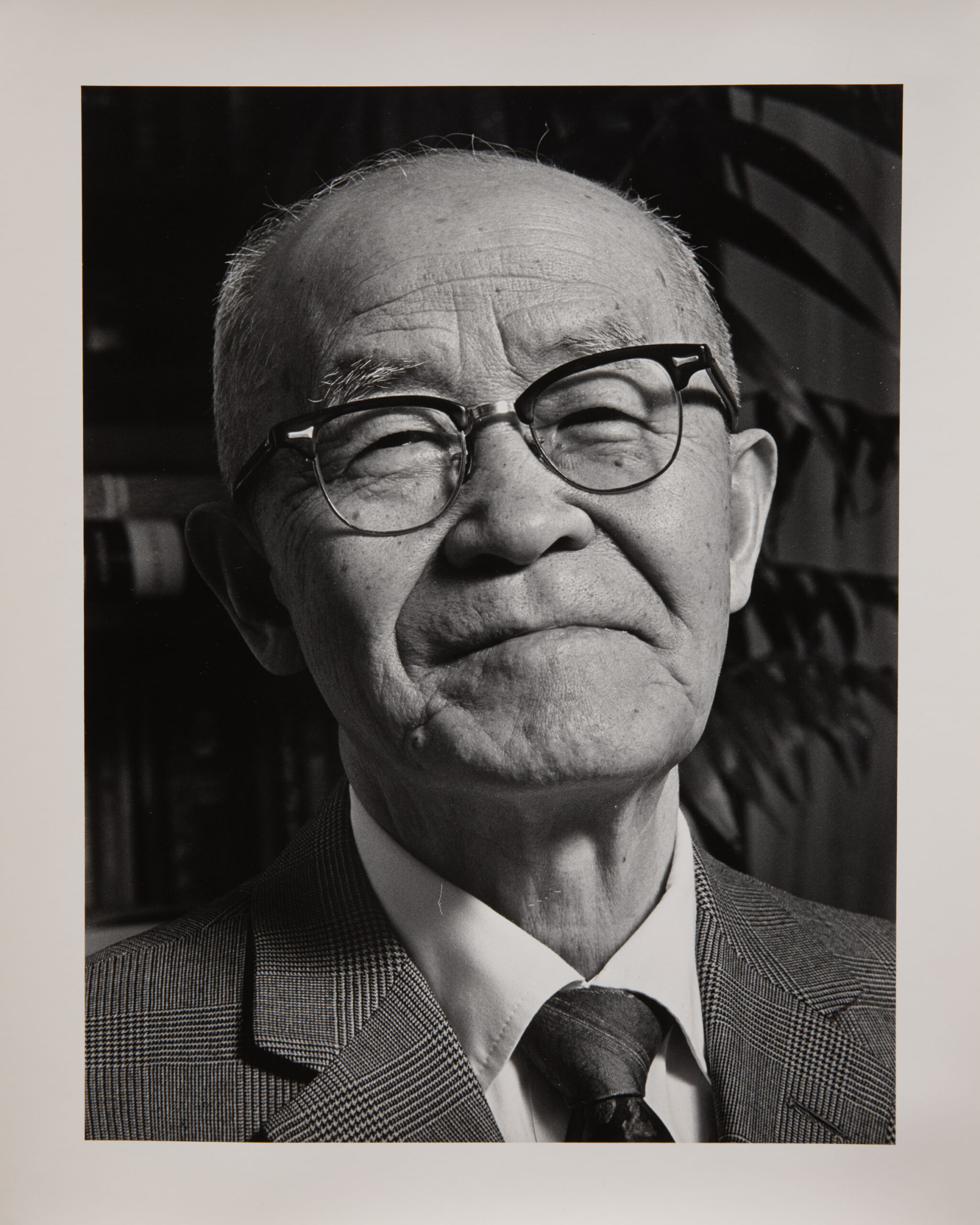
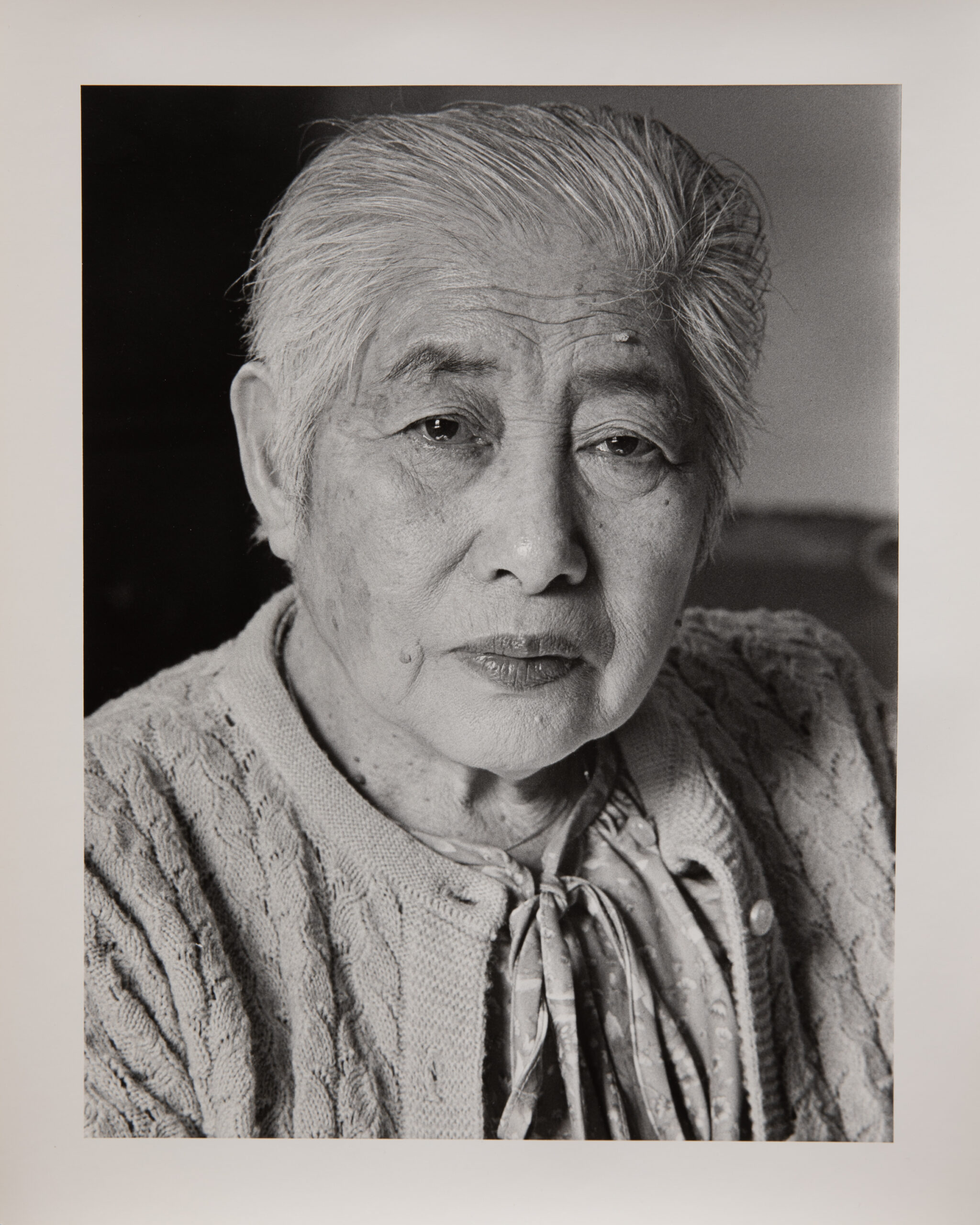
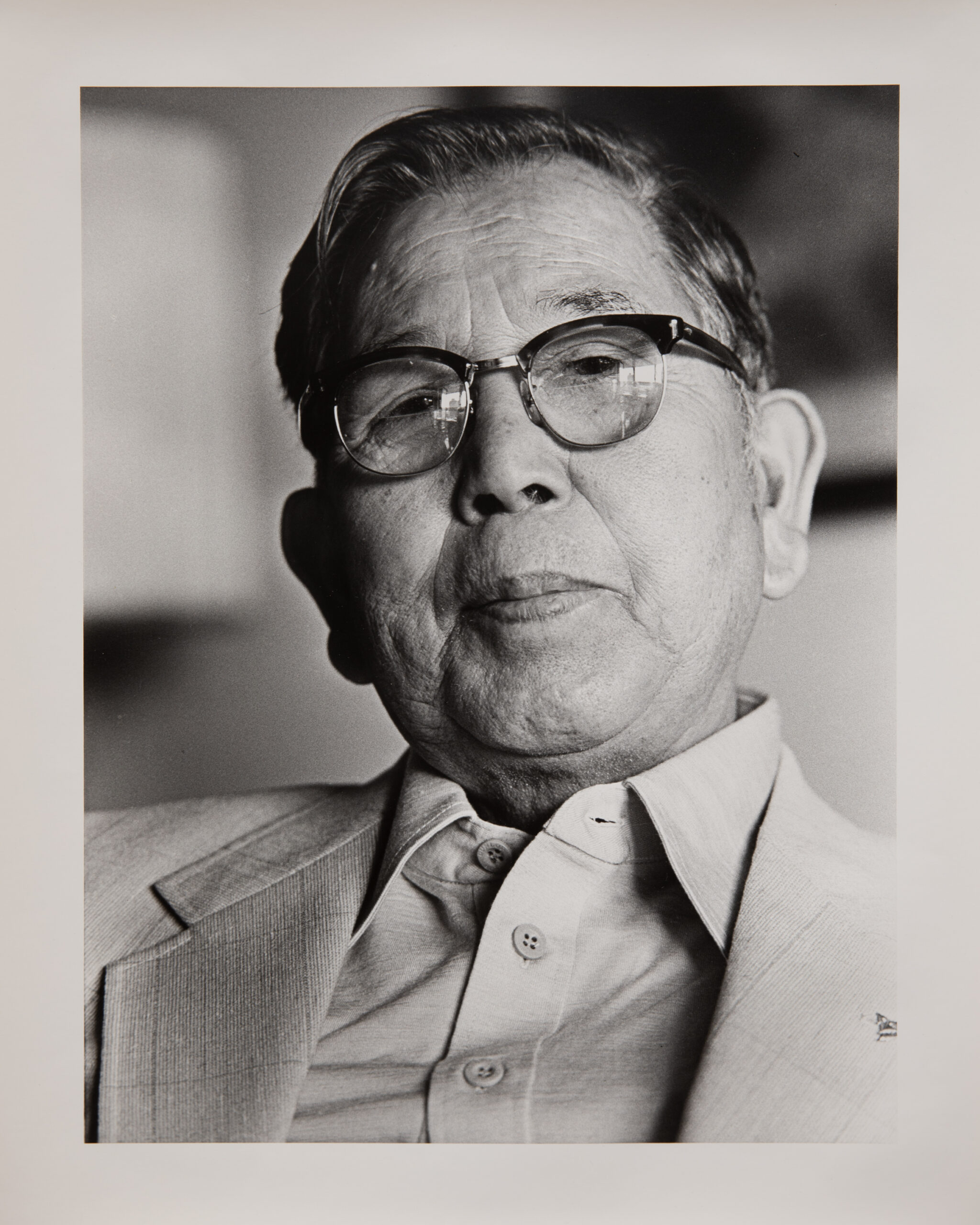
ISSEI
Portraits Of The First-Generation Japanese New Yorkers
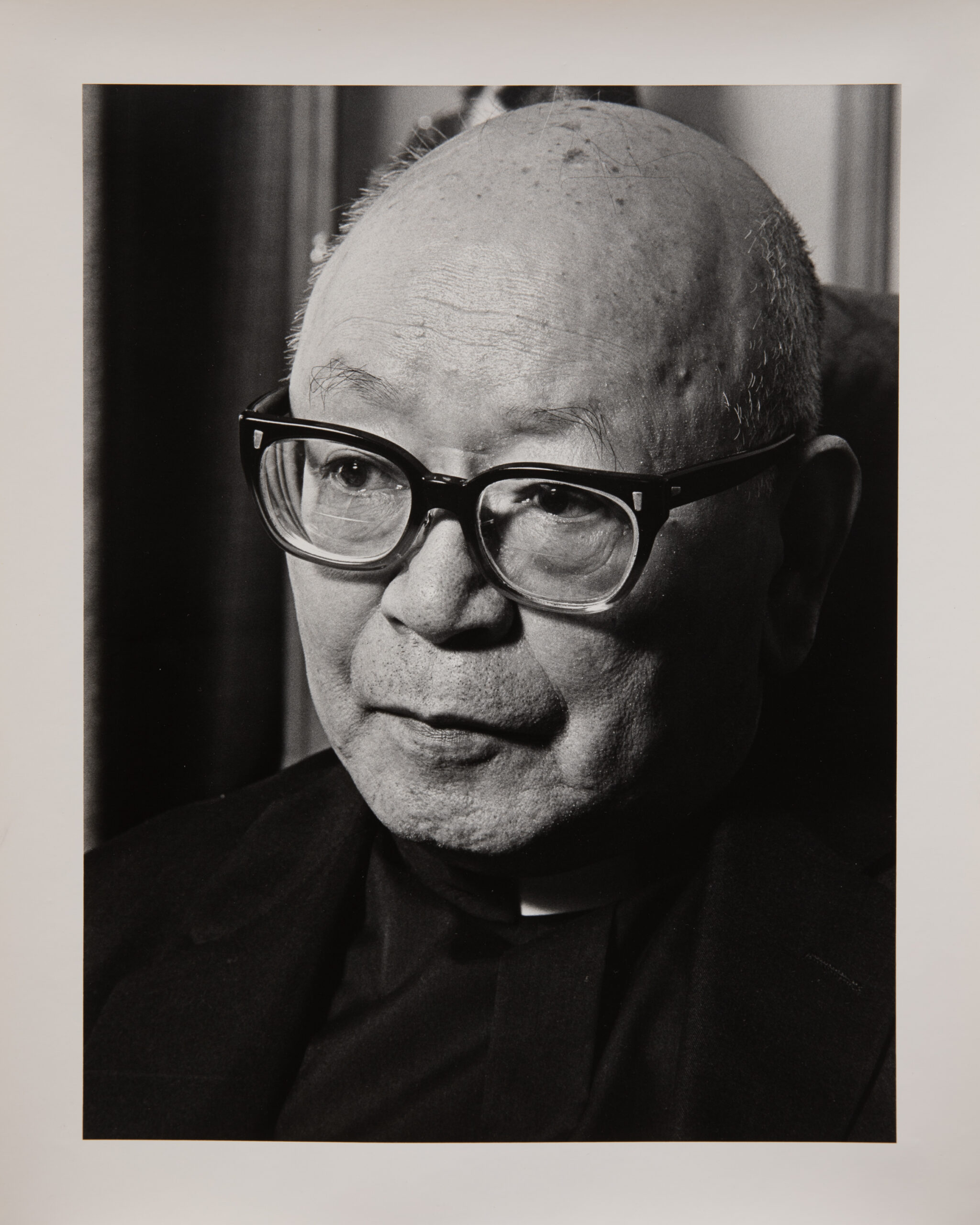
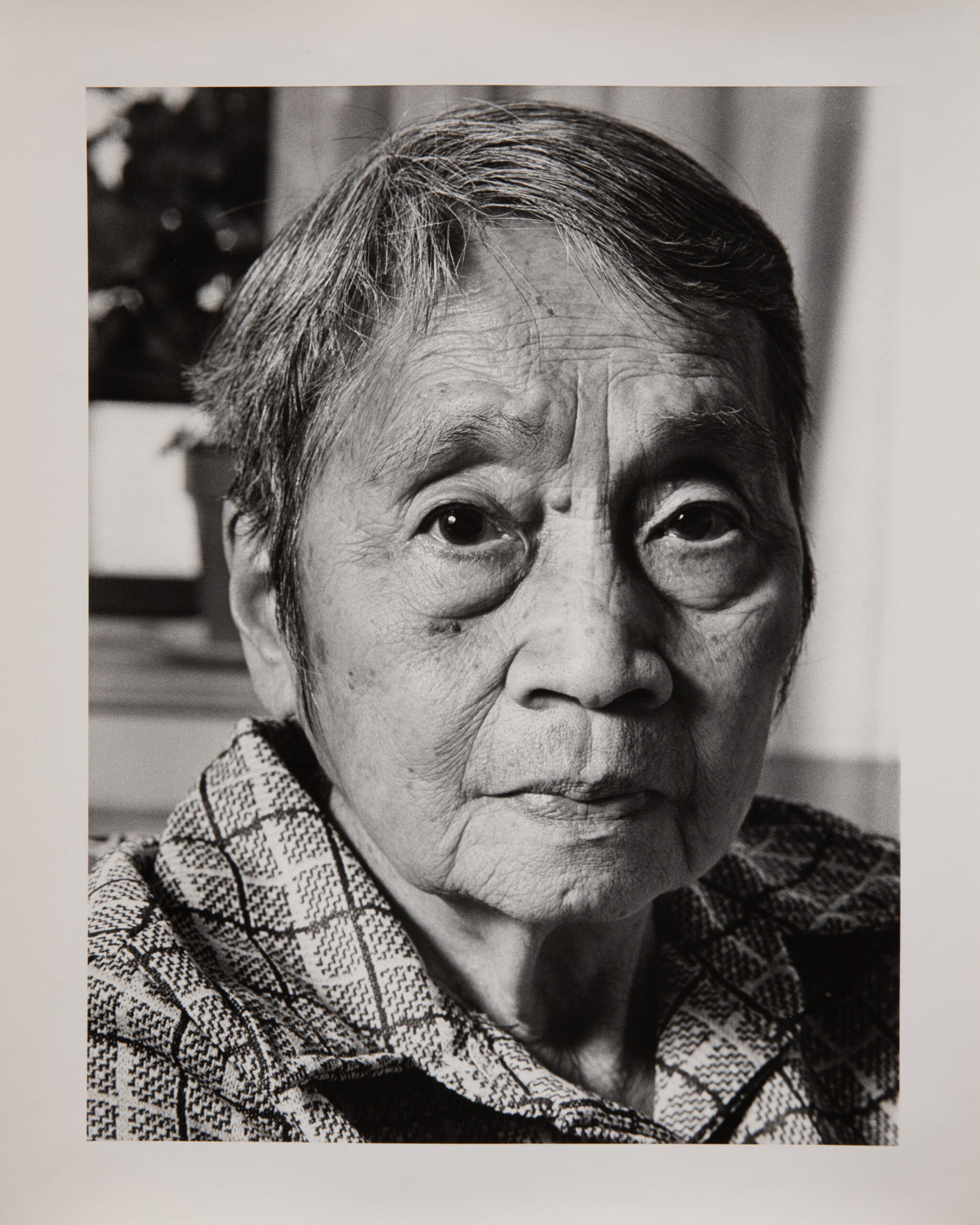
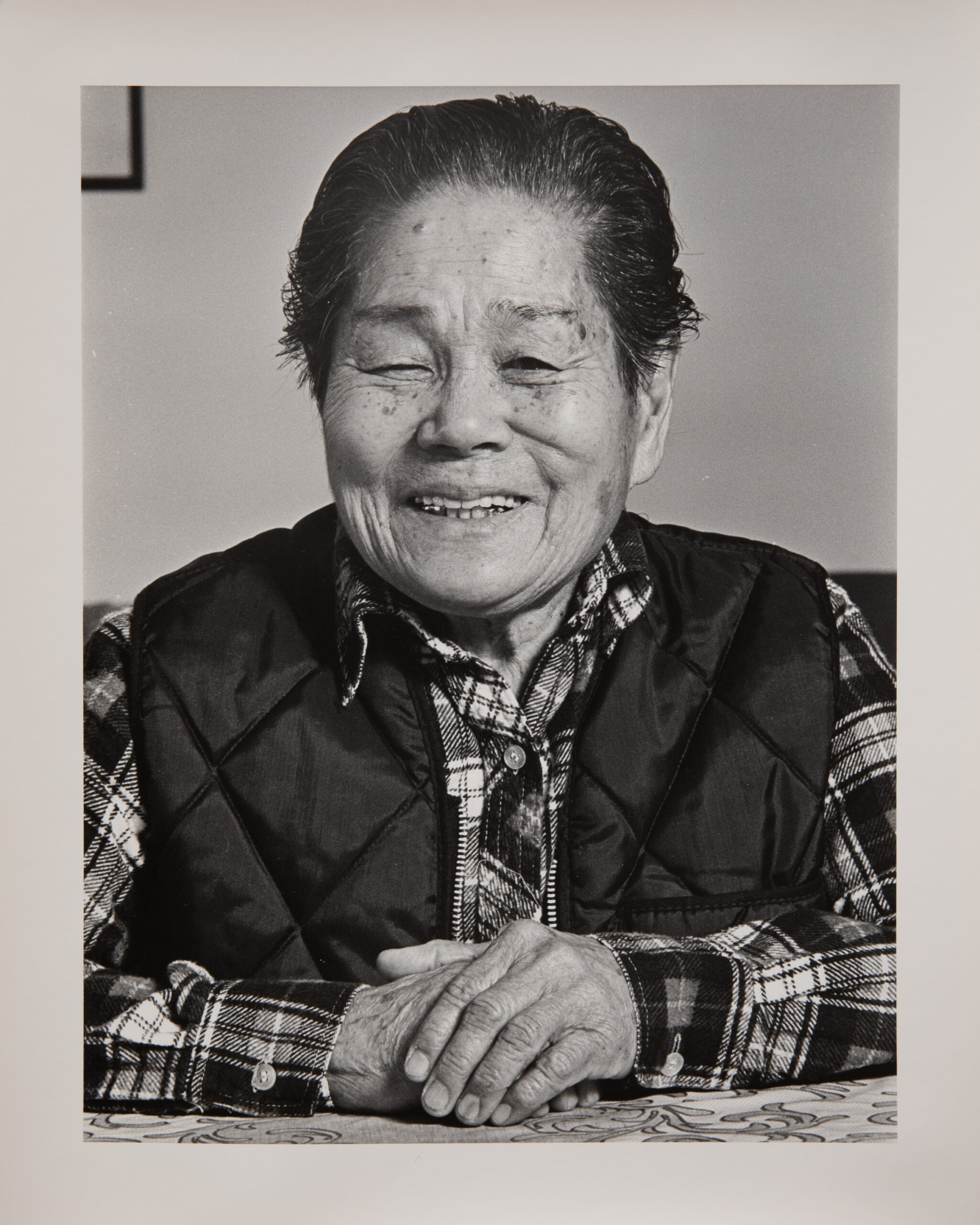
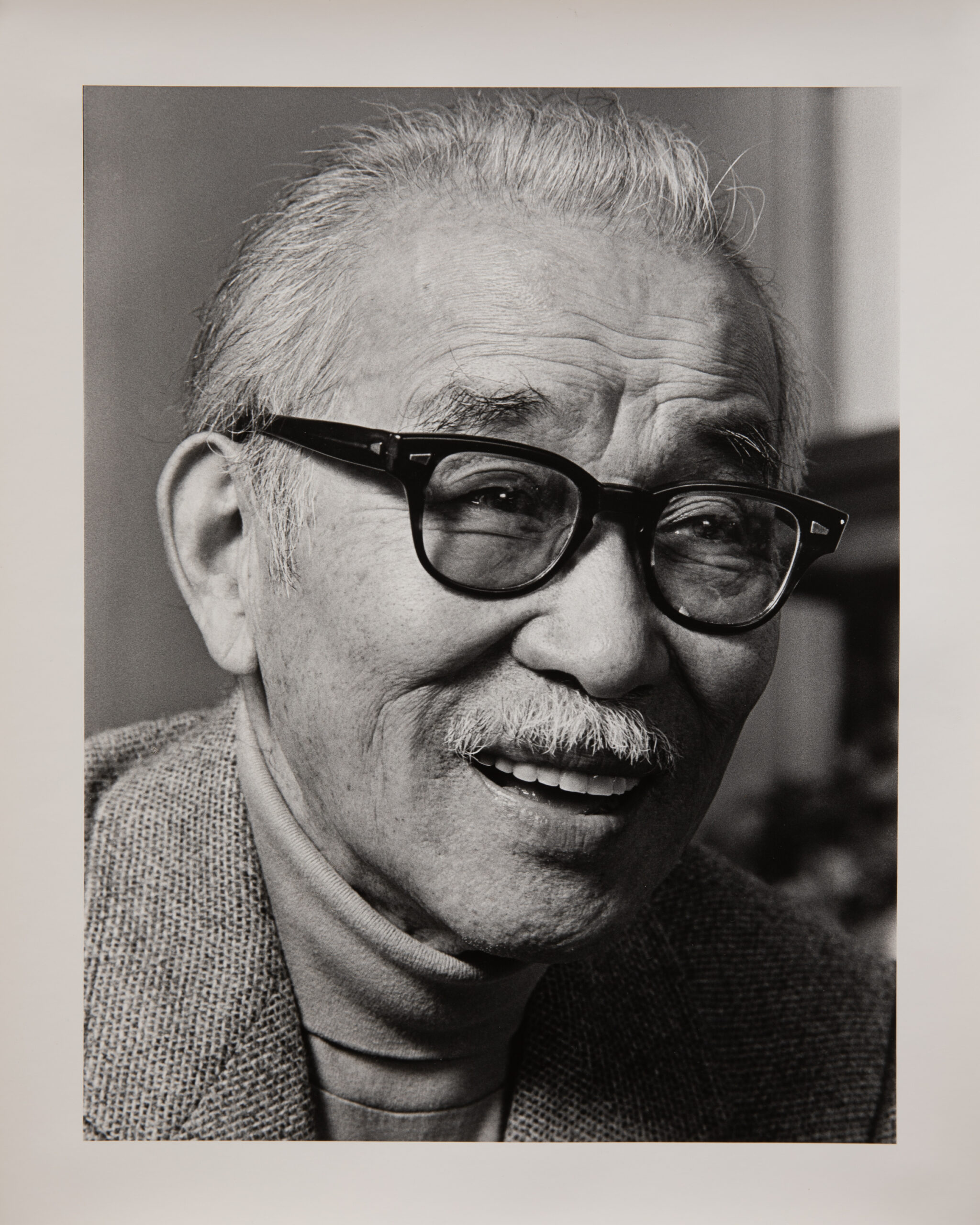
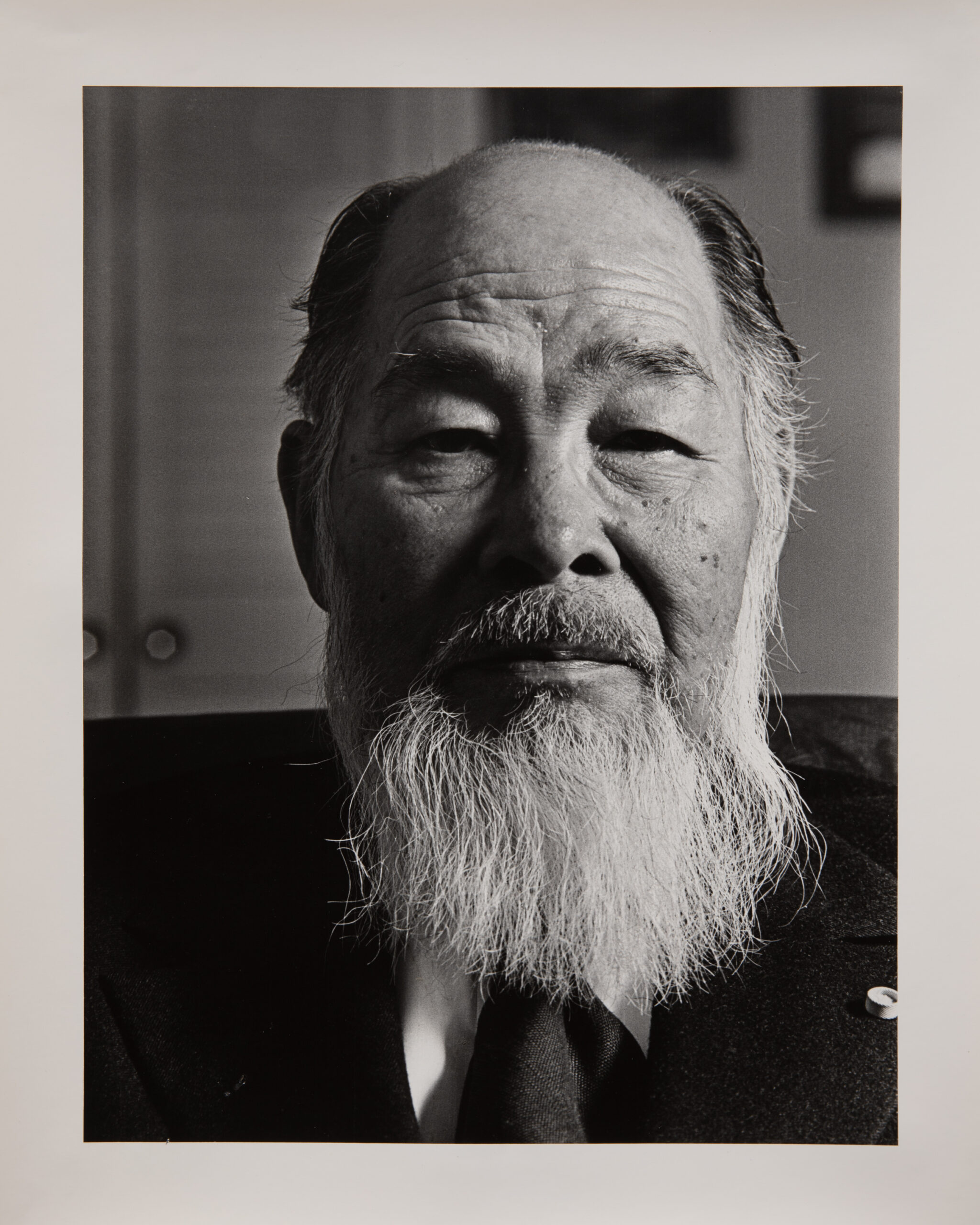
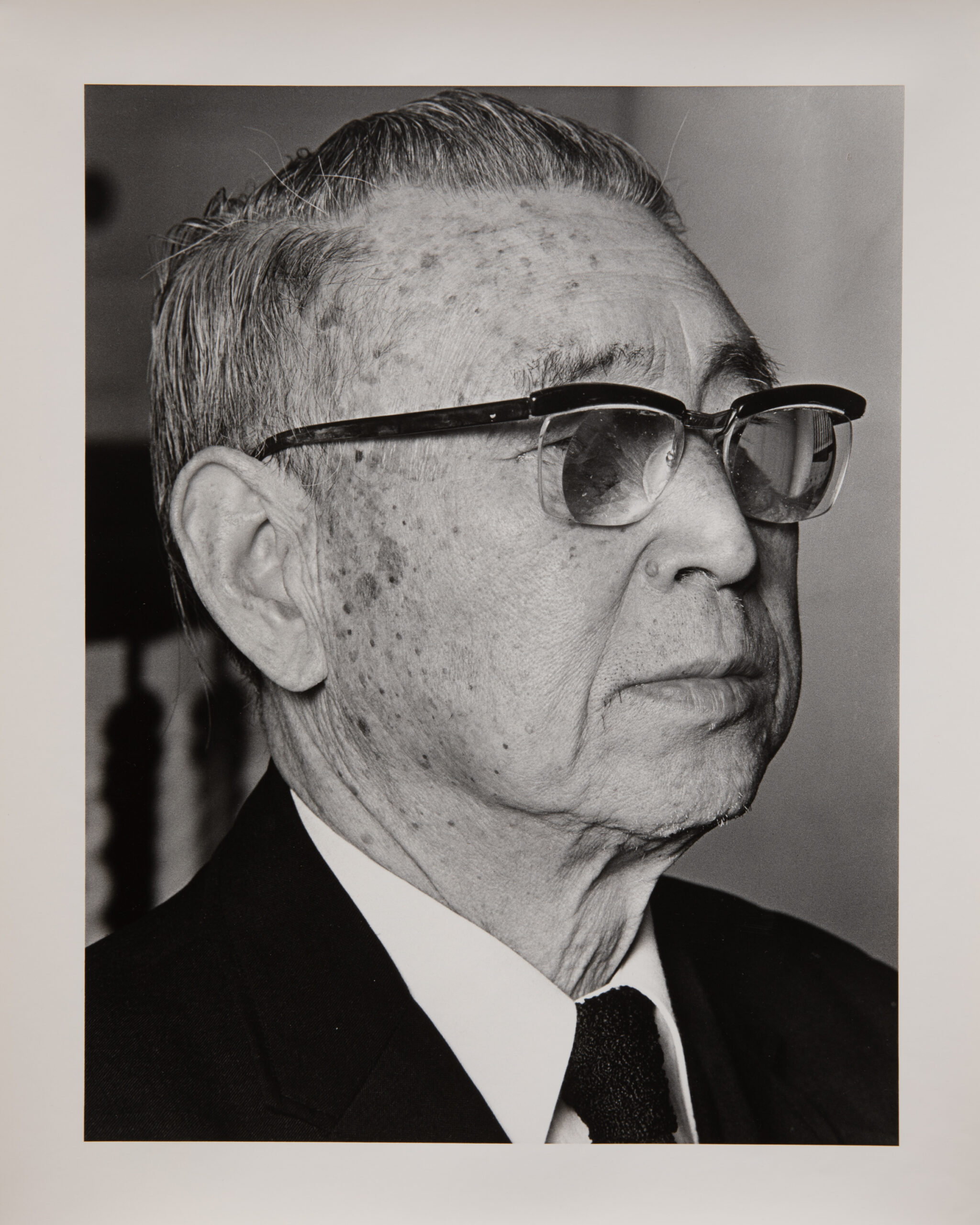
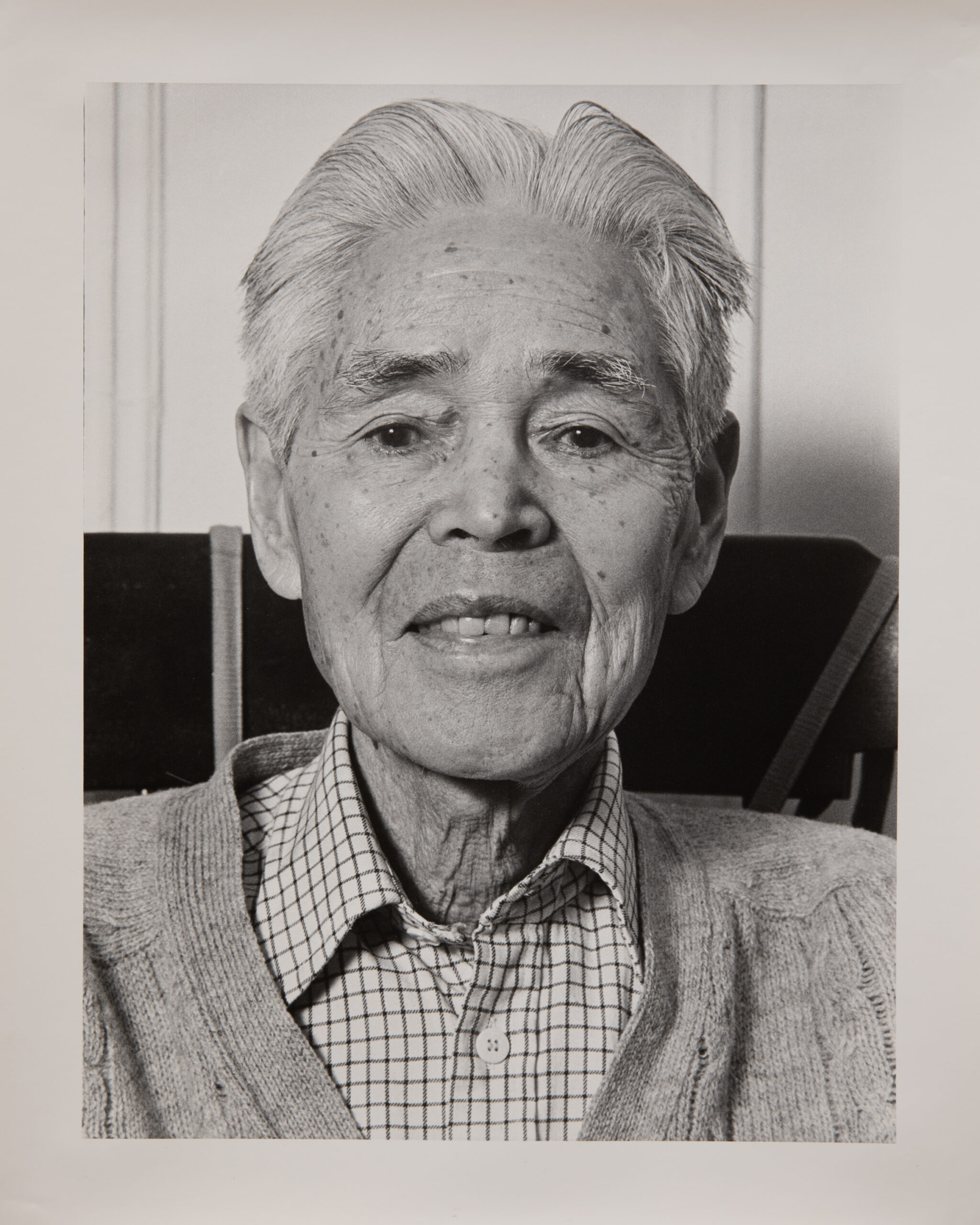
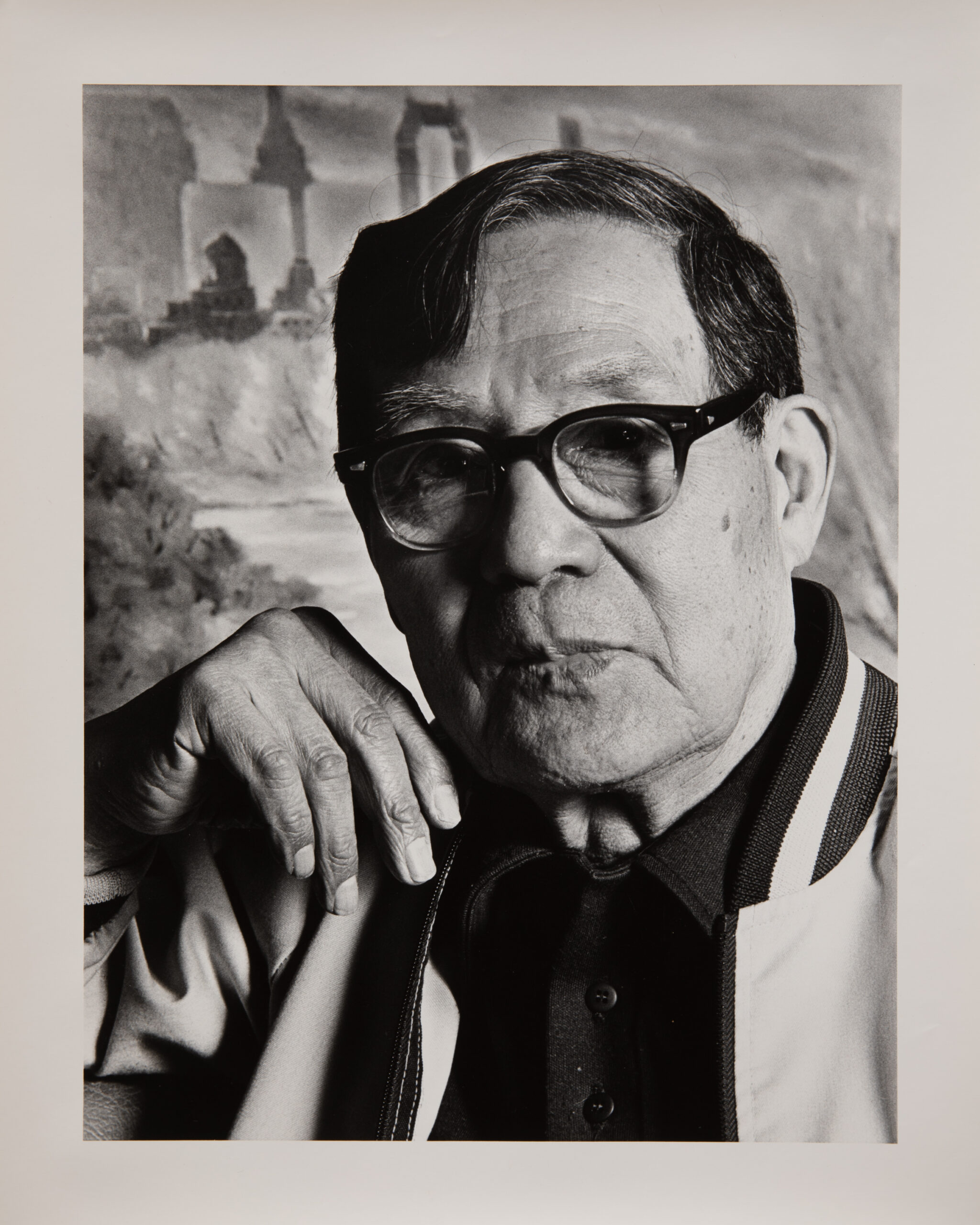
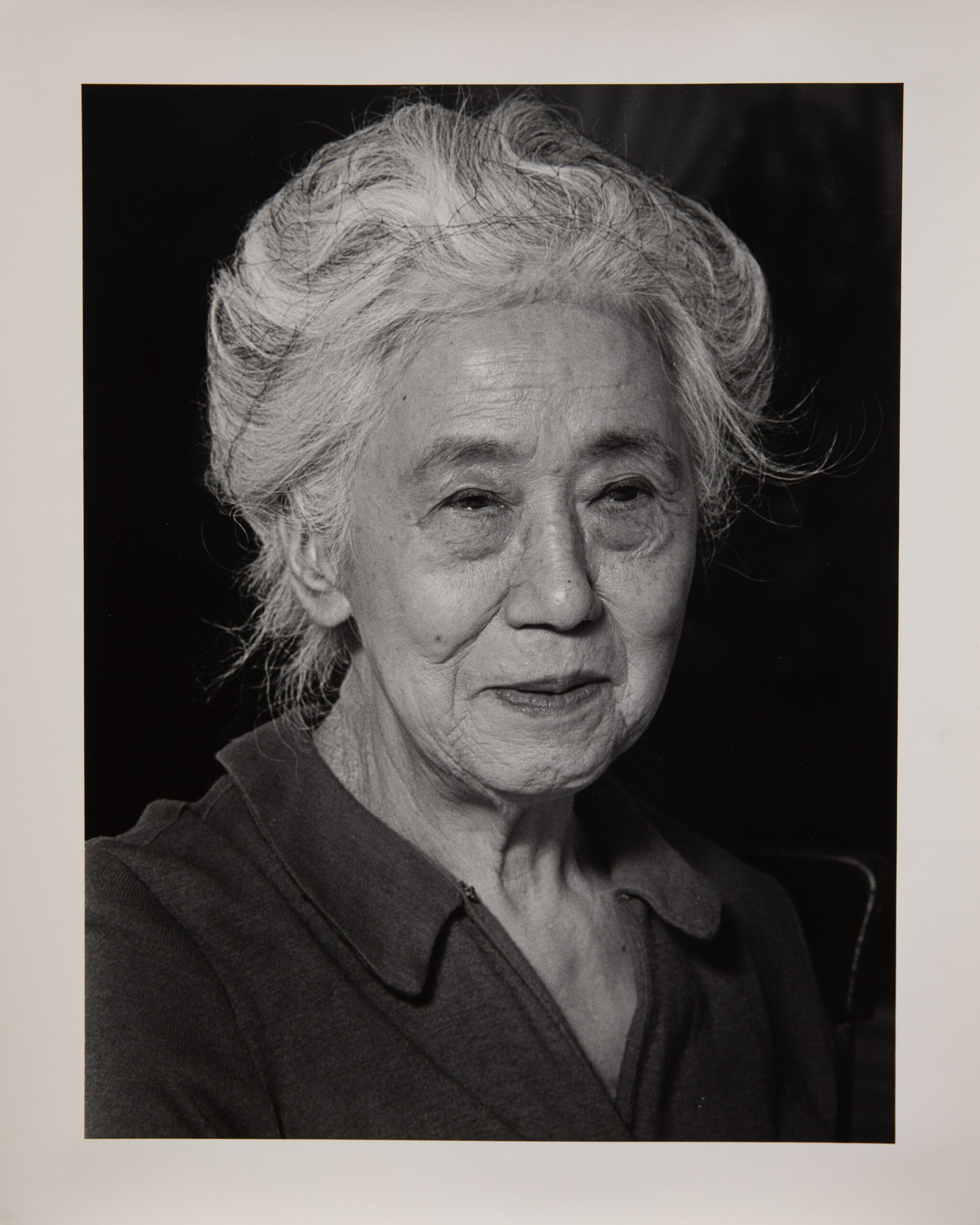
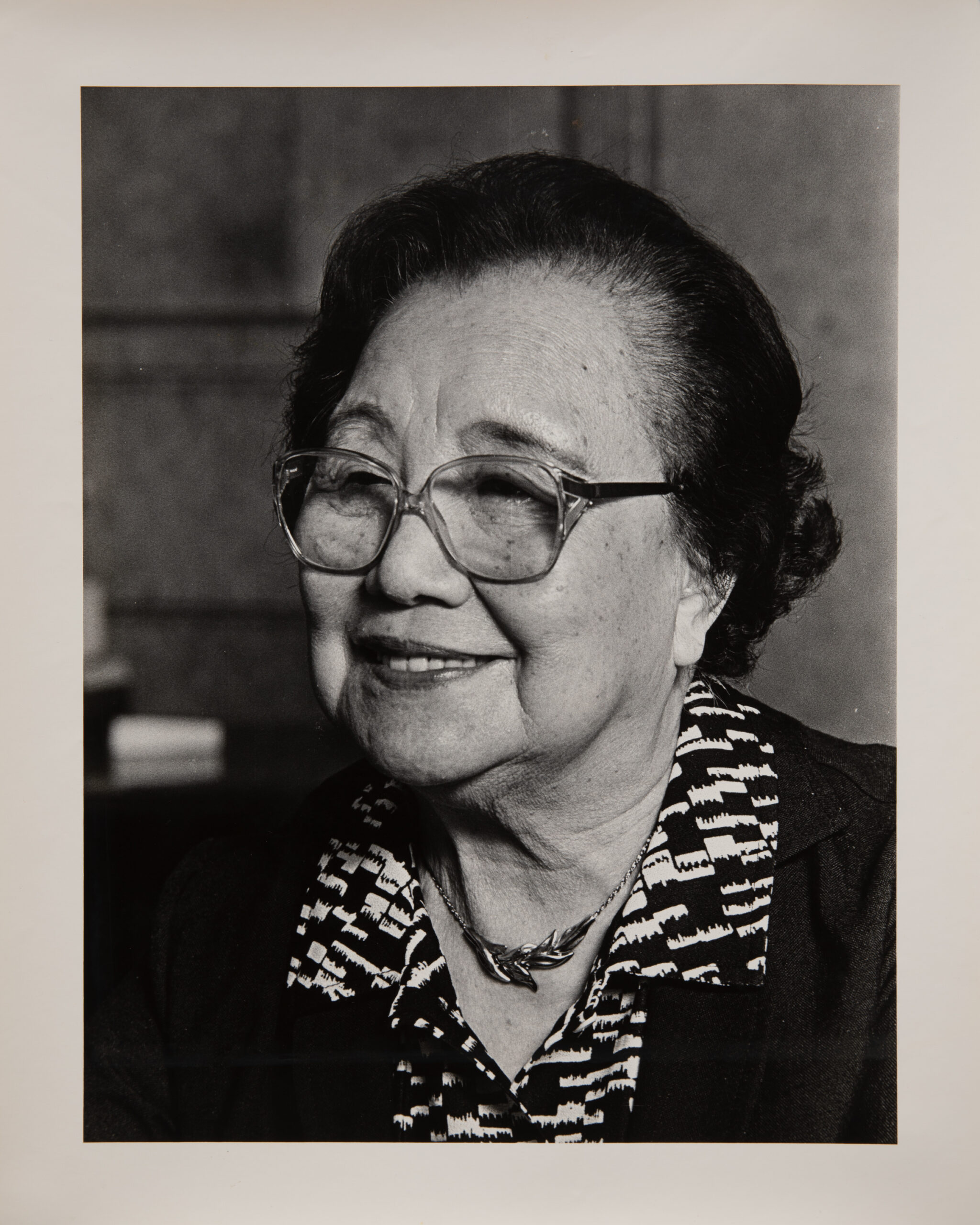
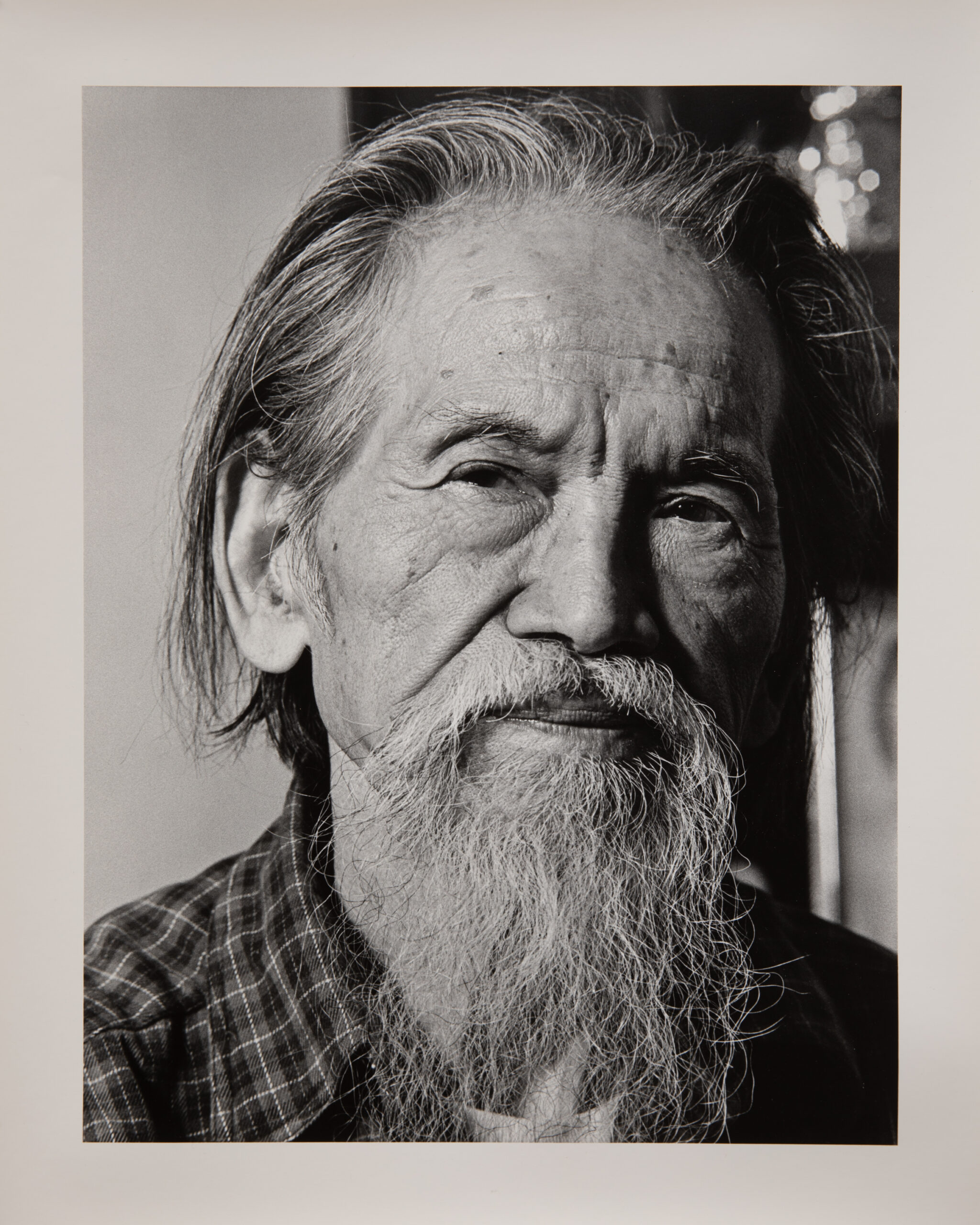
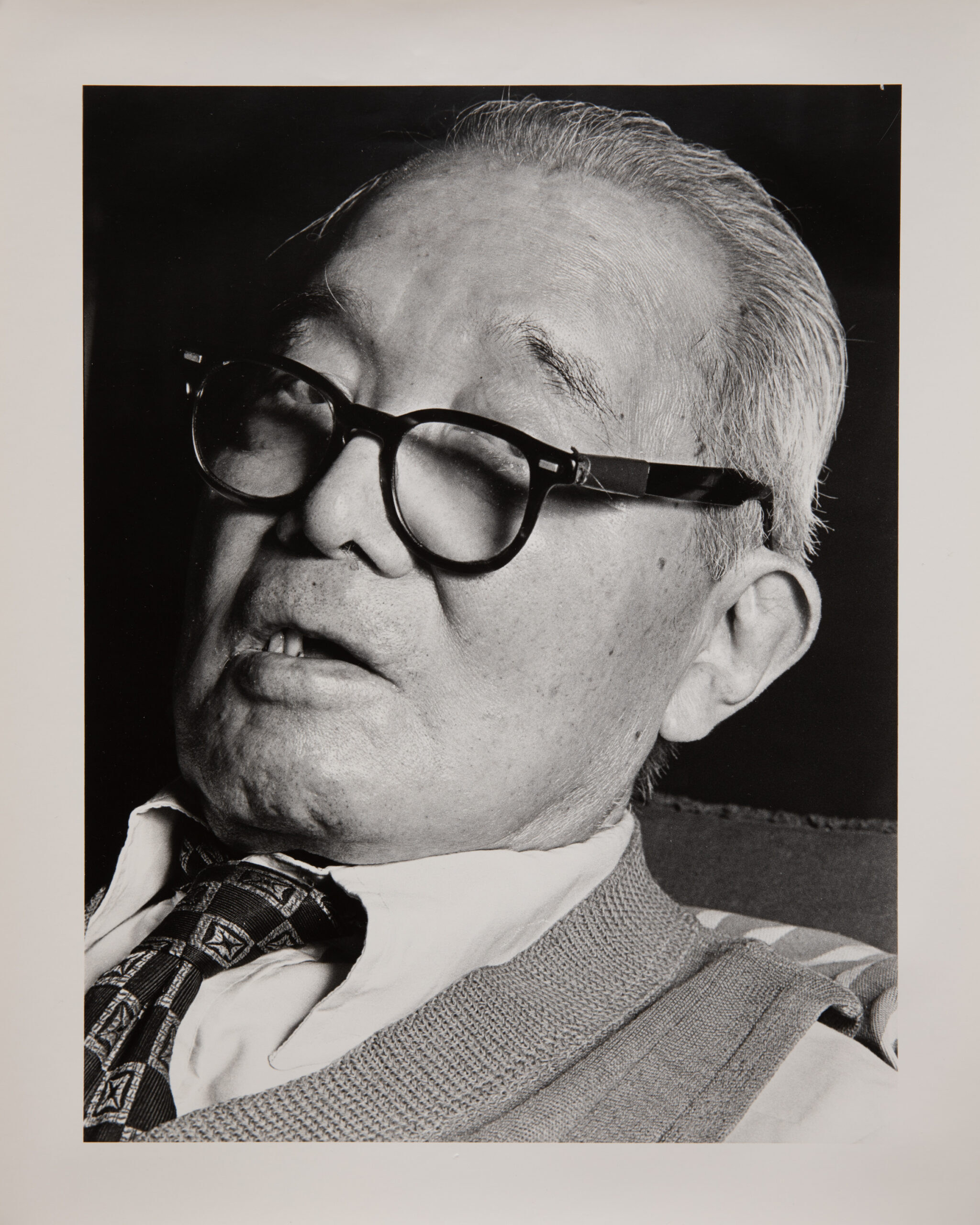
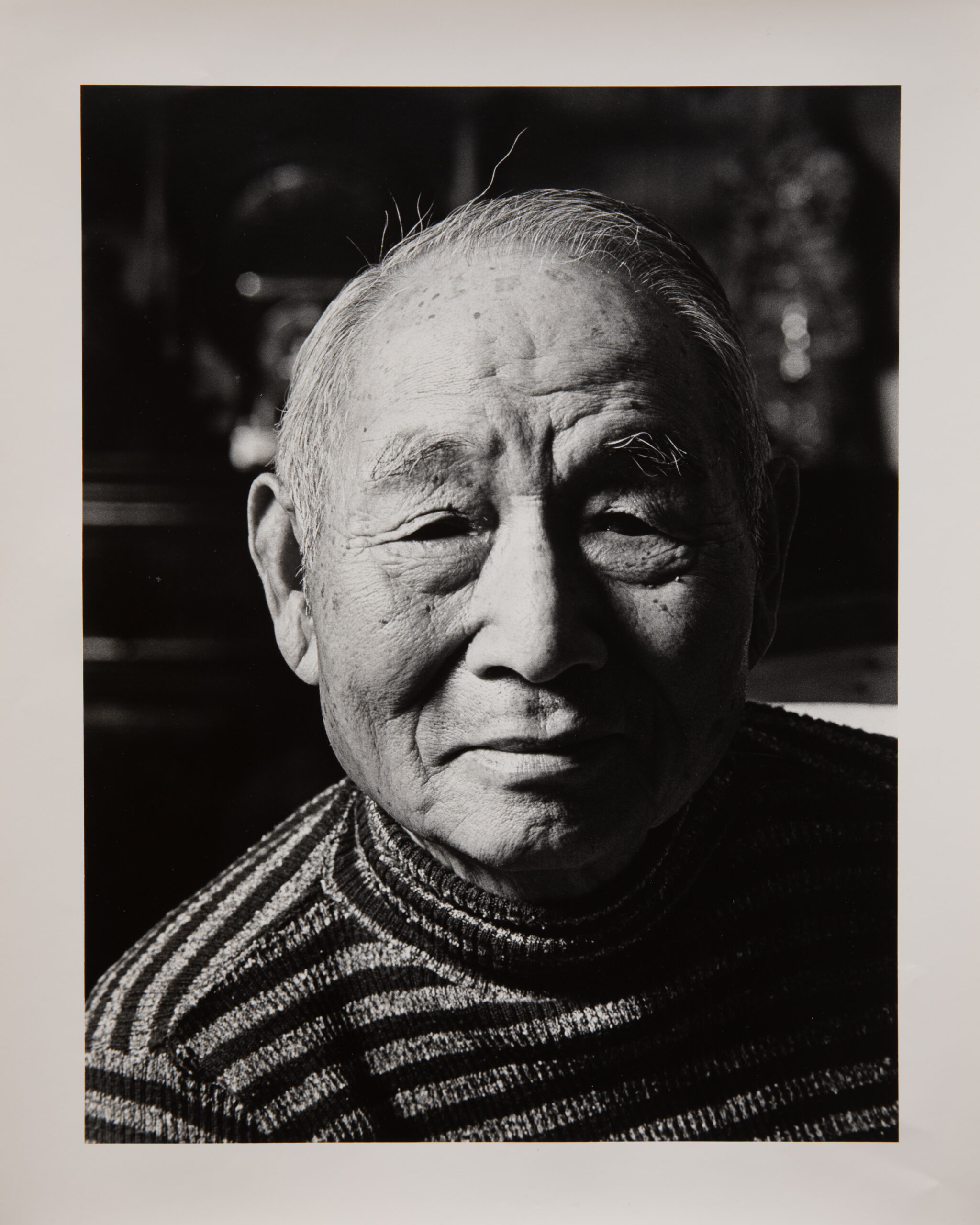
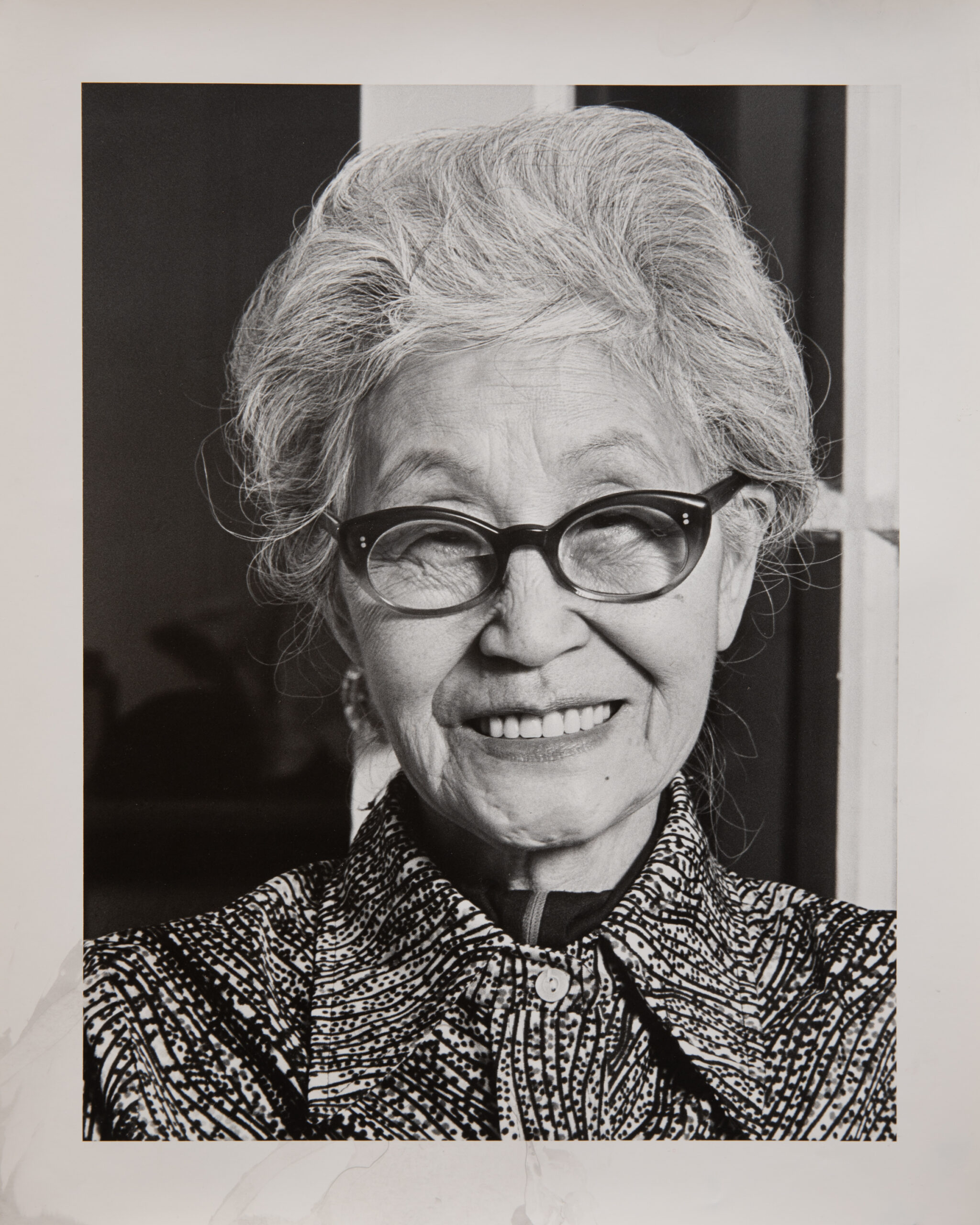
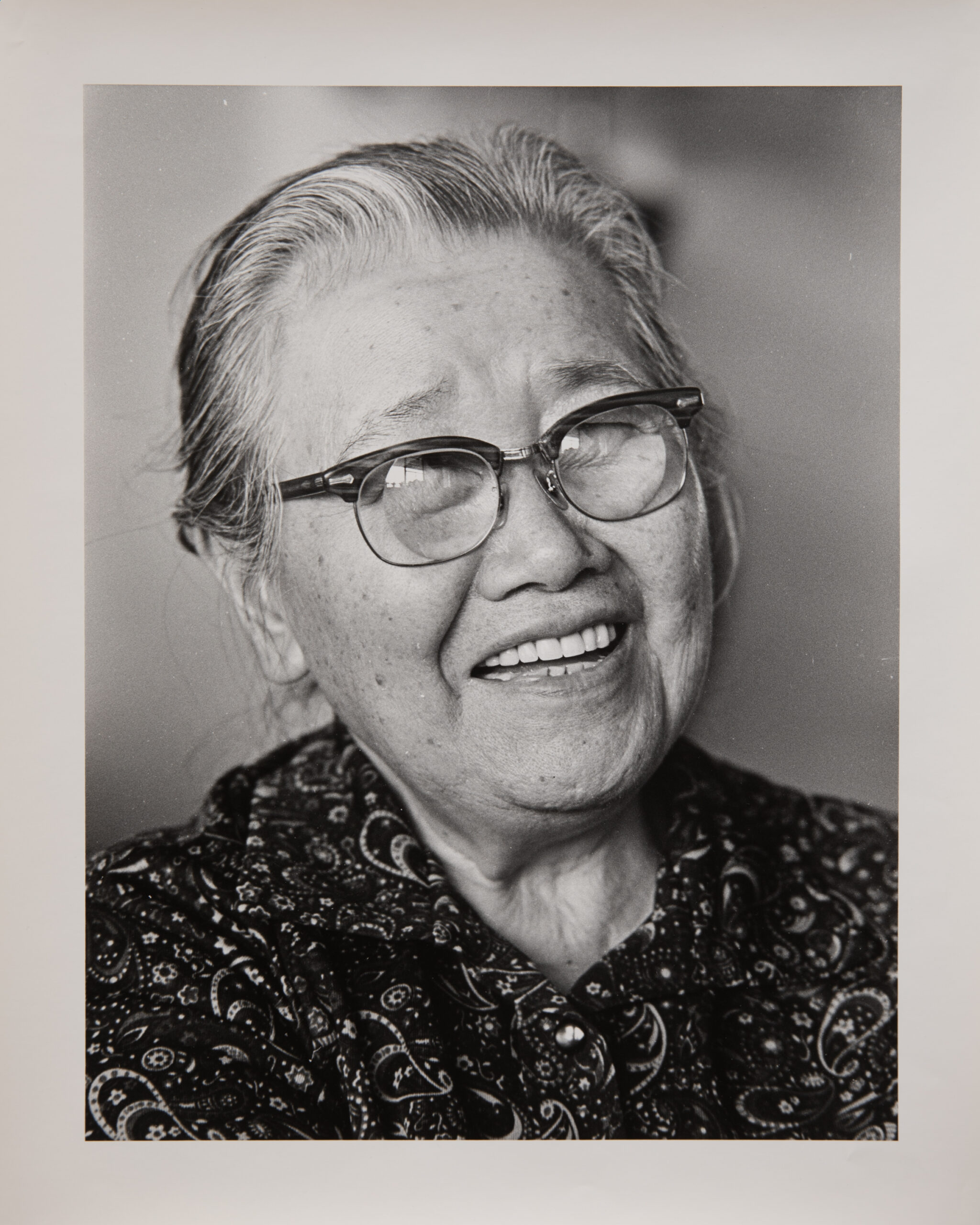
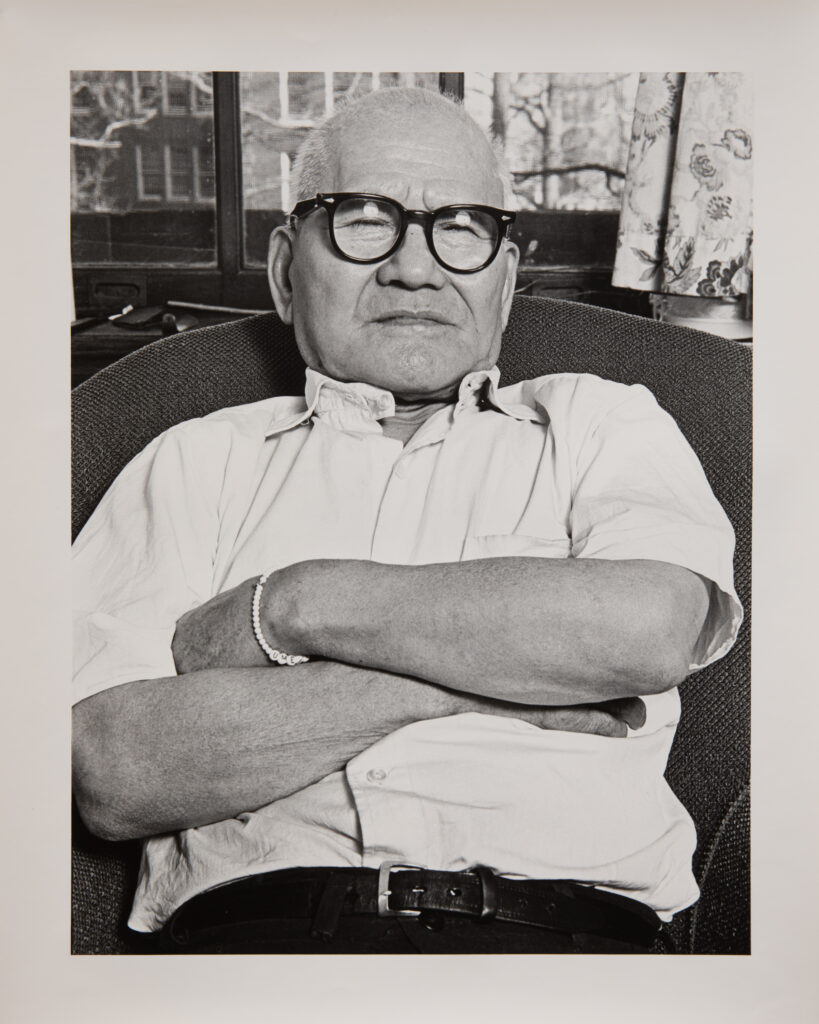
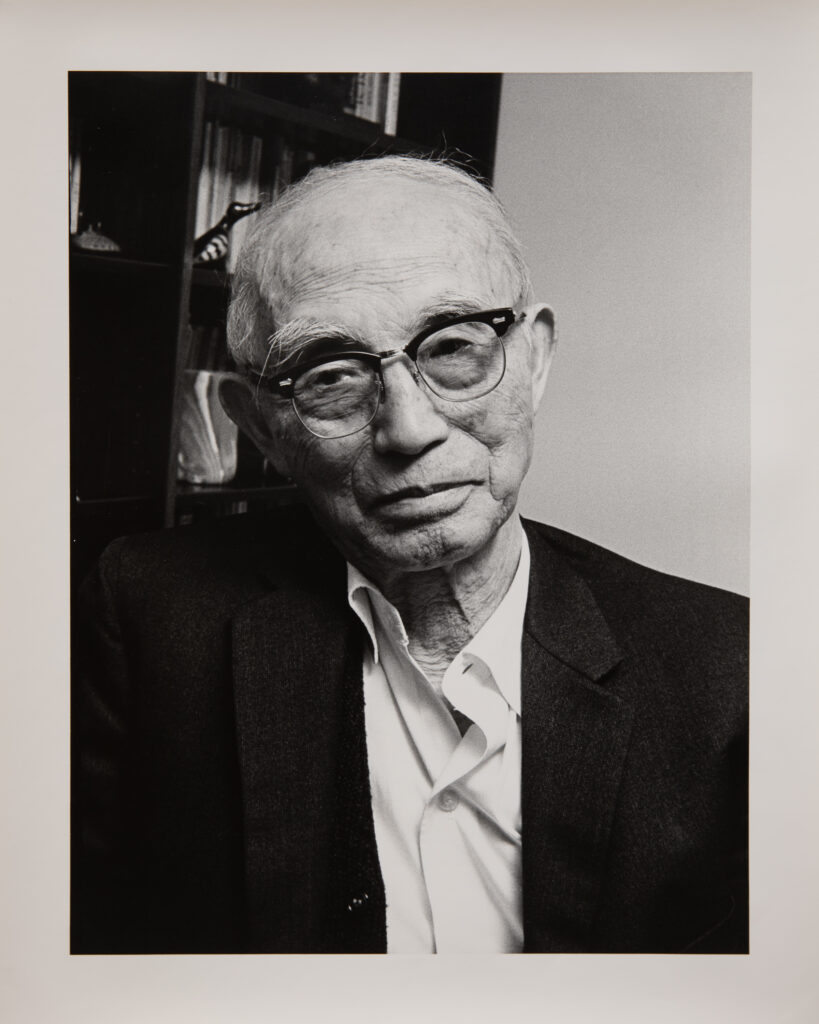
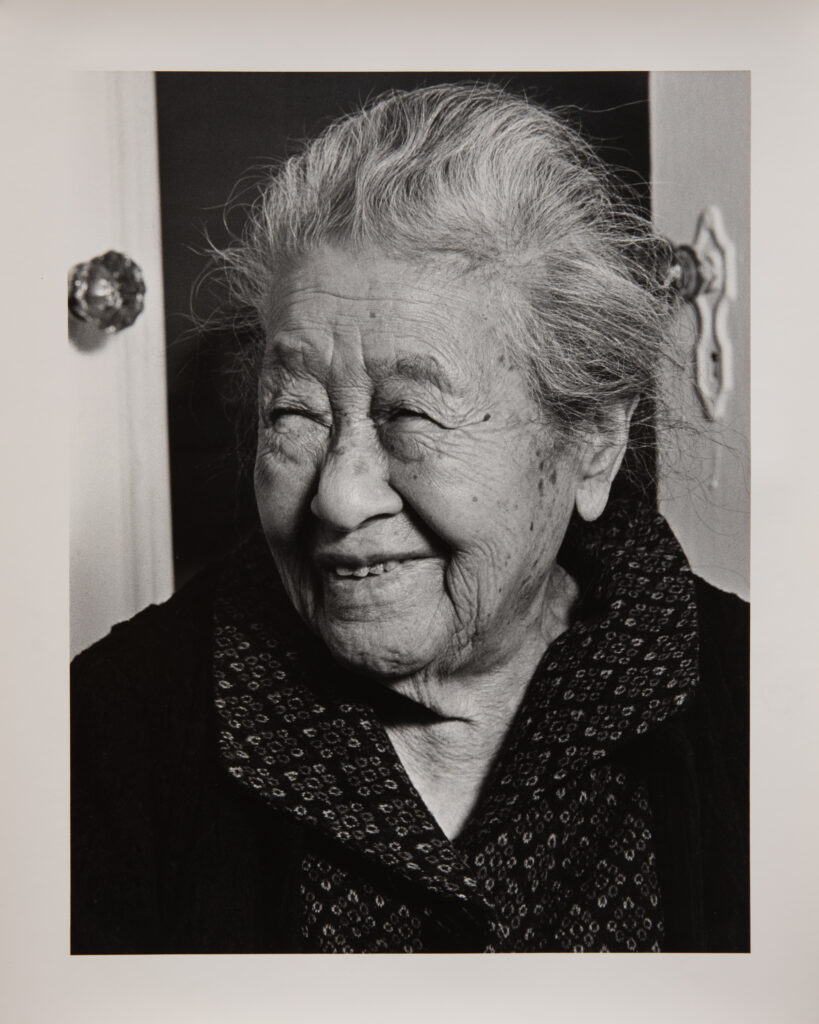
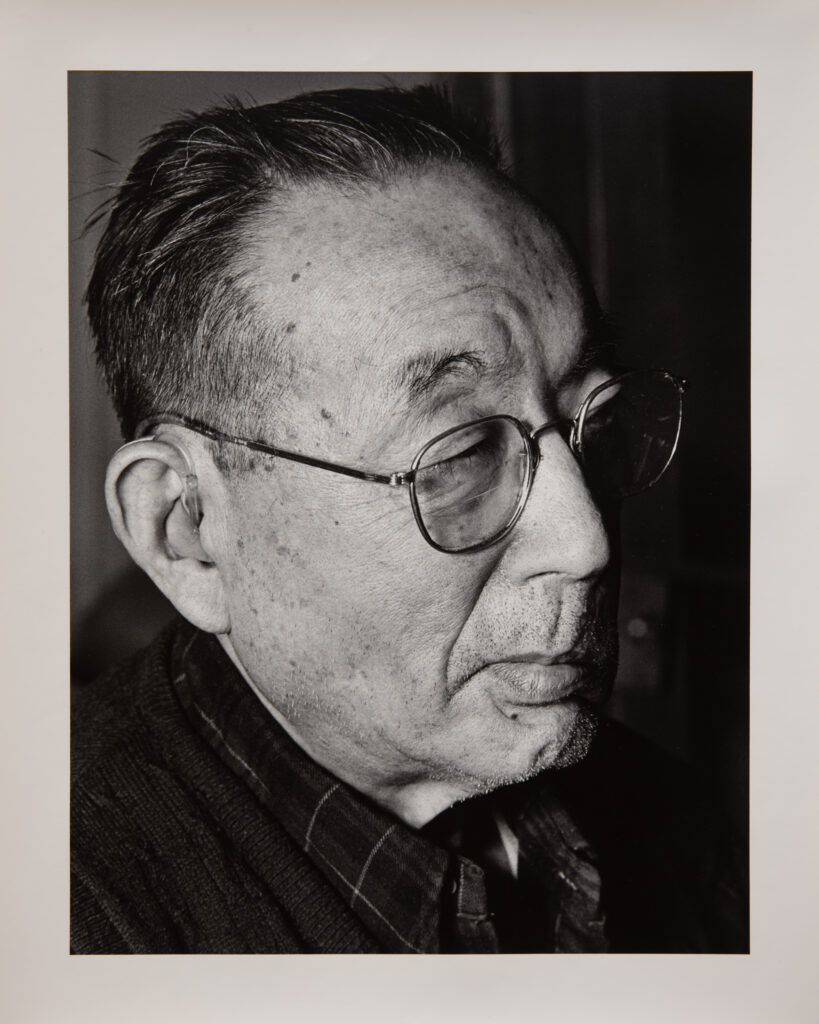
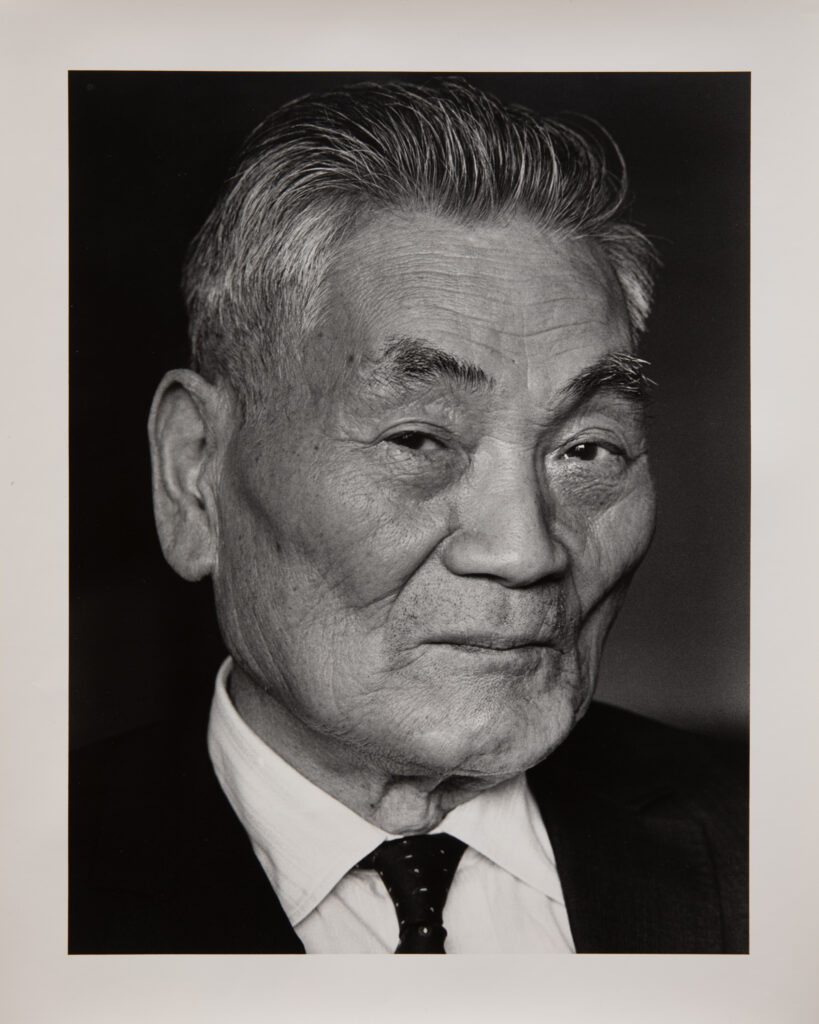
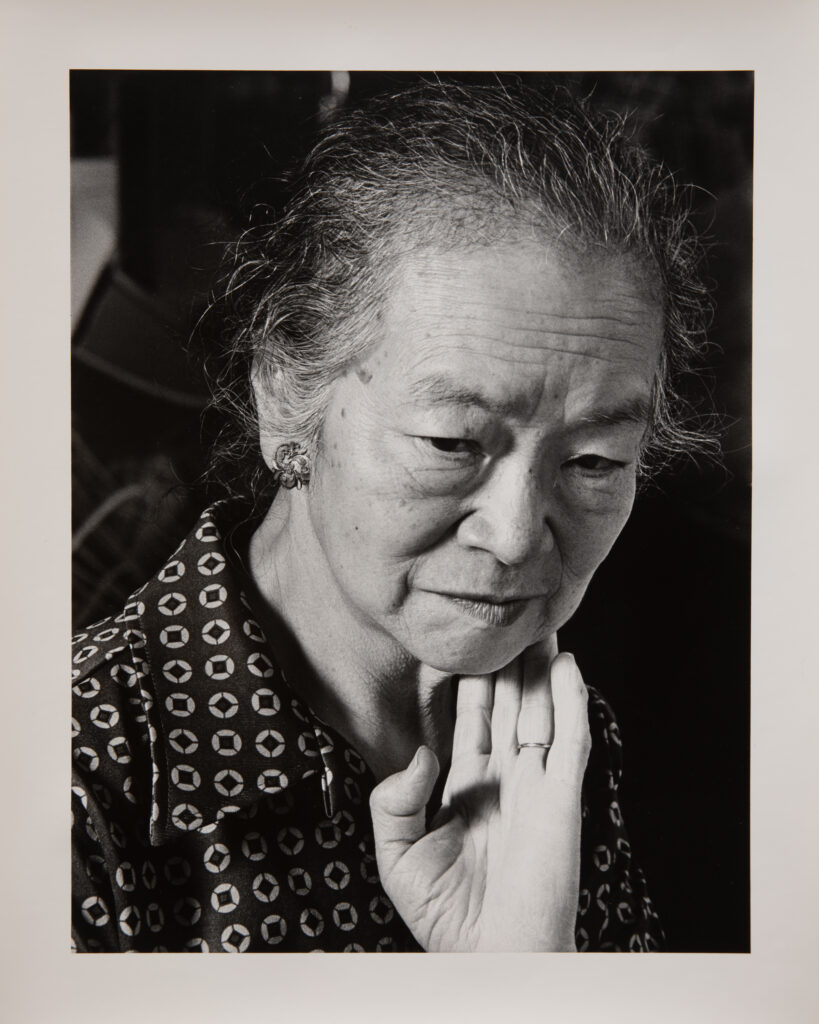
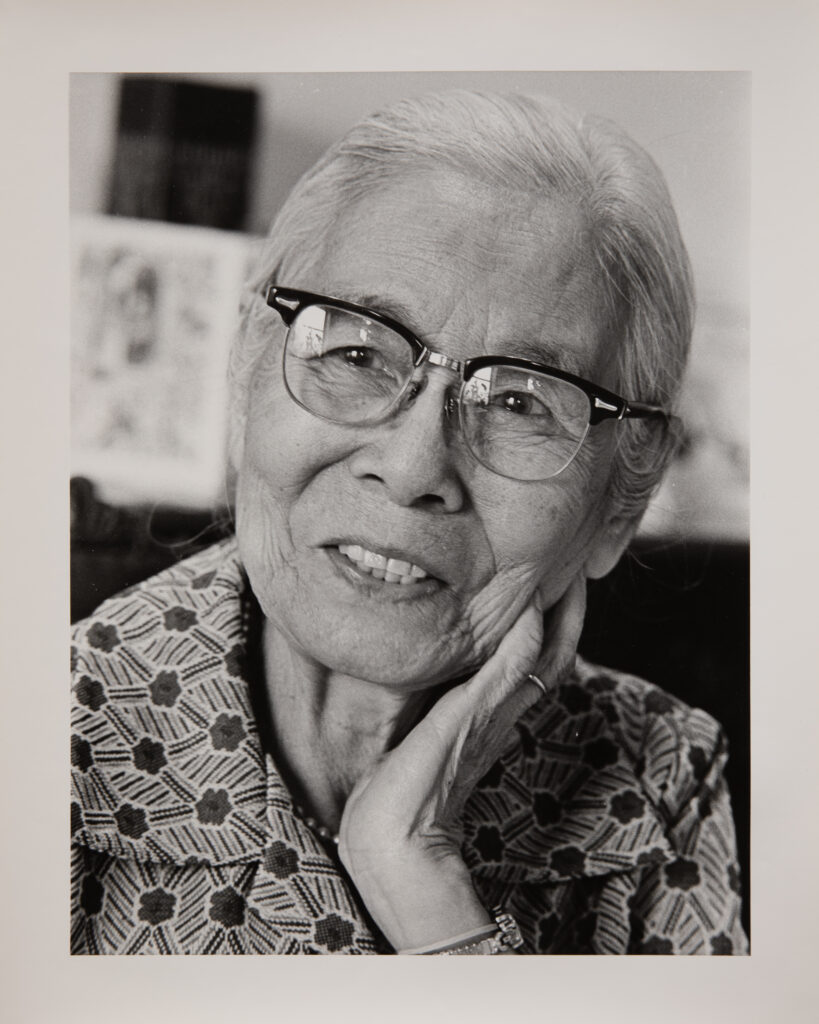
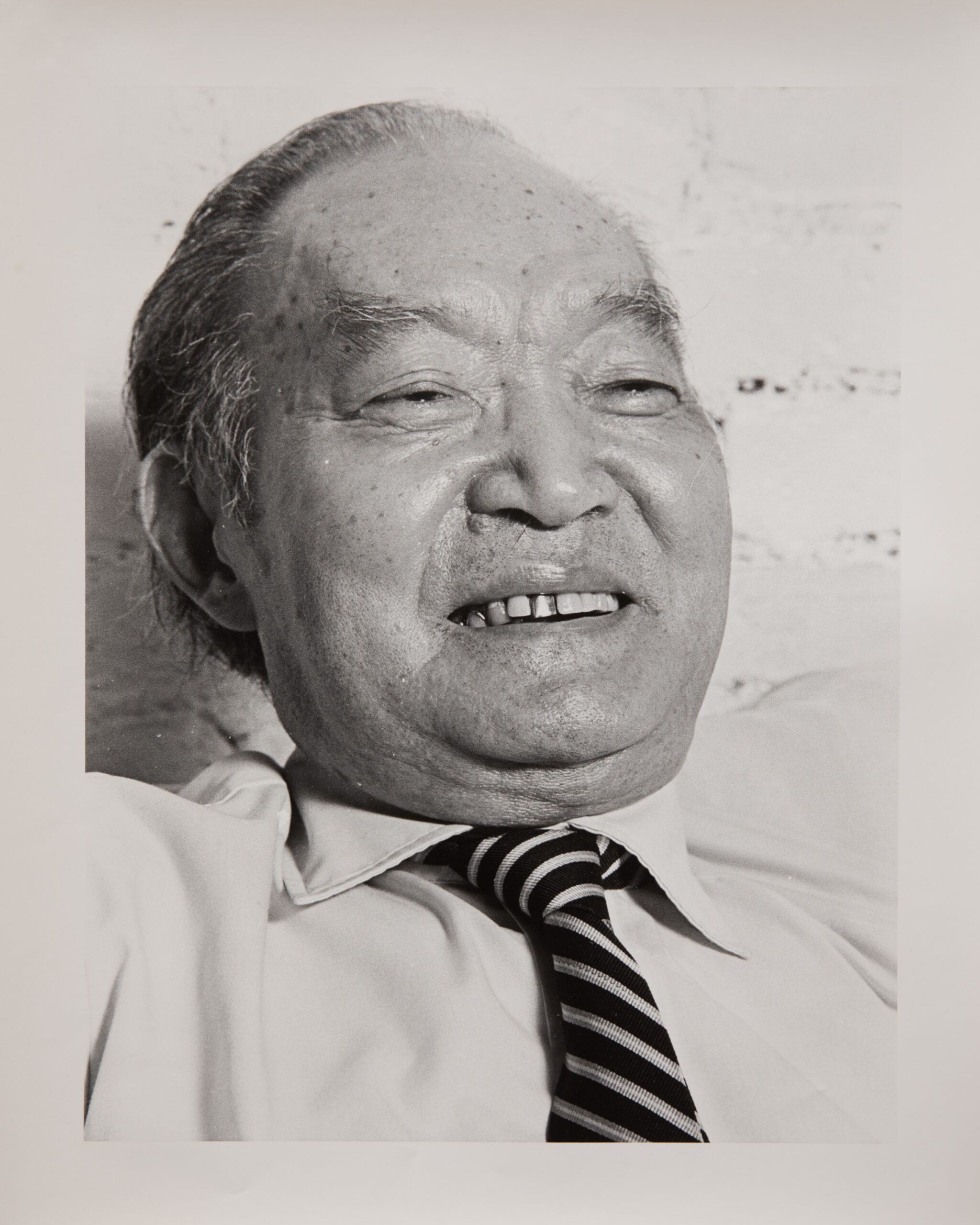
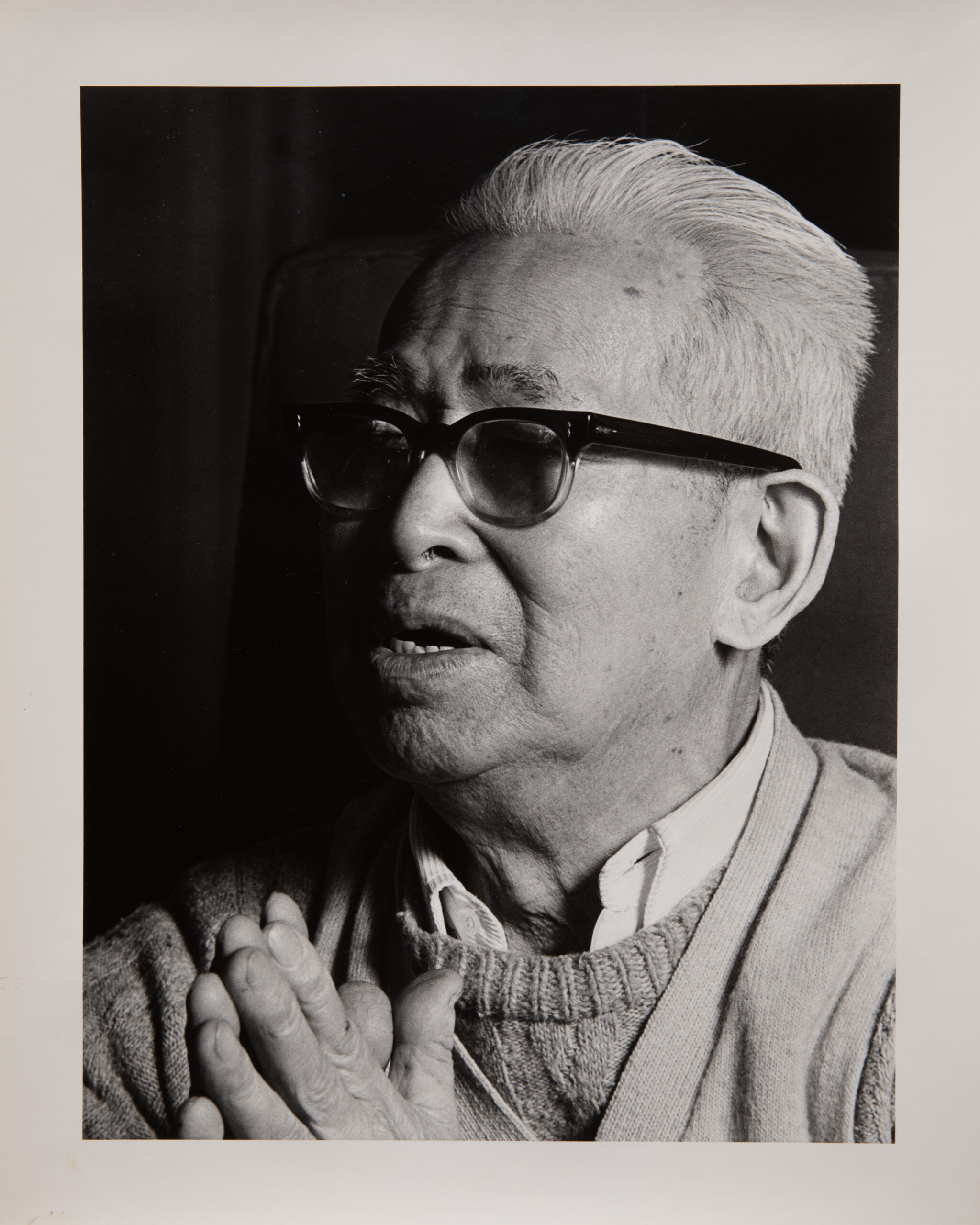
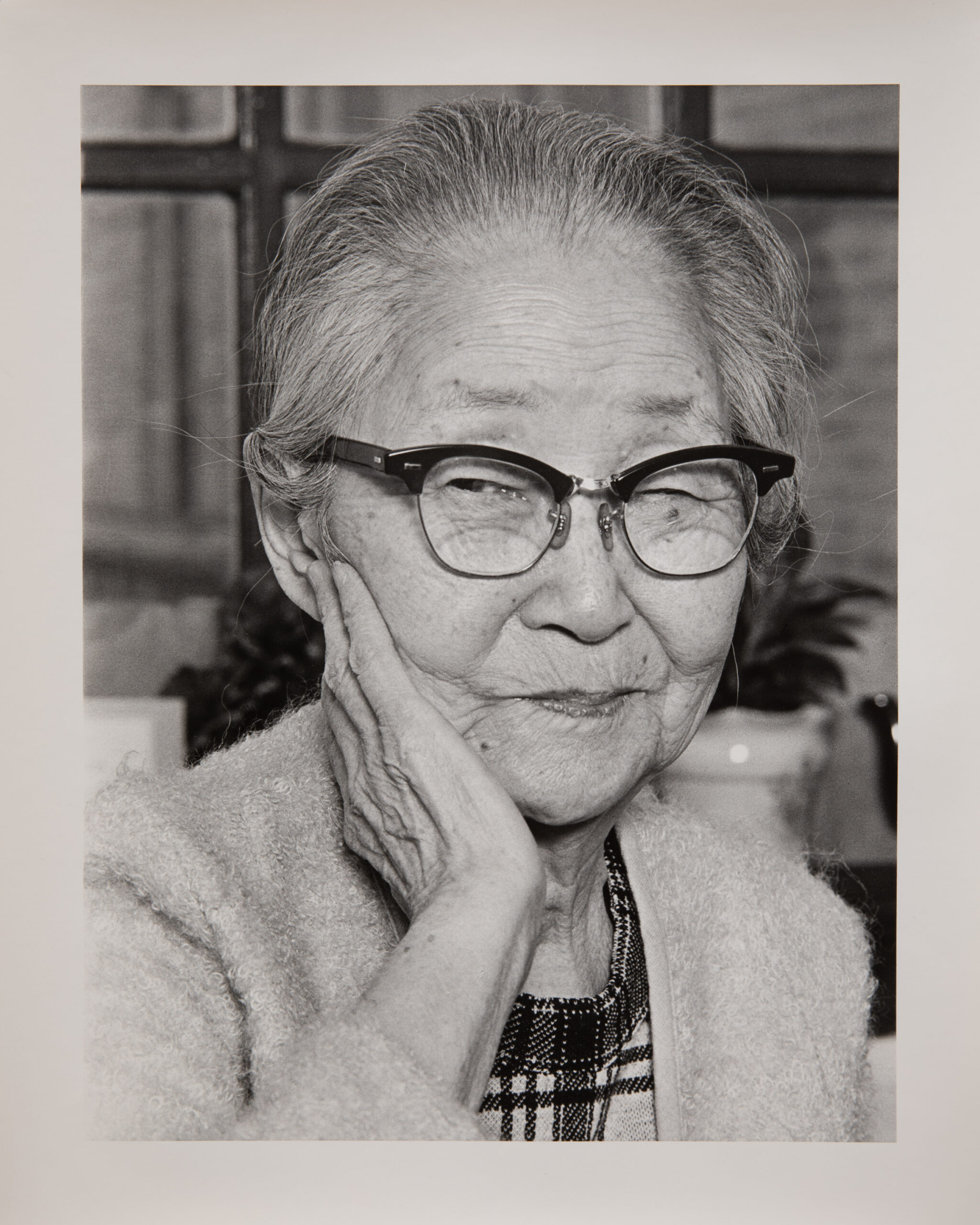
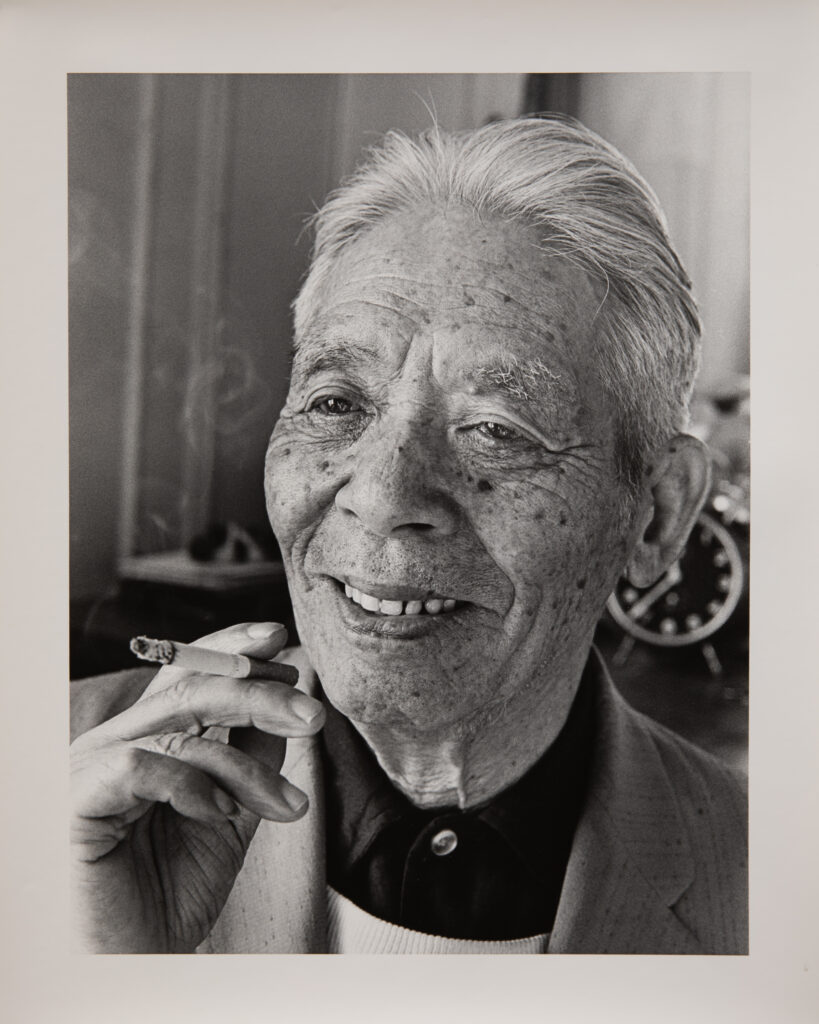
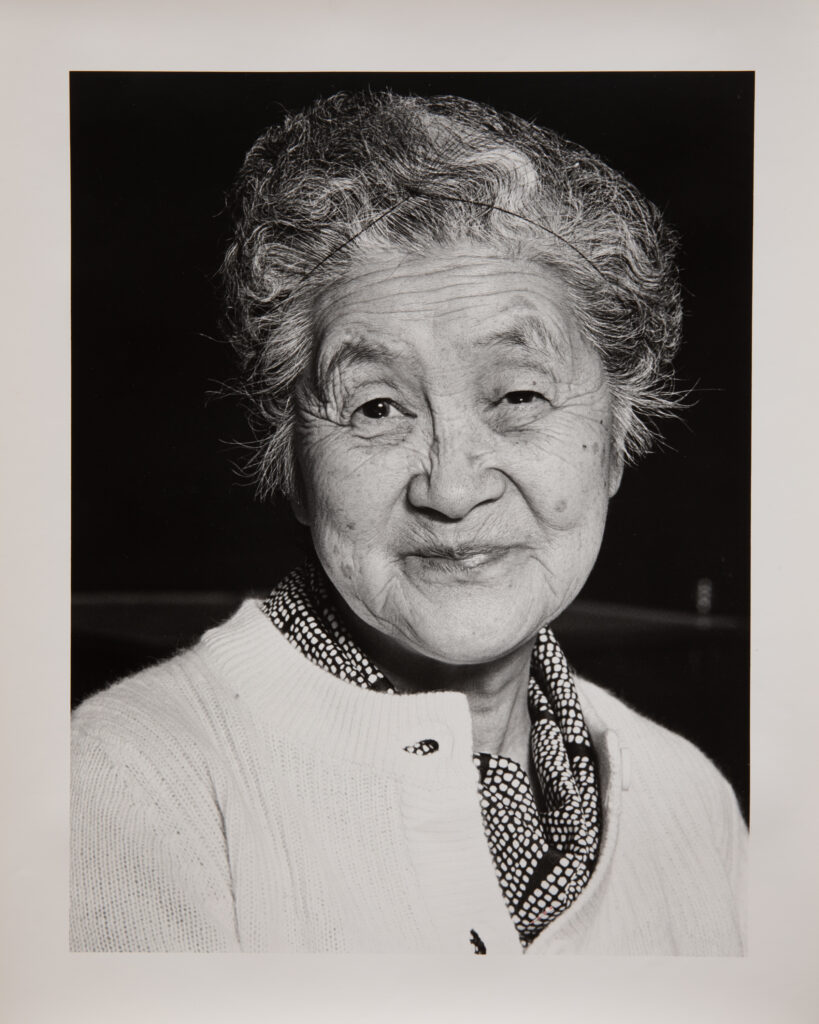
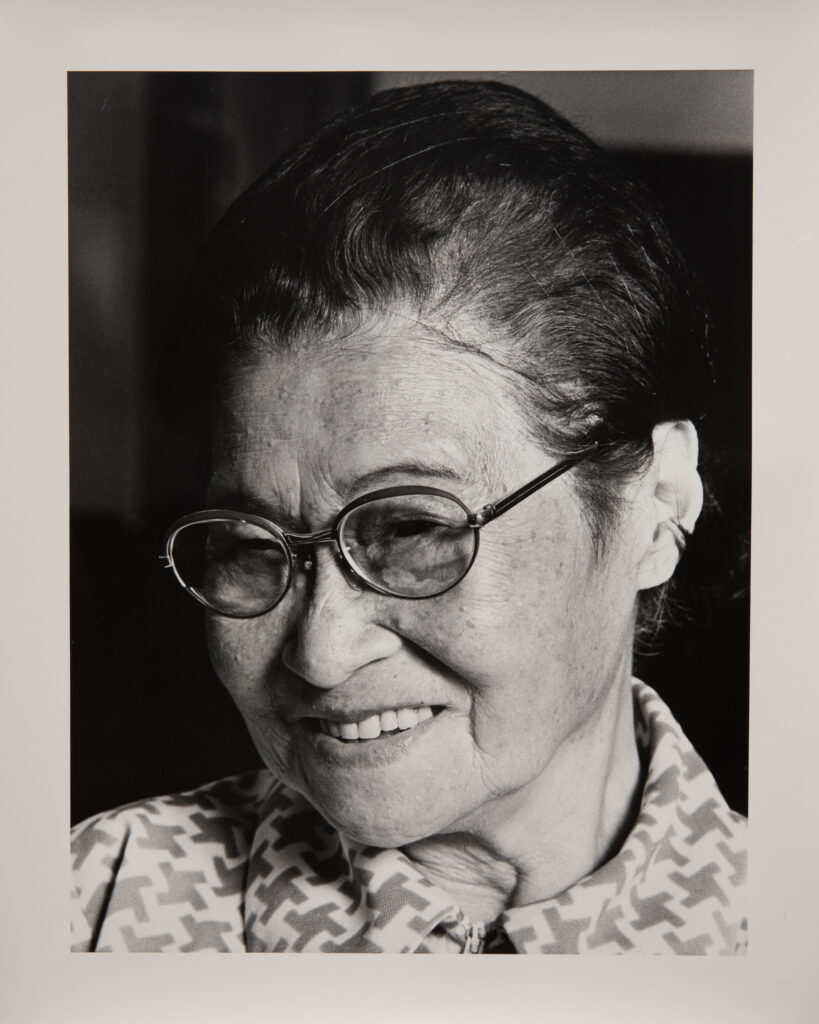
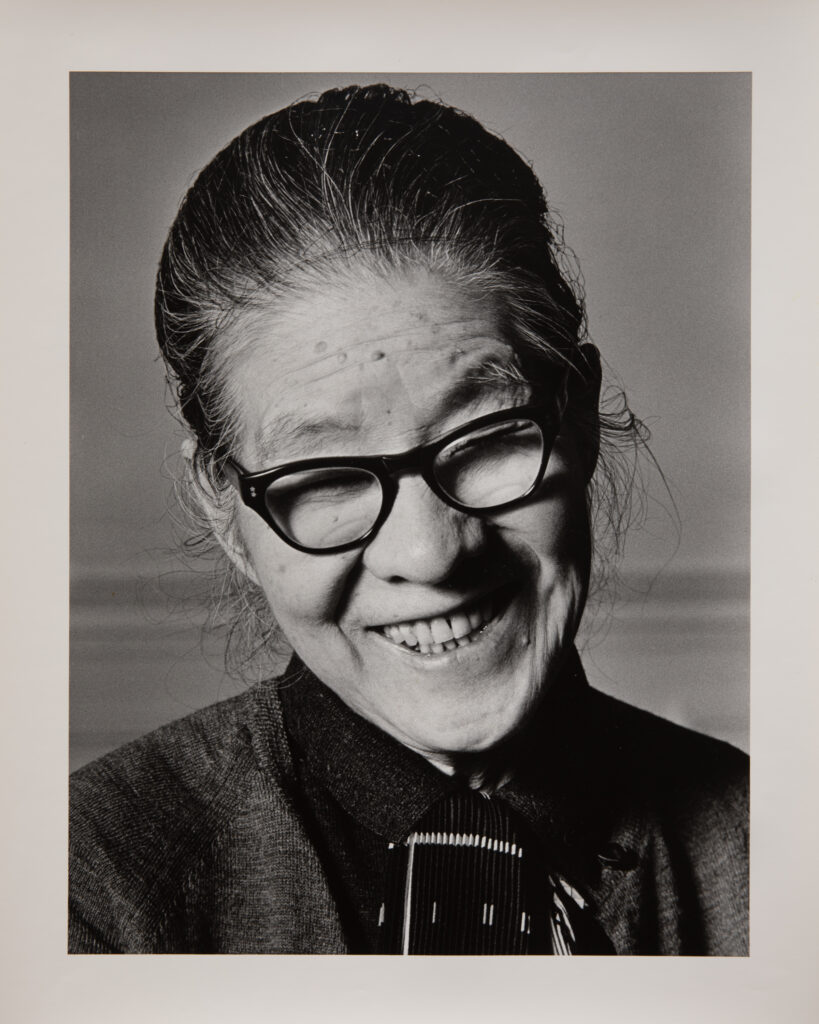
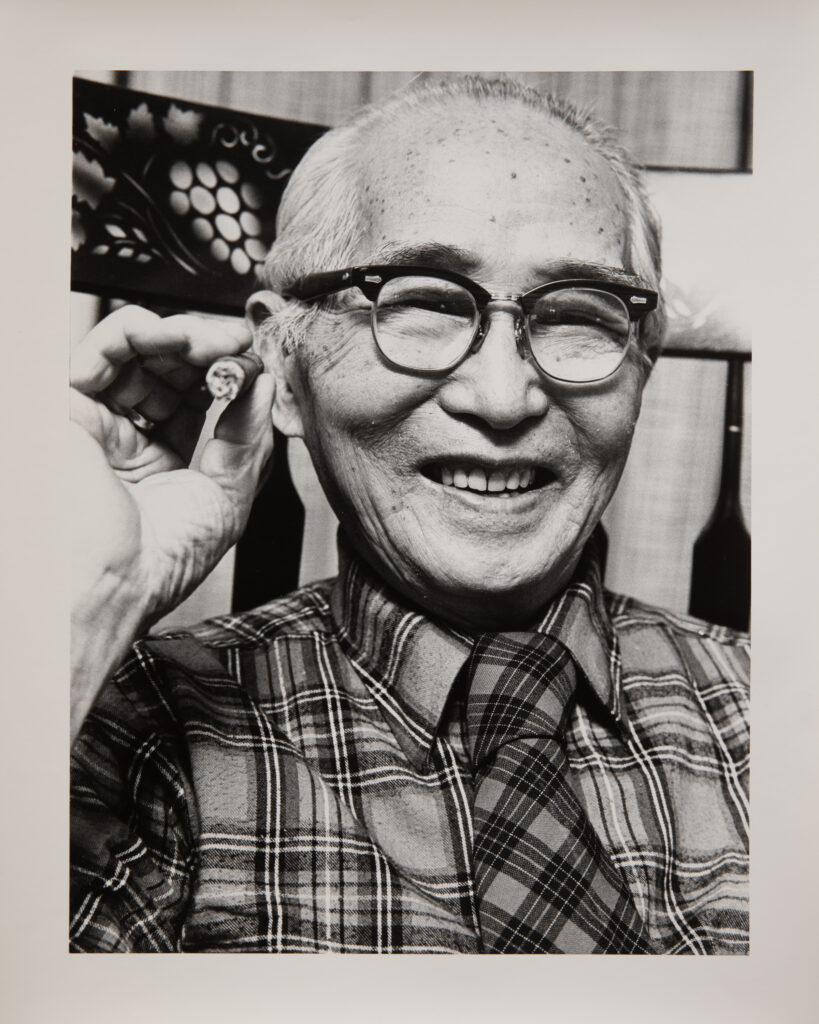
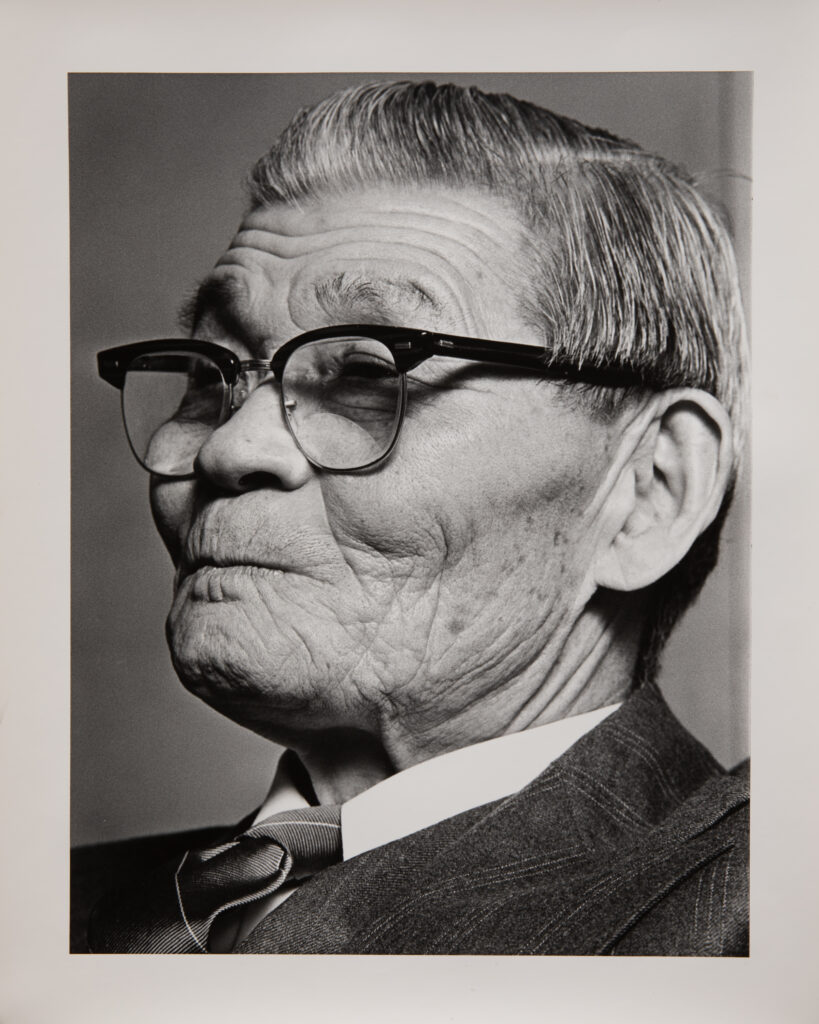
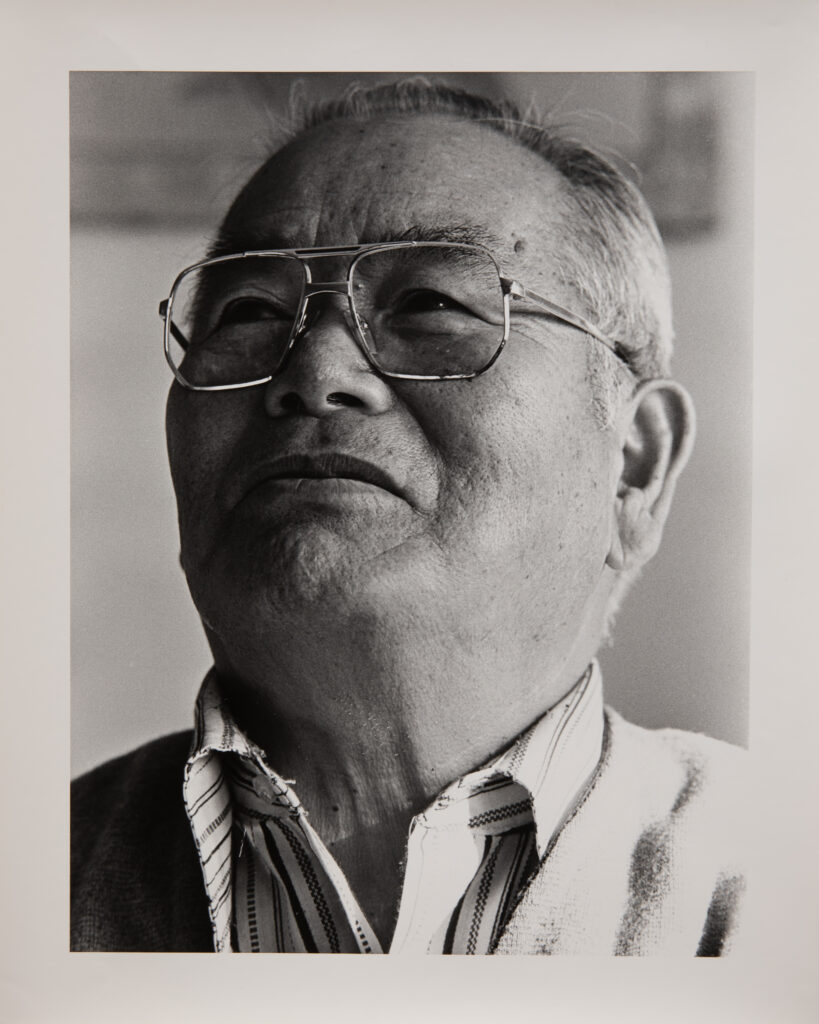
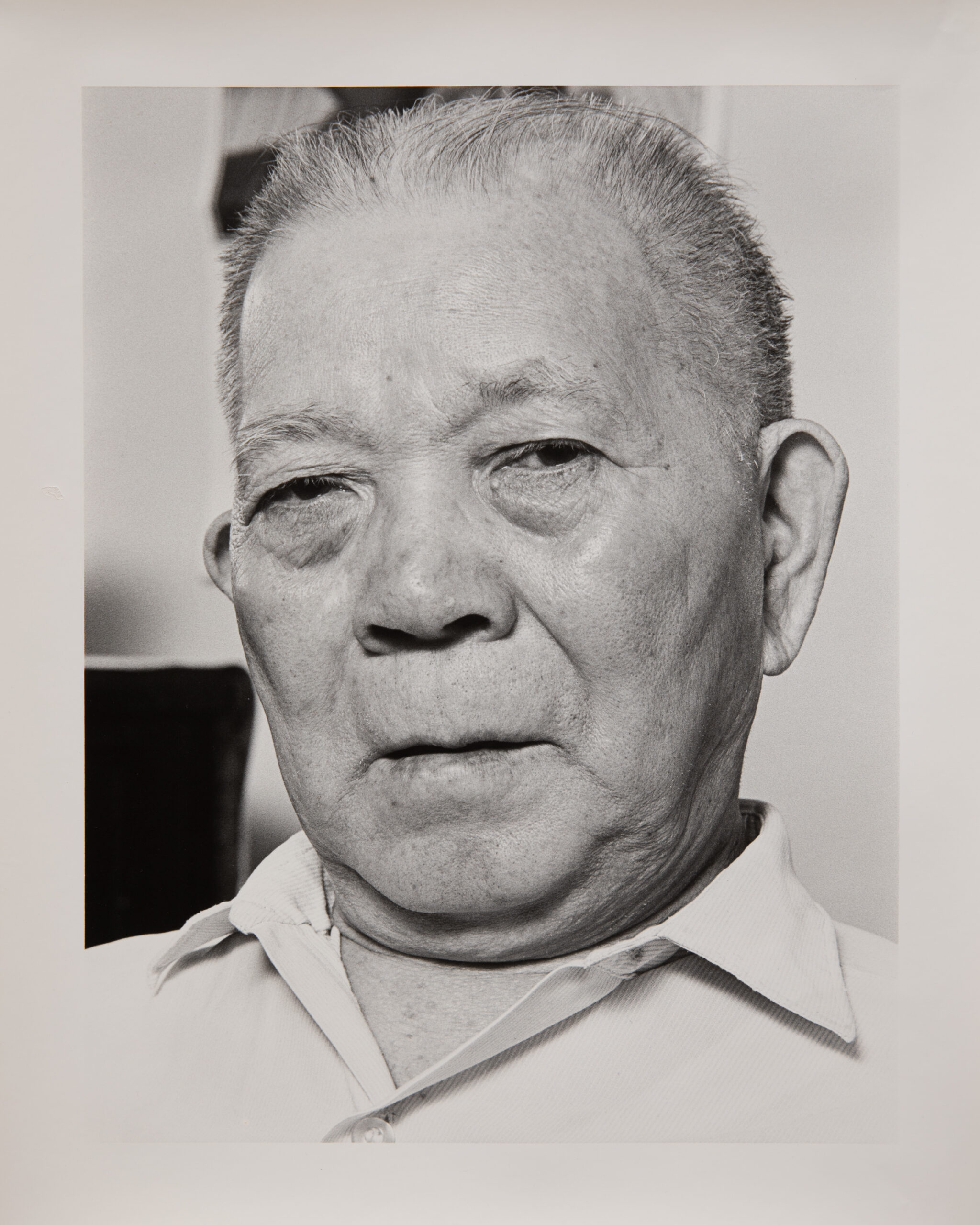
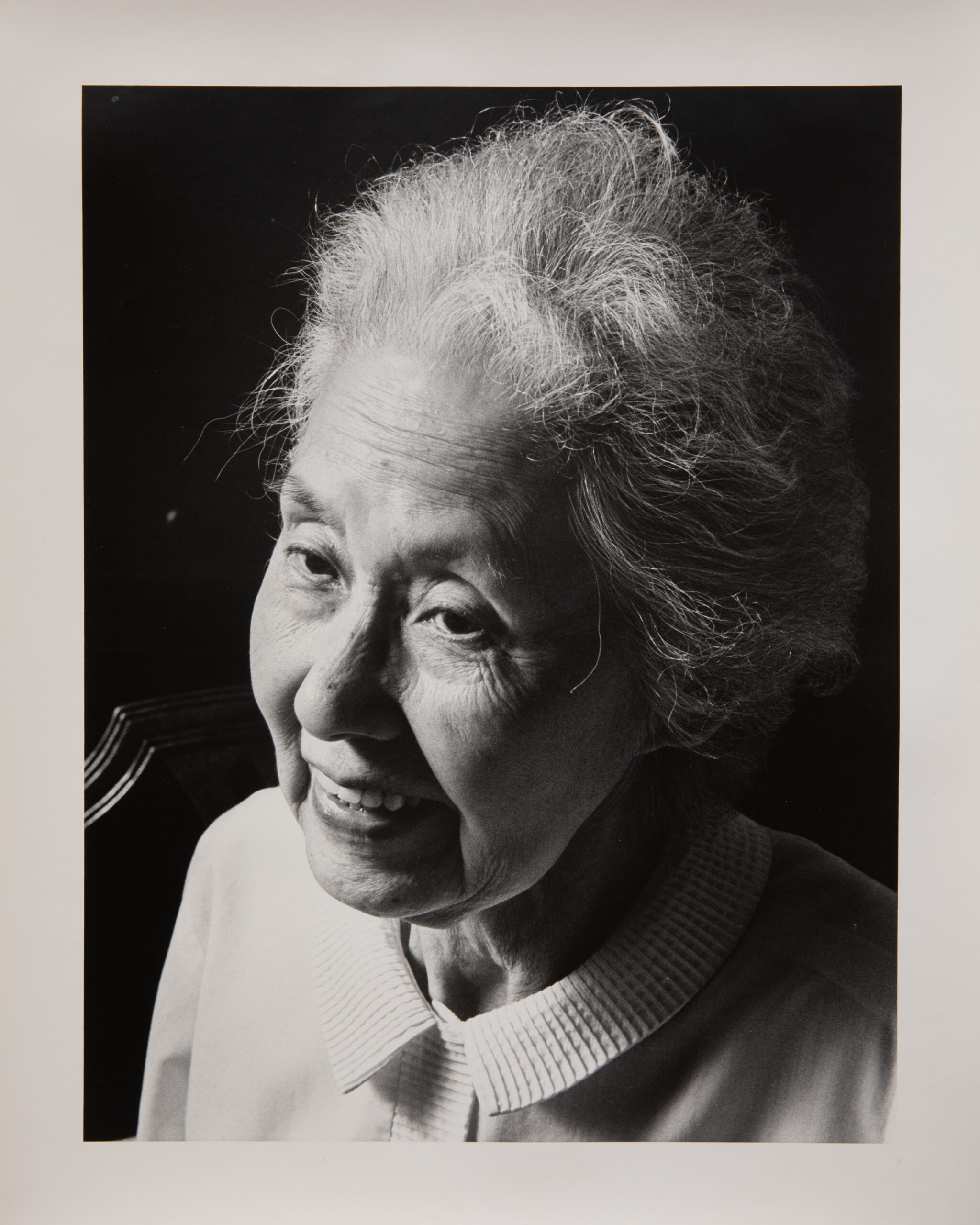
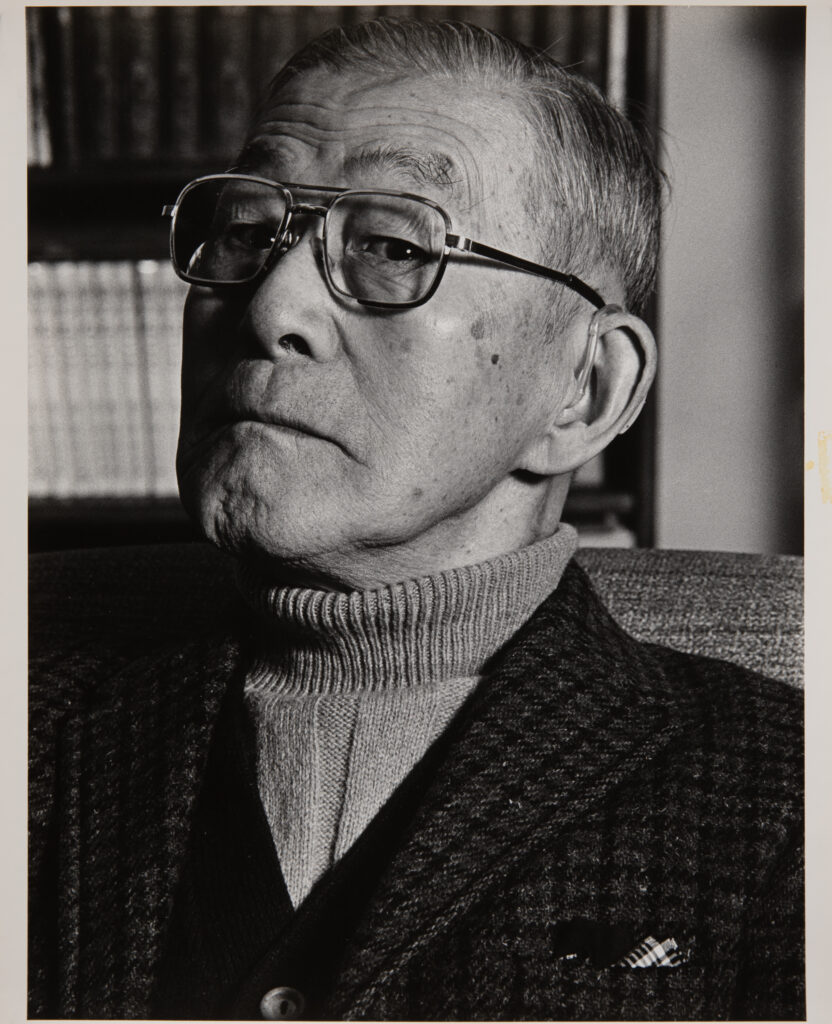
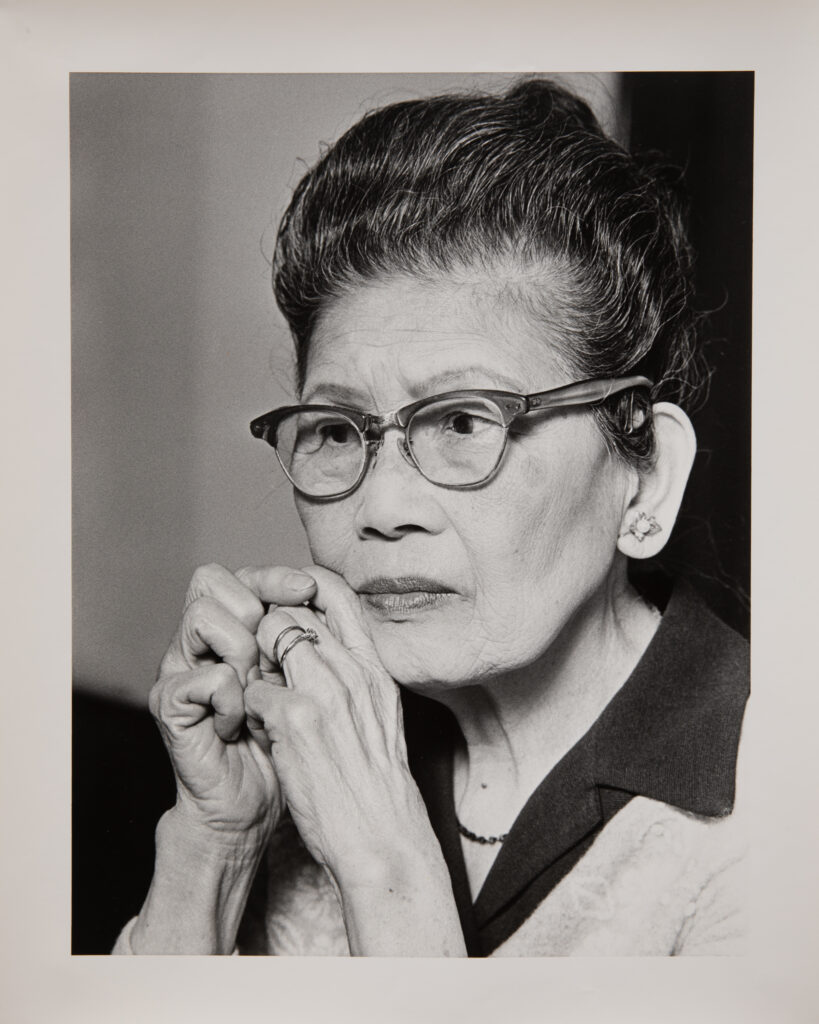
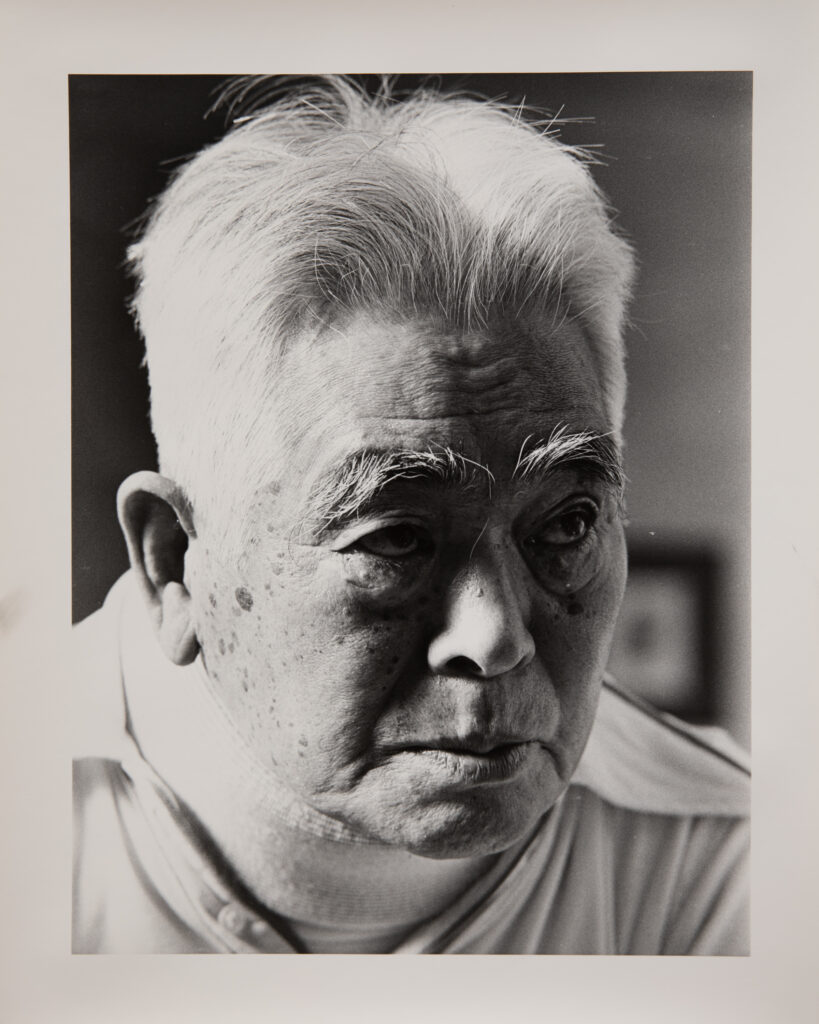
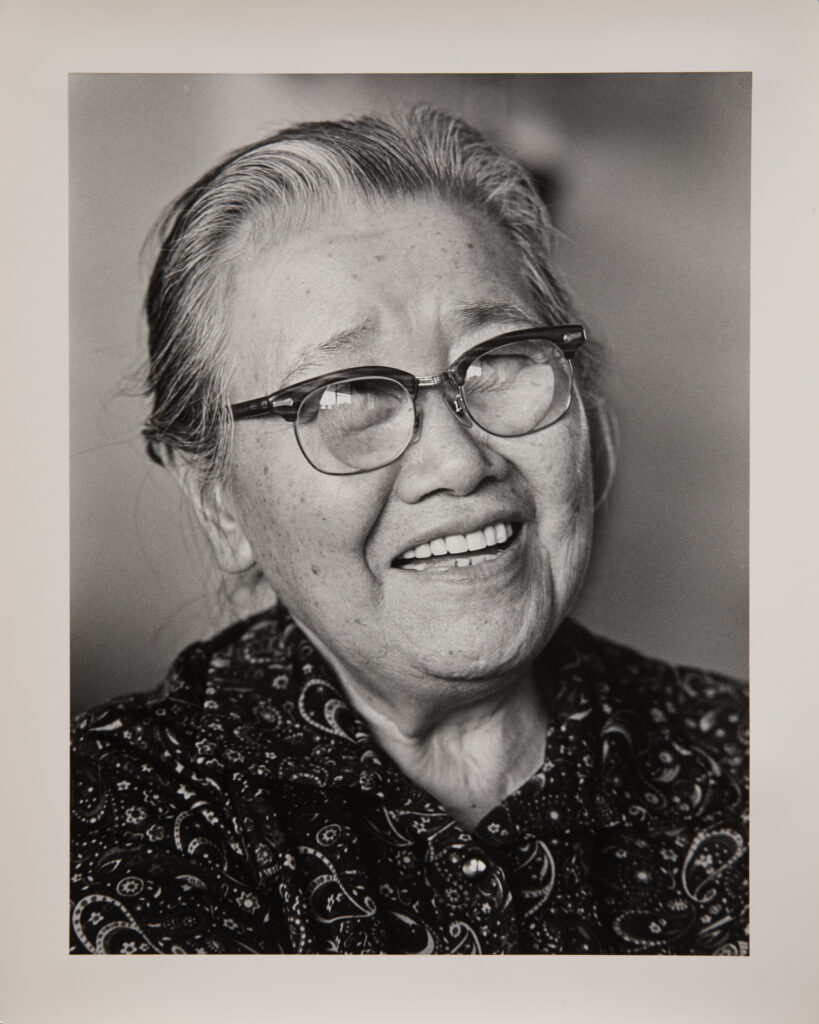
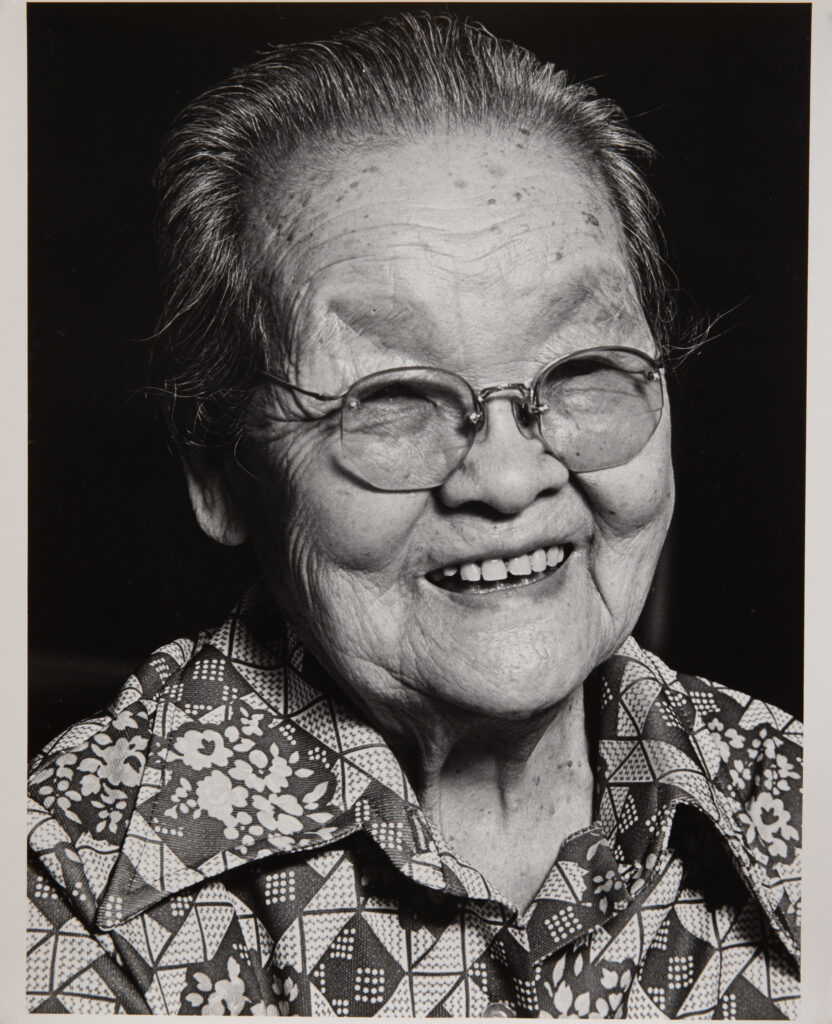
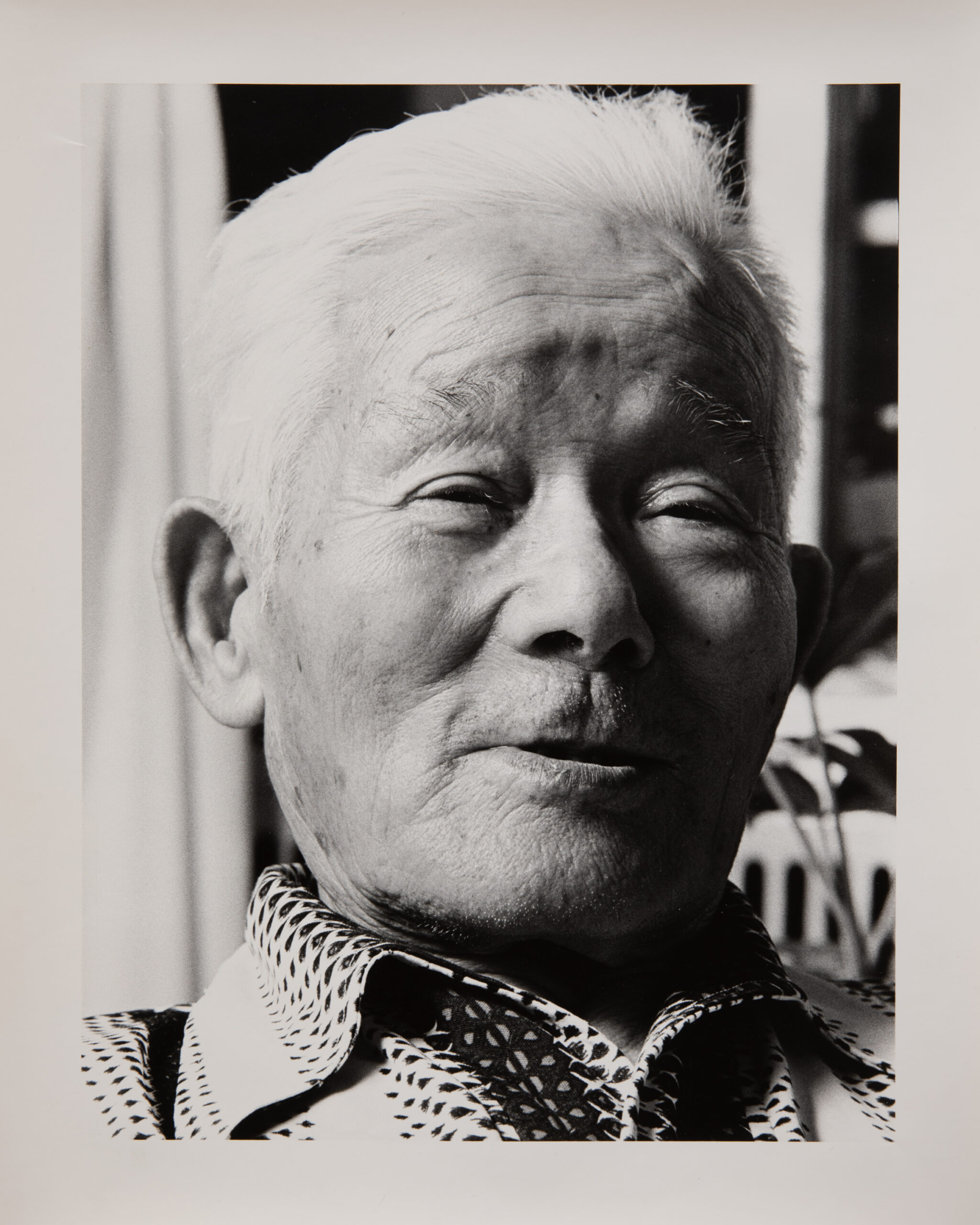
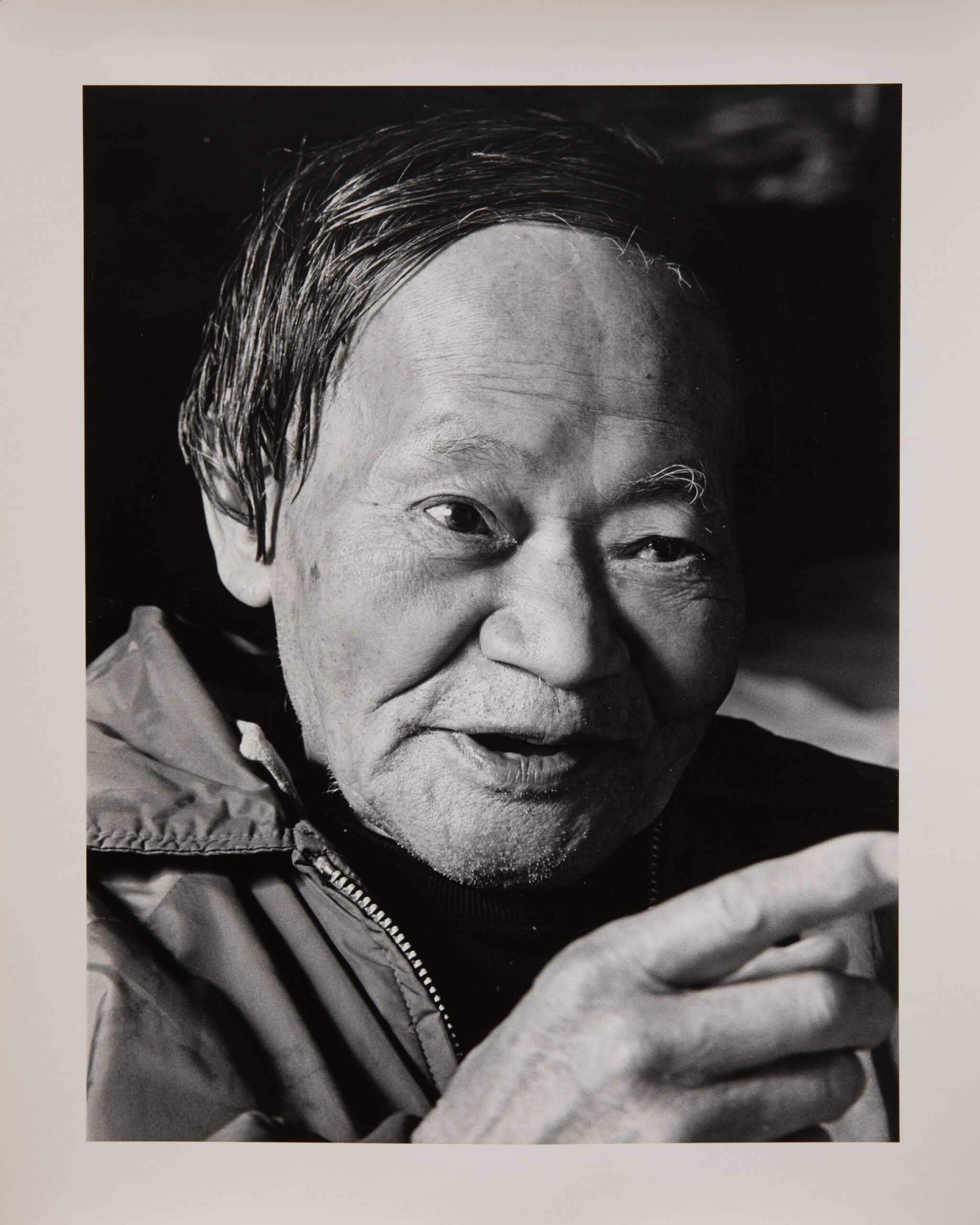
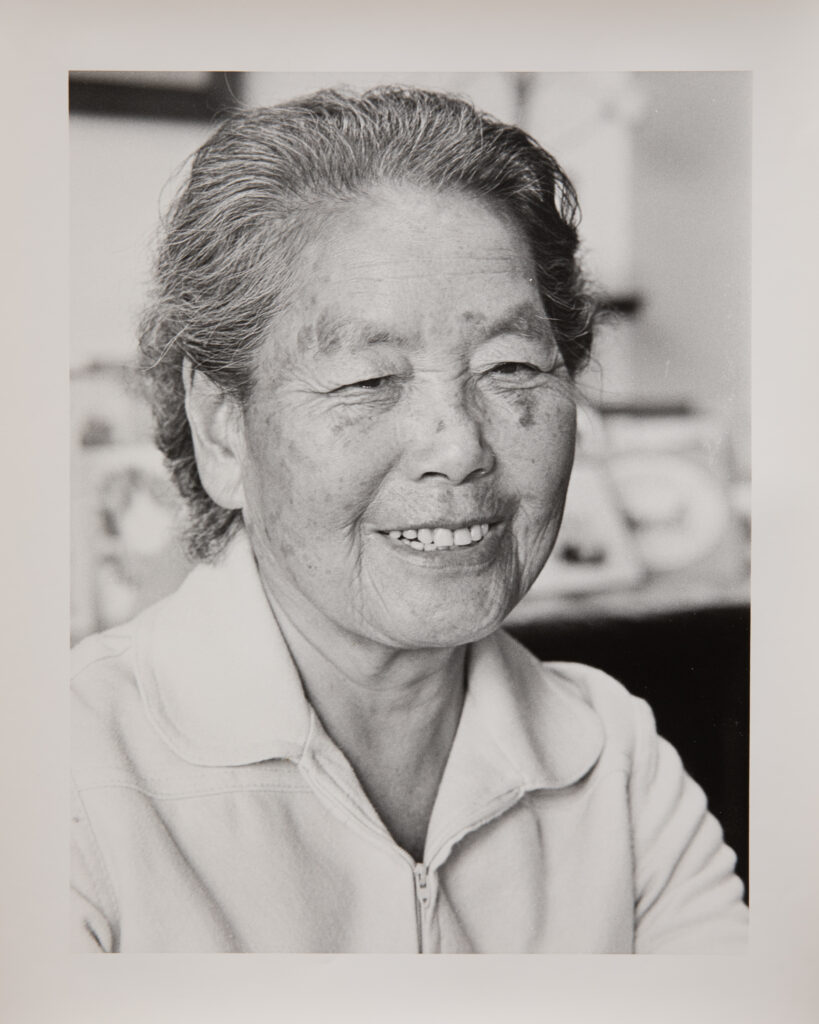
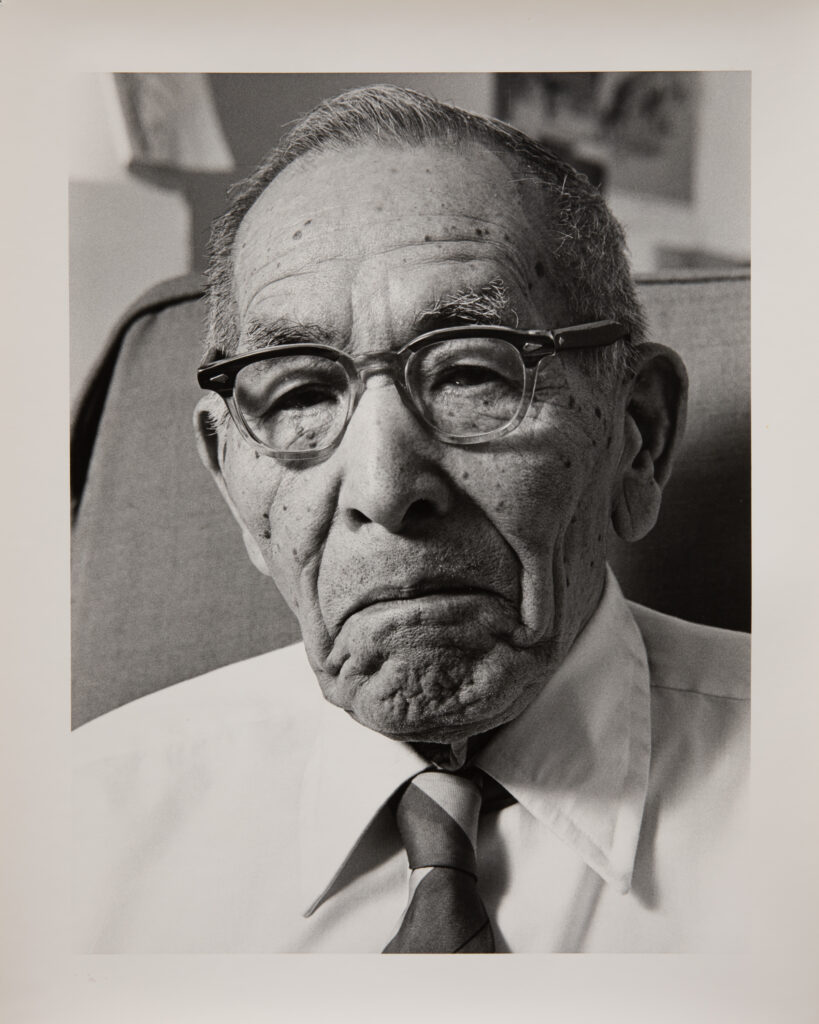
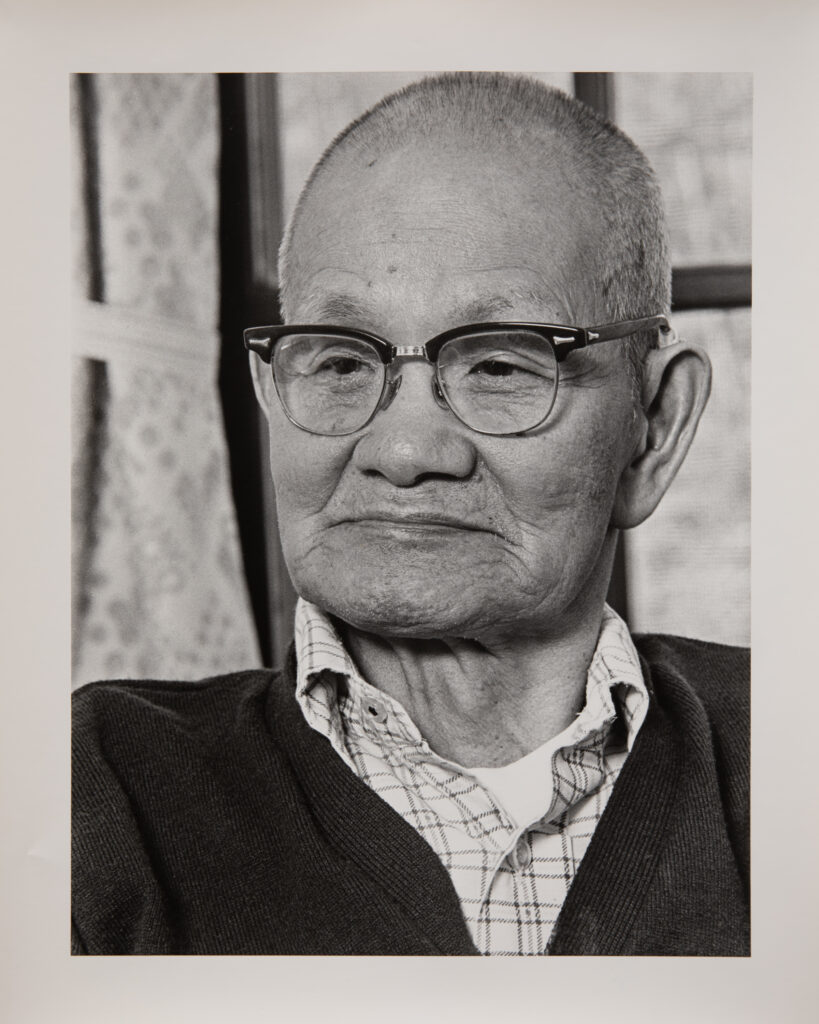
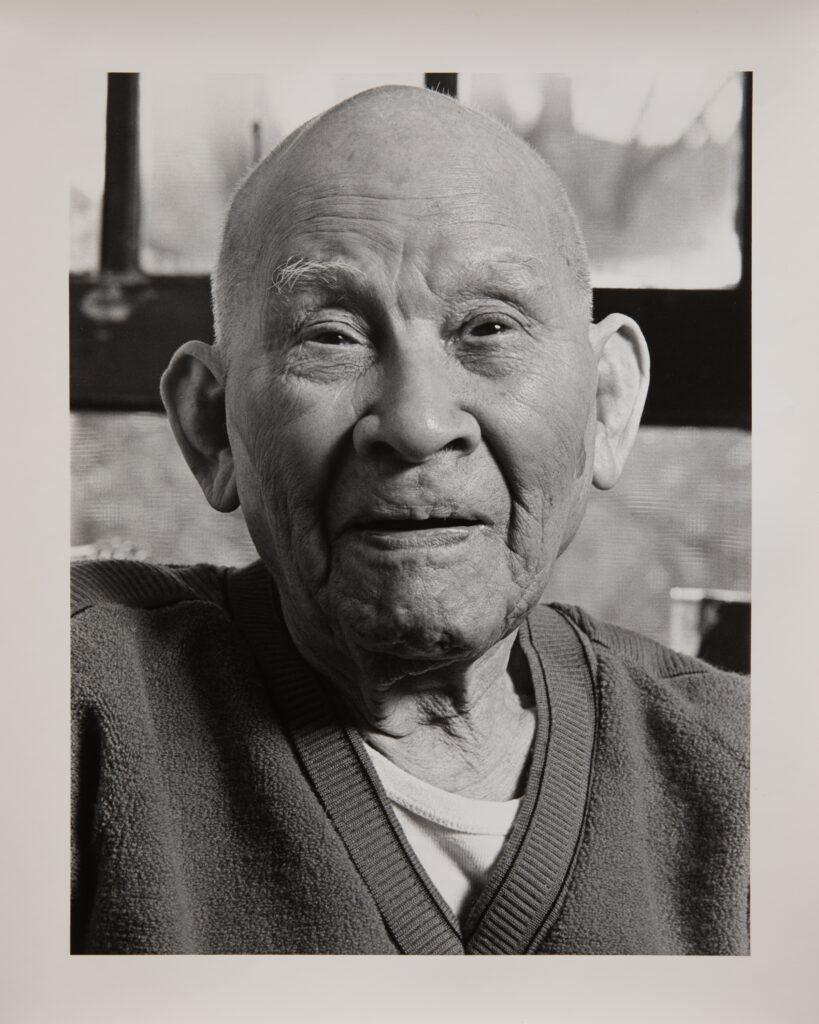
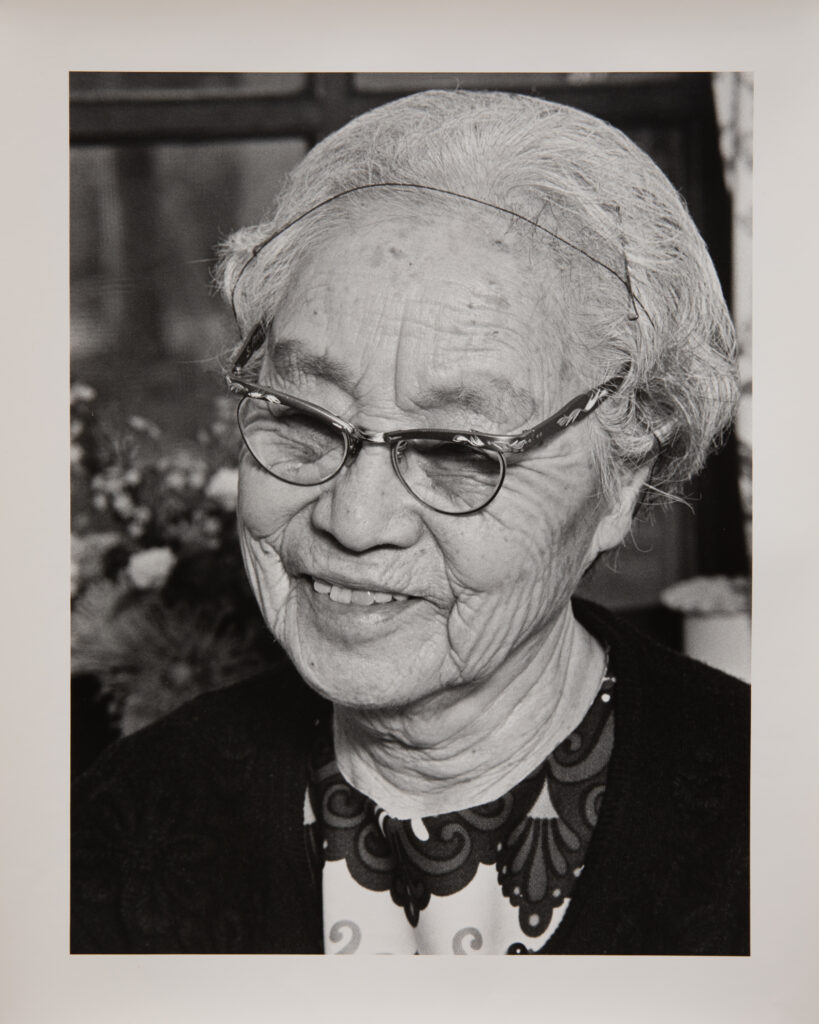
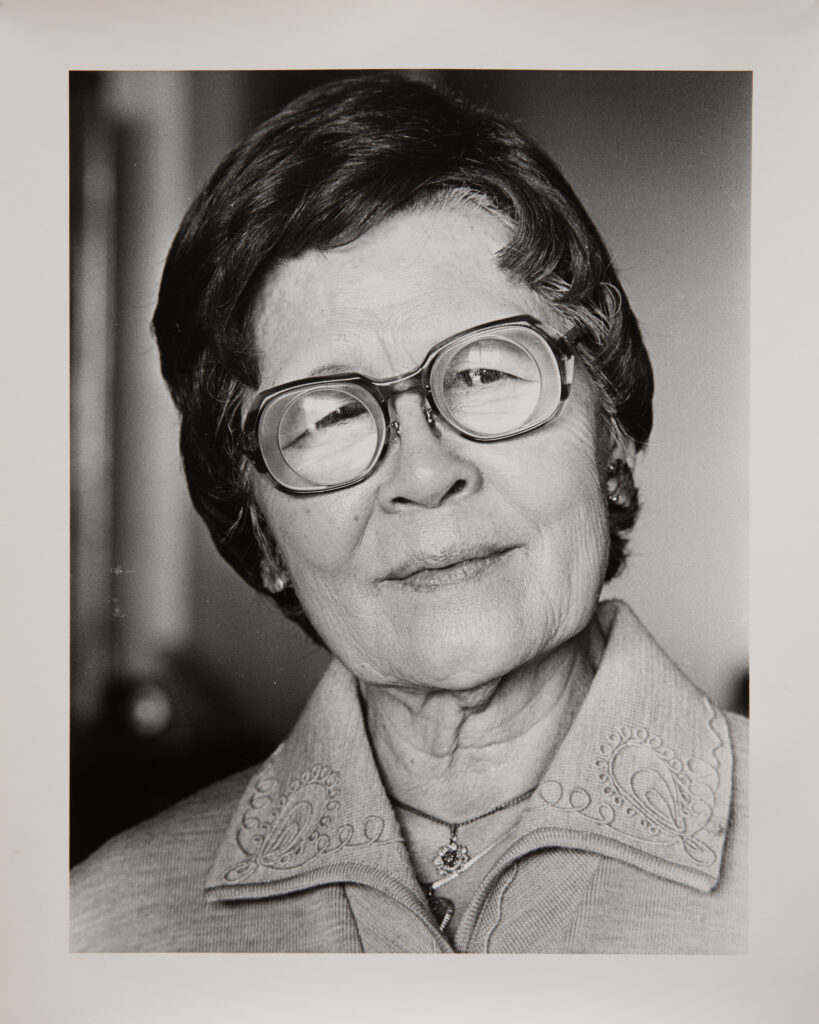
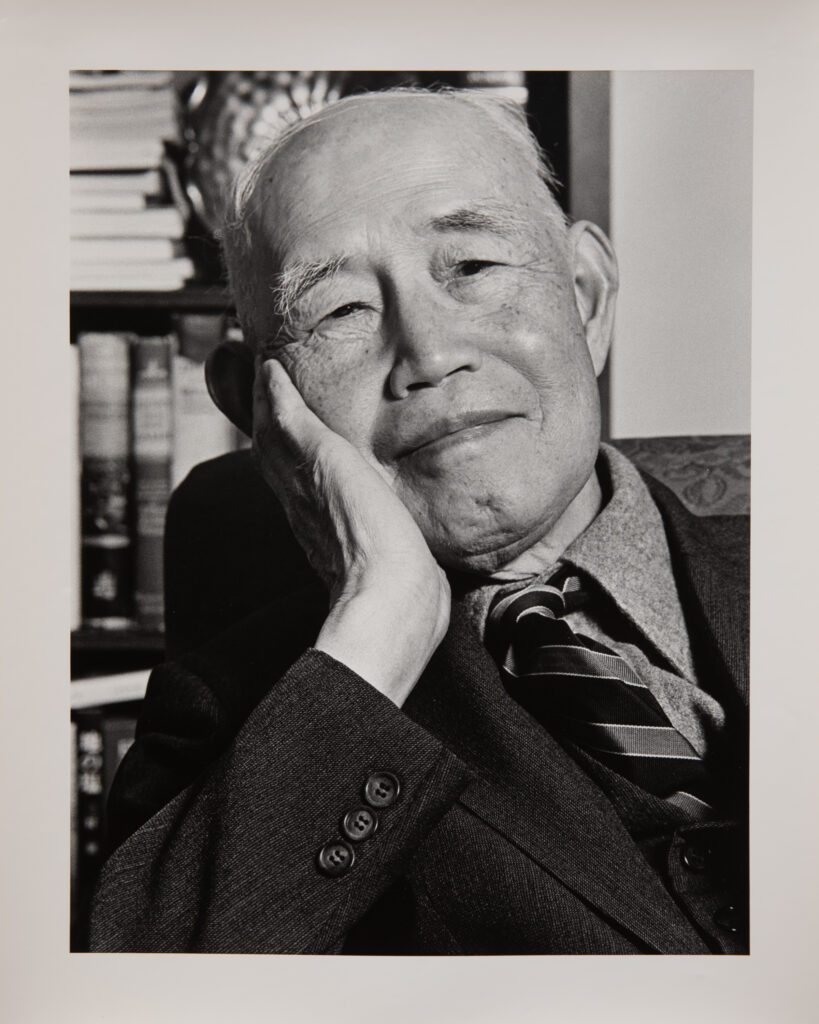
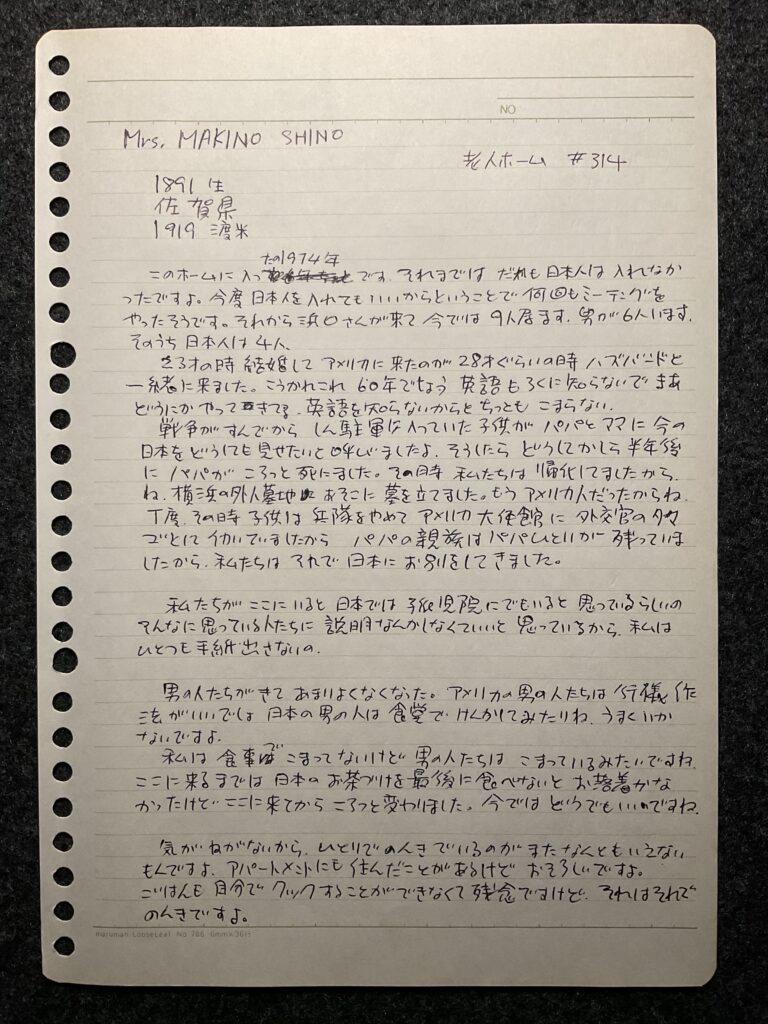
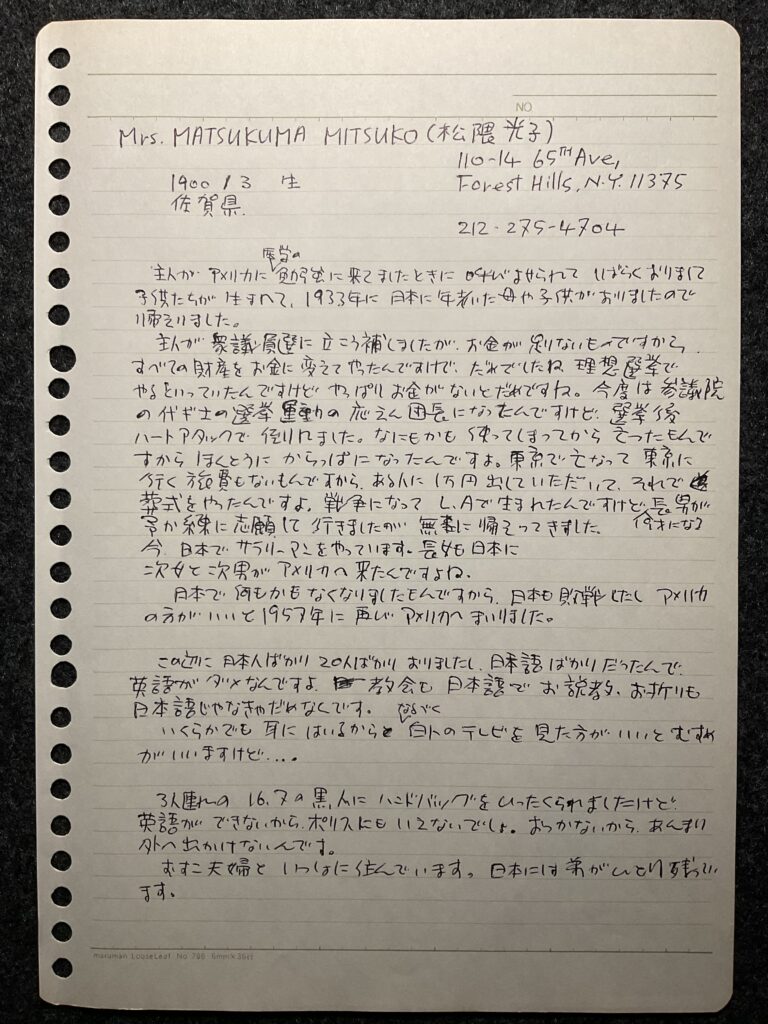
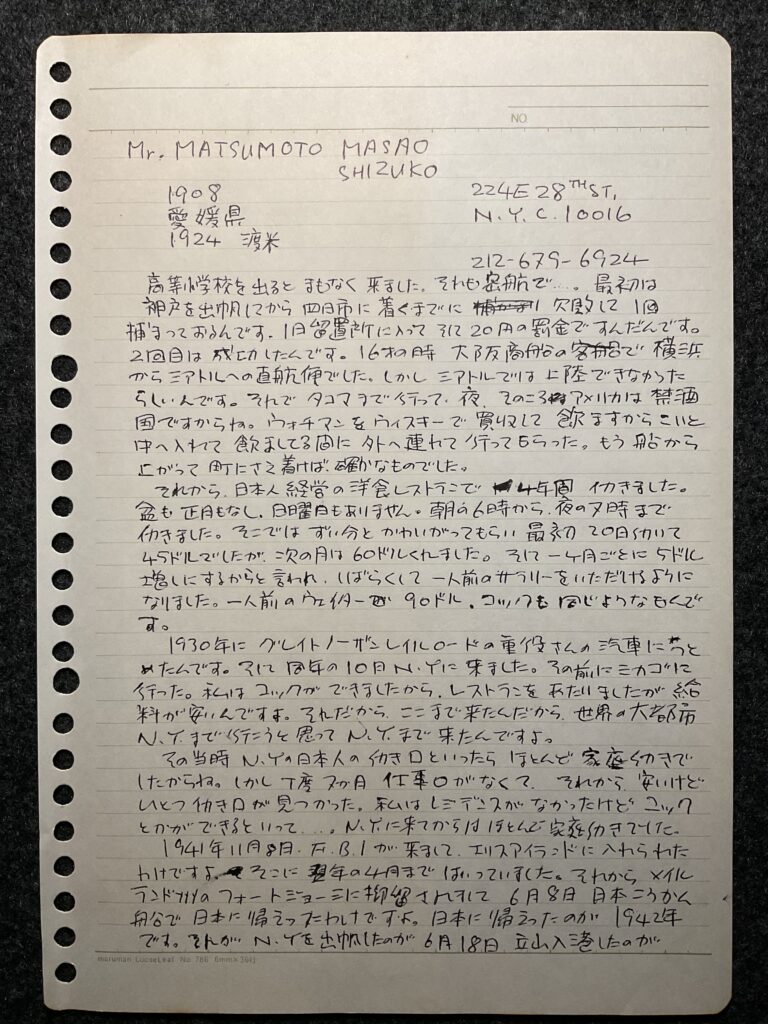
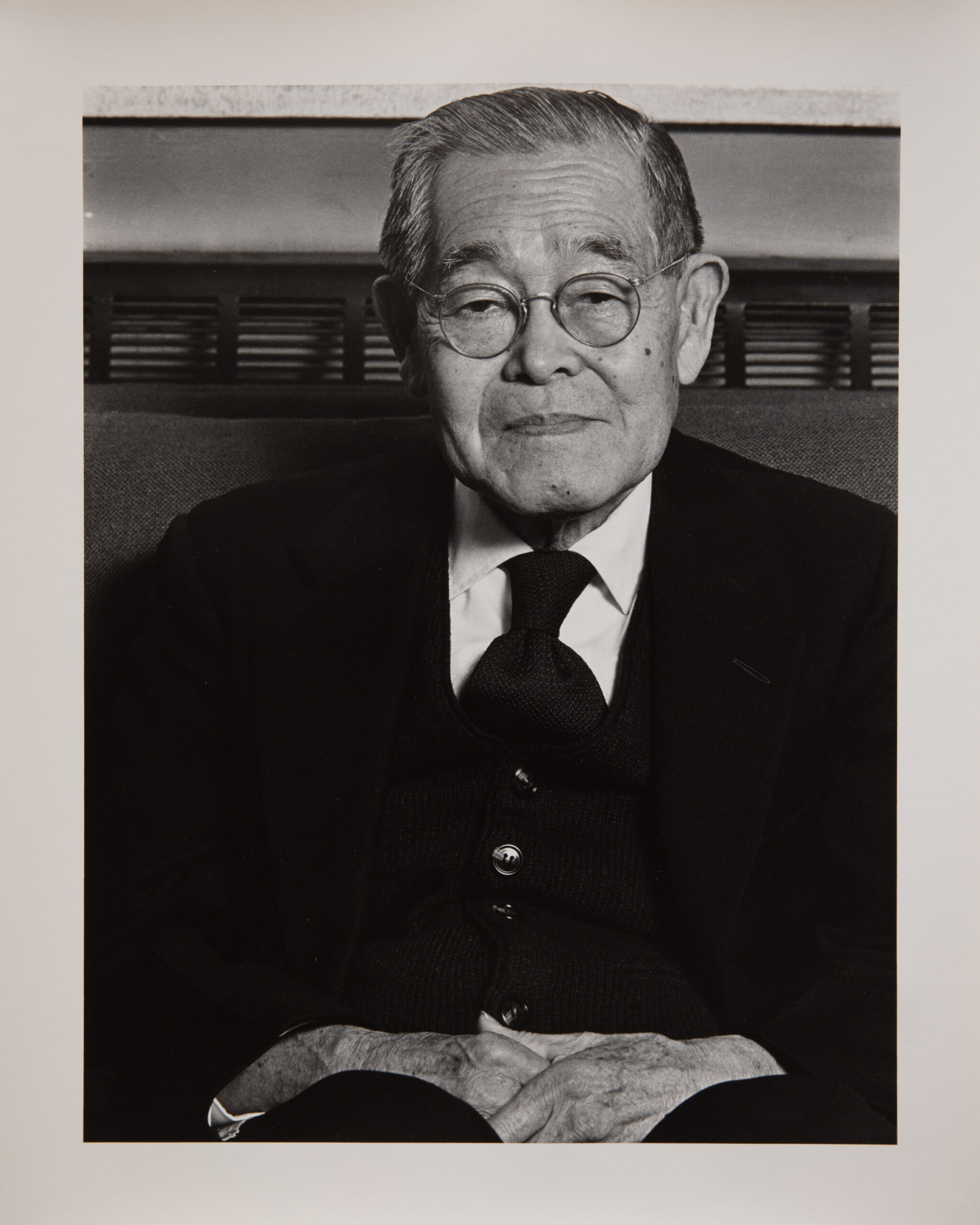
Created in 1980 by Japanese photographer Hiroyuki “Tora” Inoue, these portraits capture New York’s Issei, the first generation of Japanese immigrants whose lives helped shape the city’s Japanese community but often remained unseen. Nearly forty-five years later, most of this remarkable body of work is now brought together in this digital exhibition.
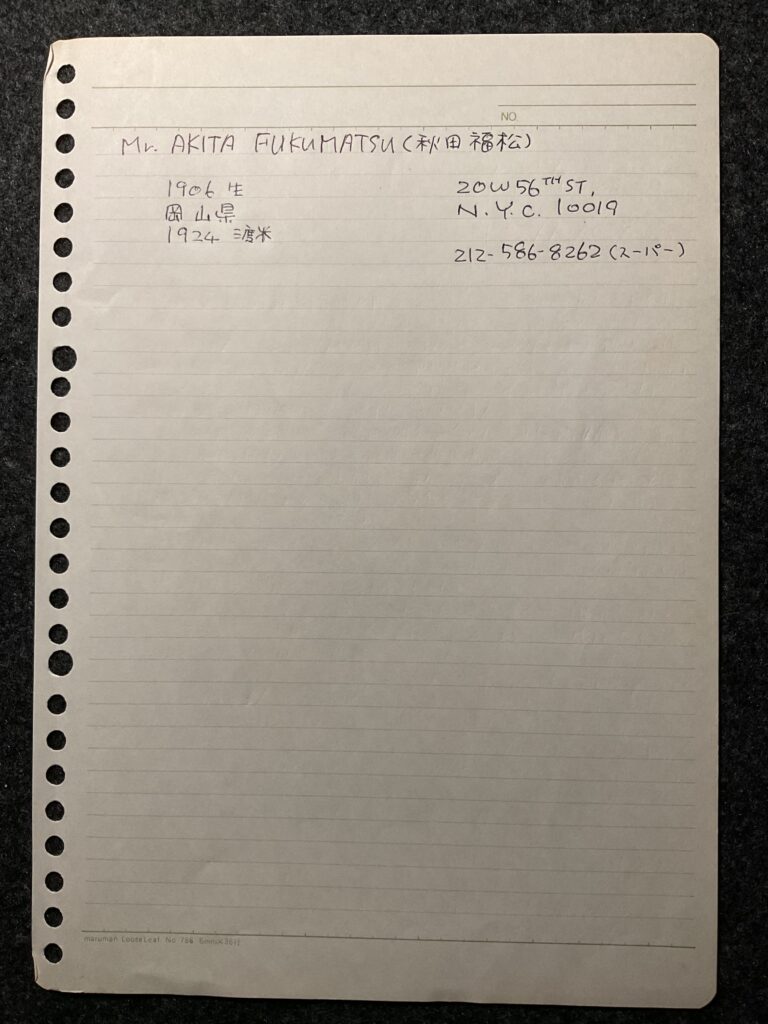
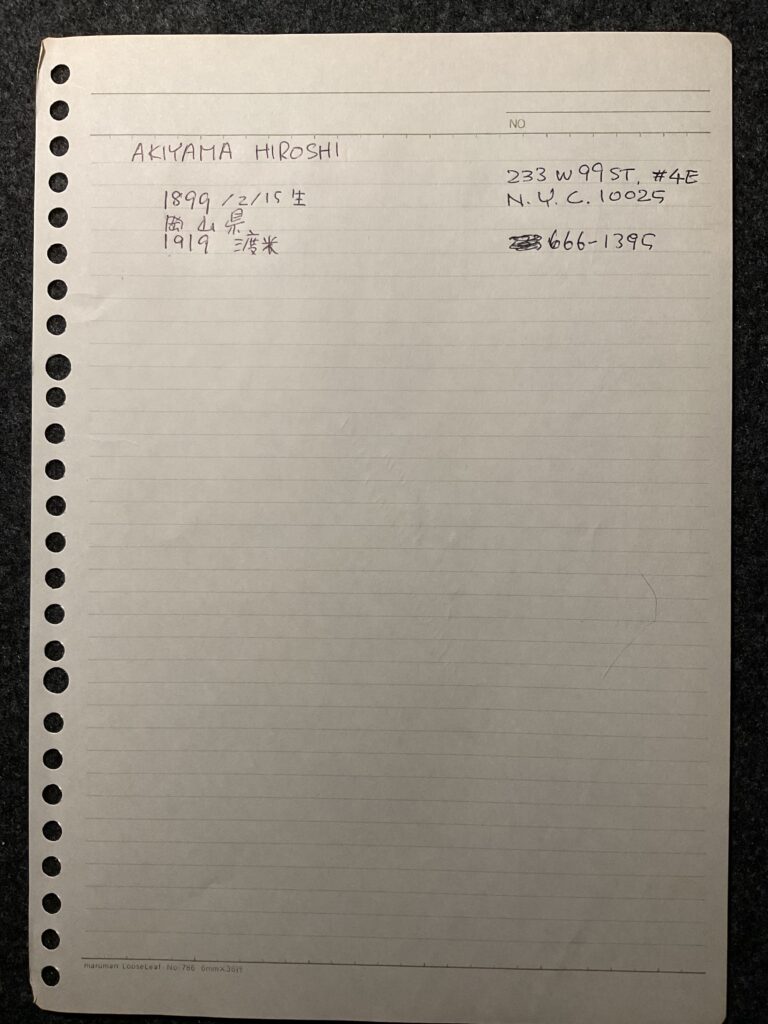
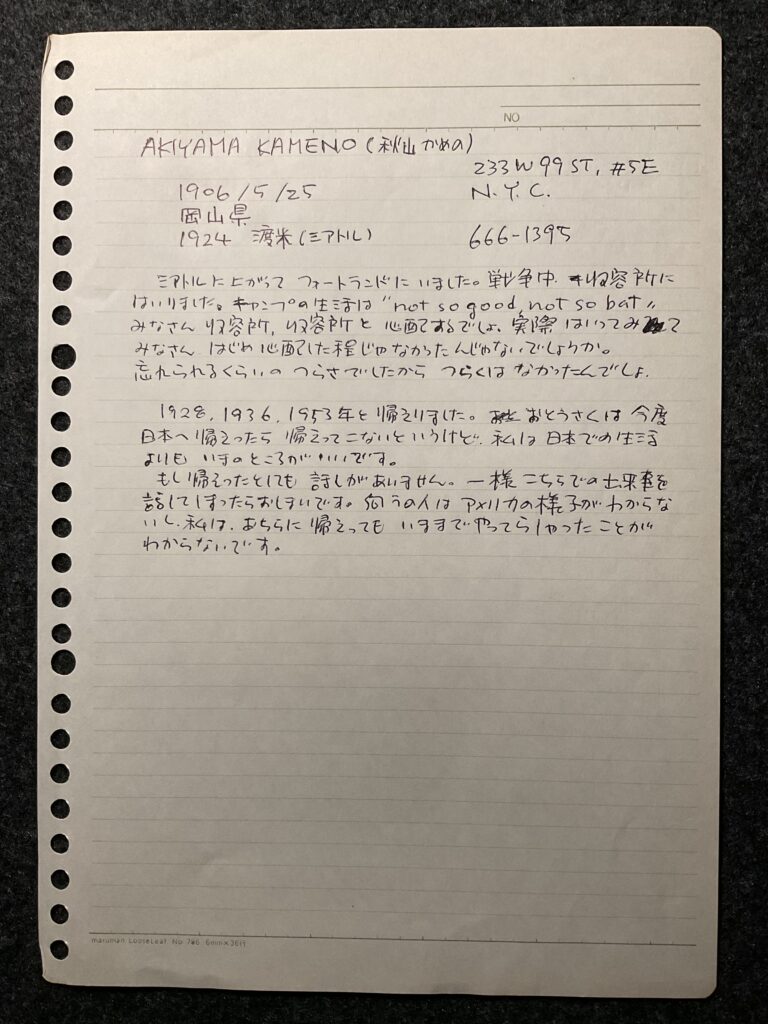
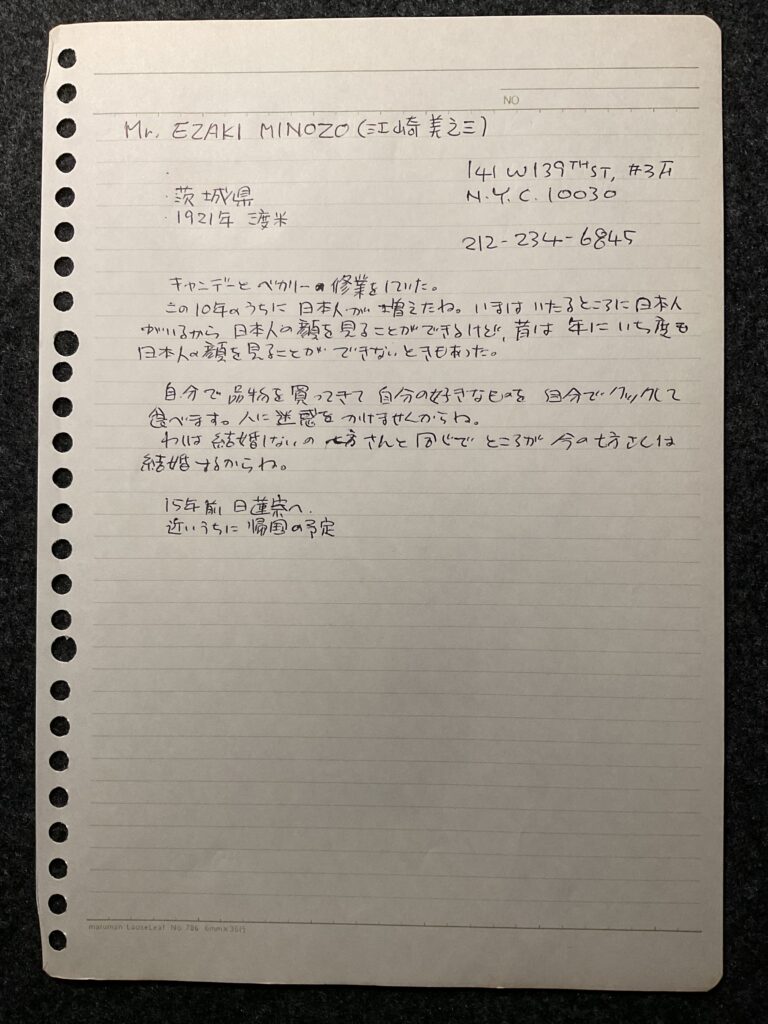
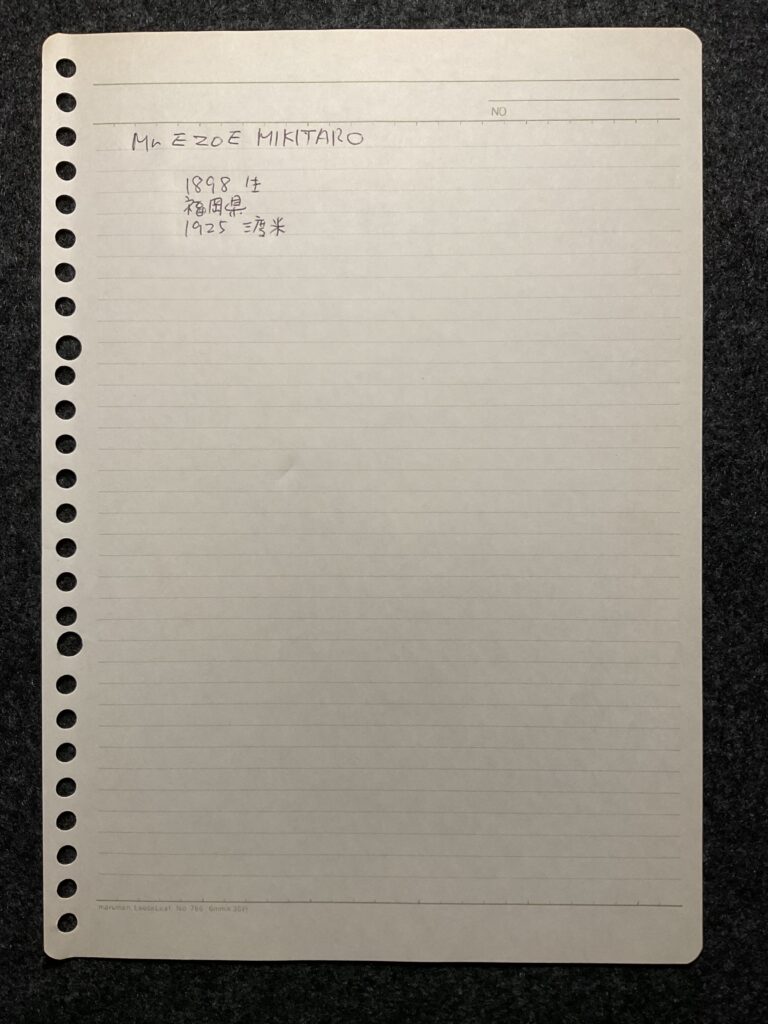
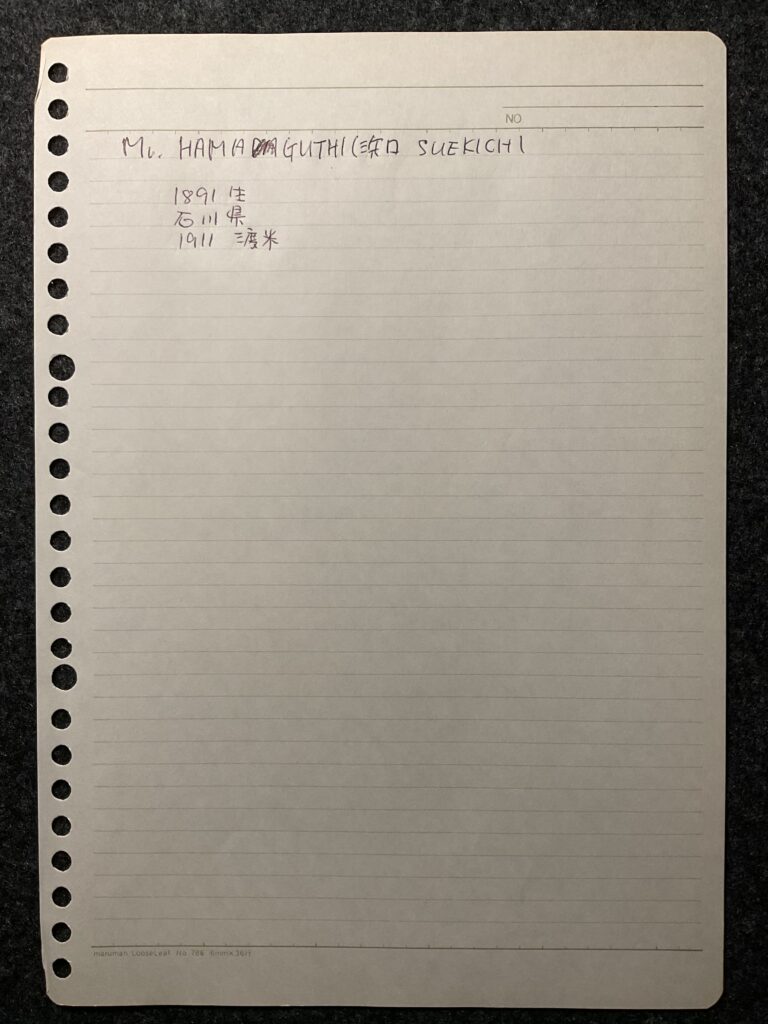
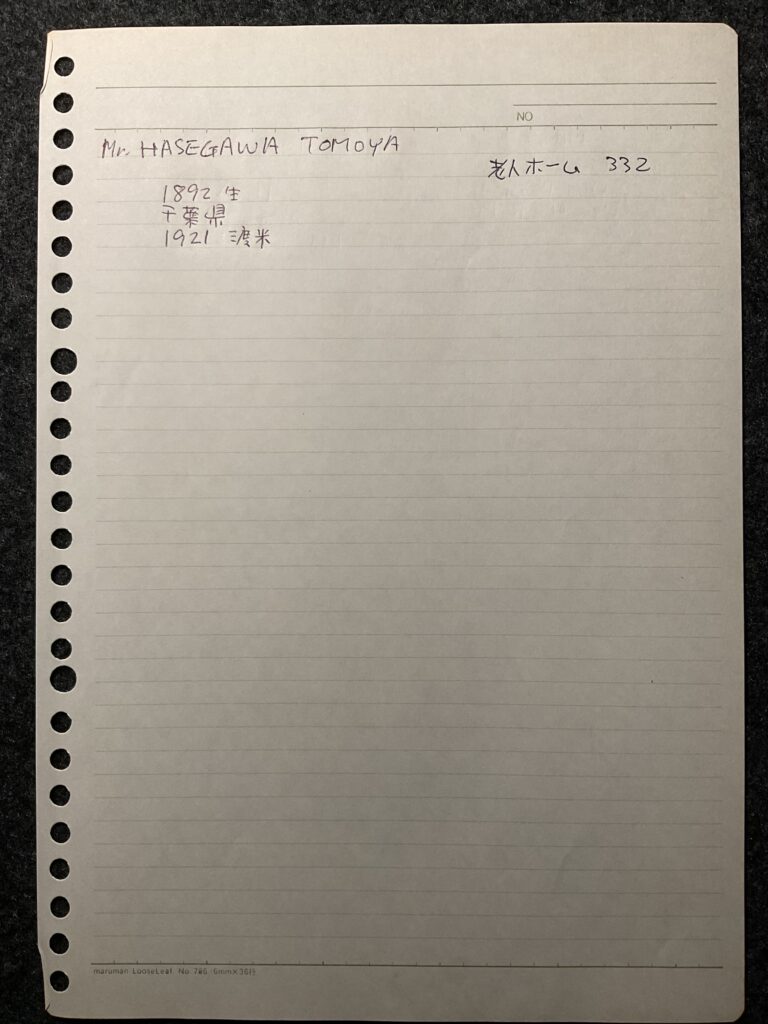
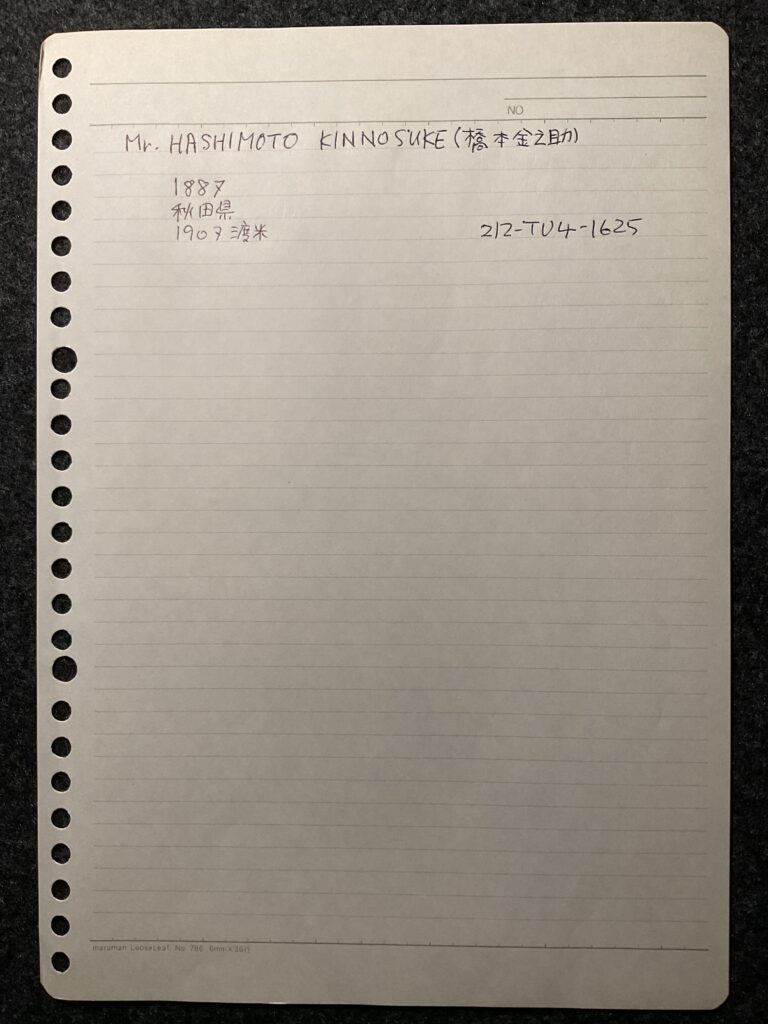
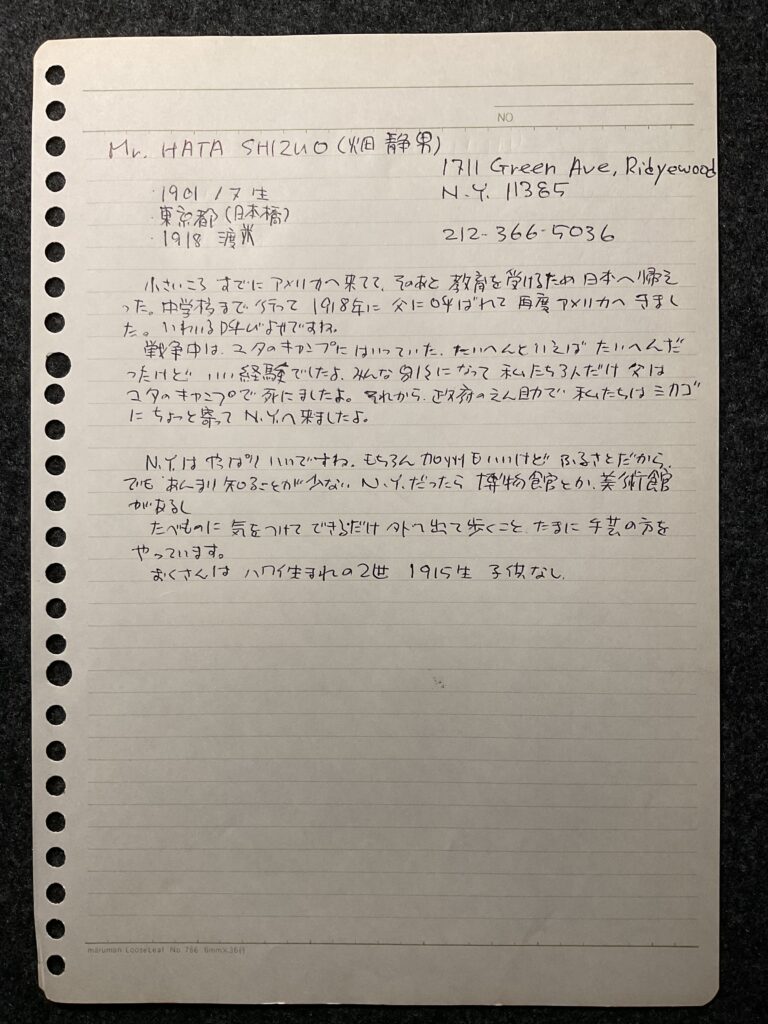
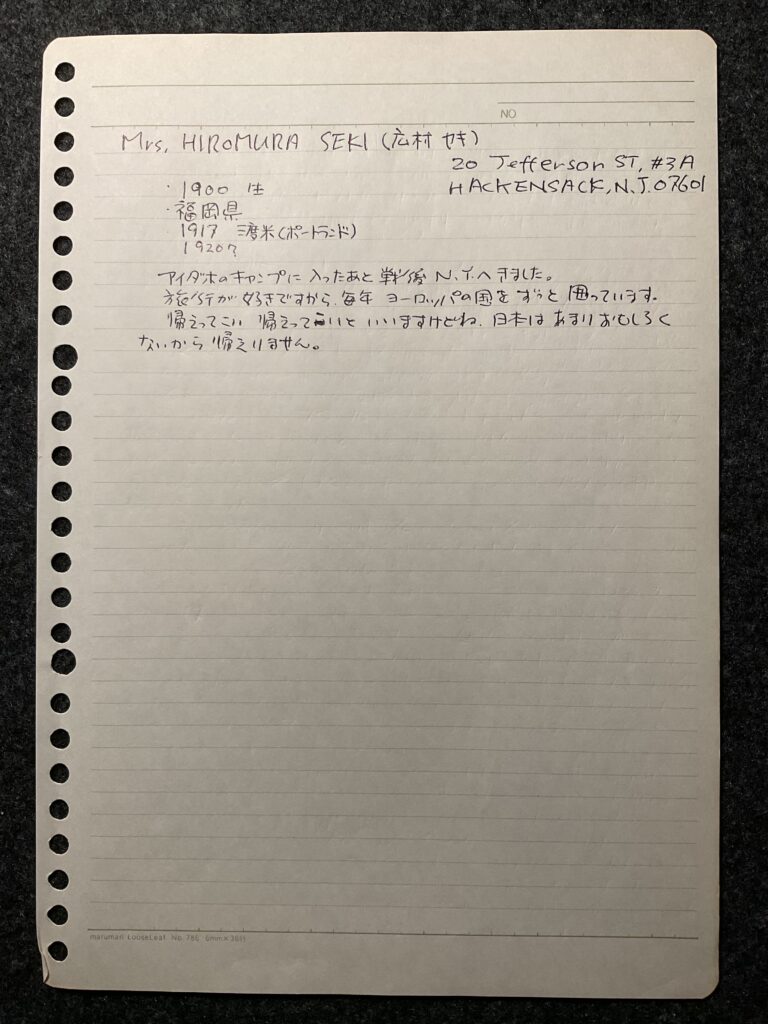
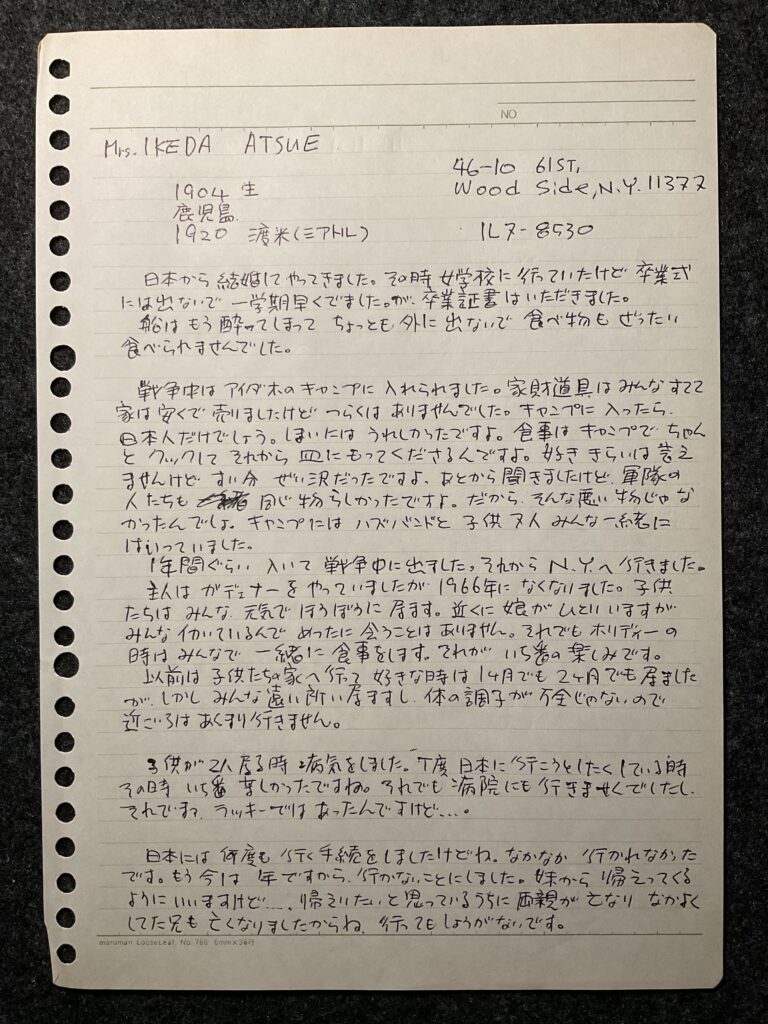
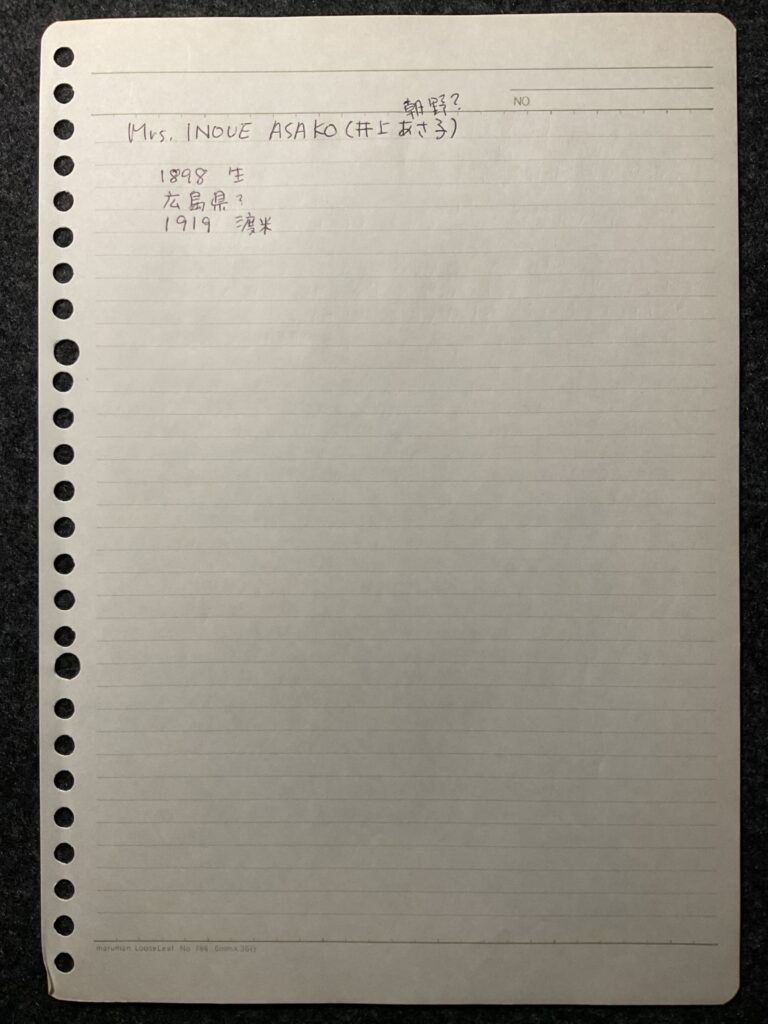
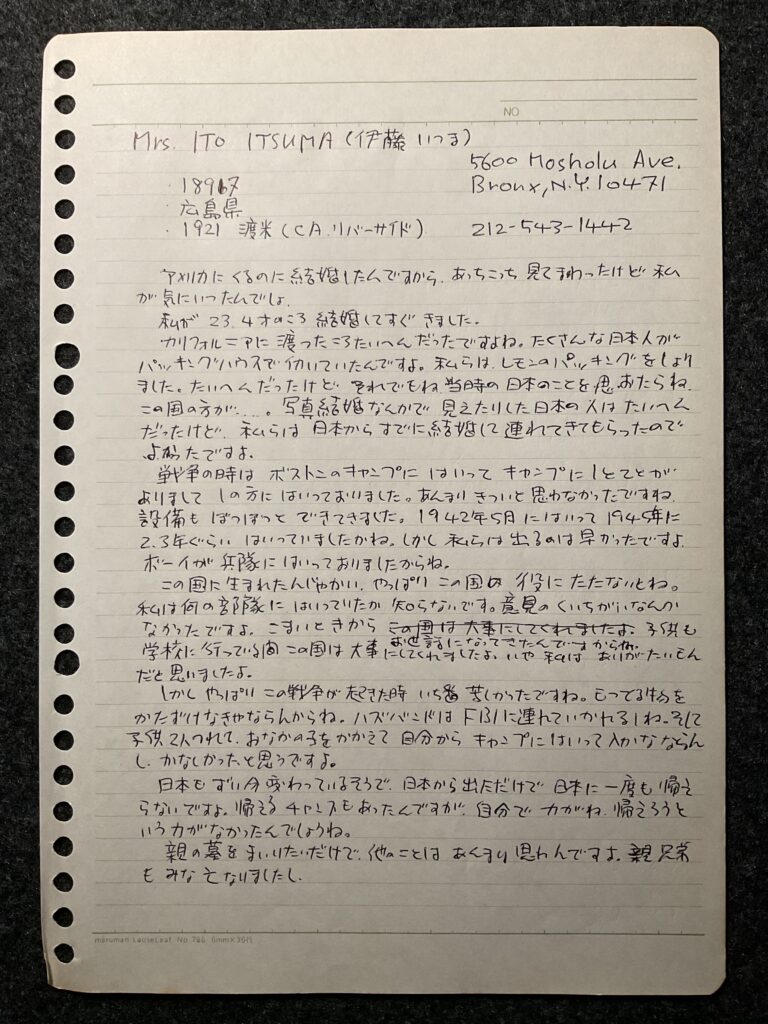
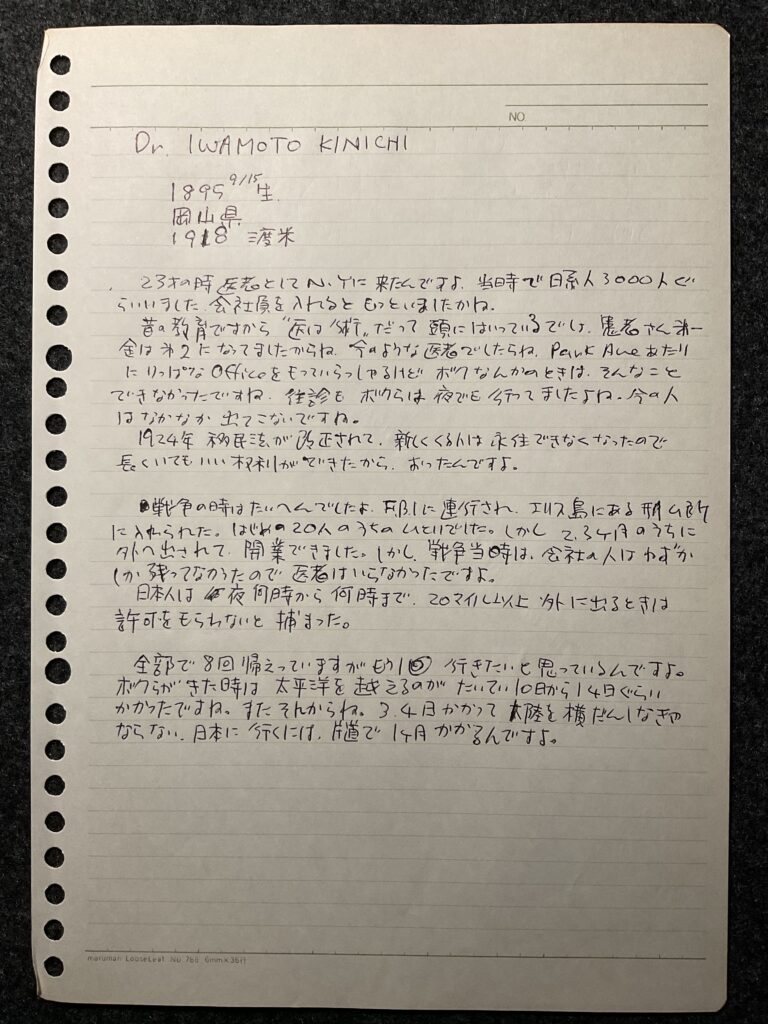
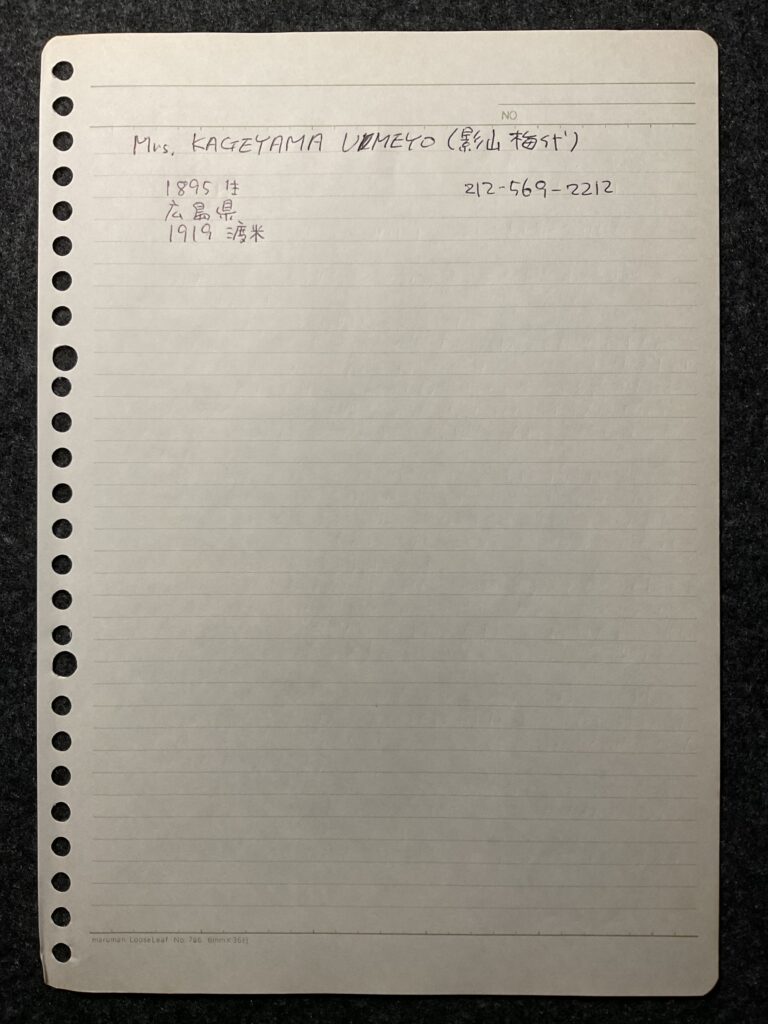
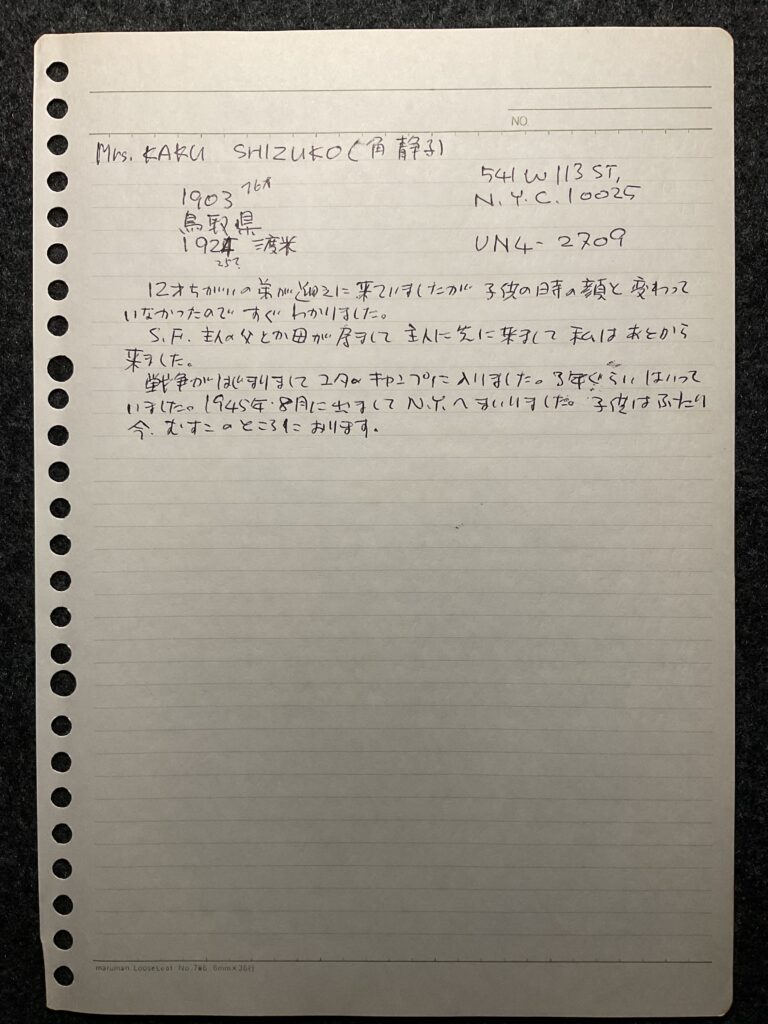
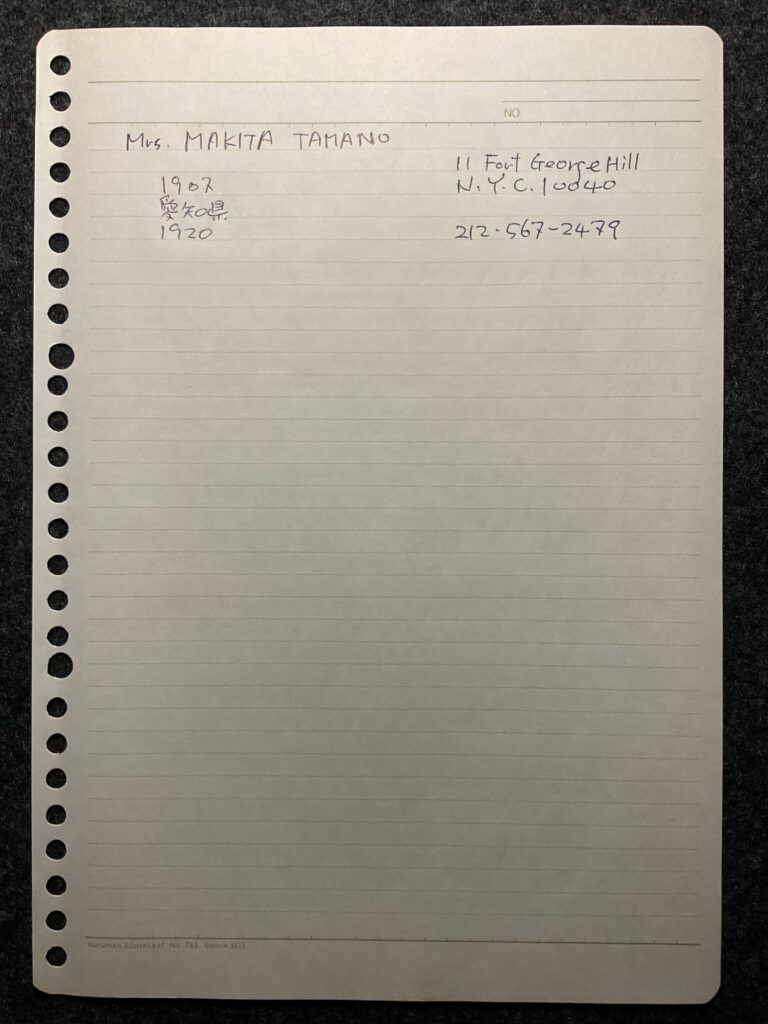
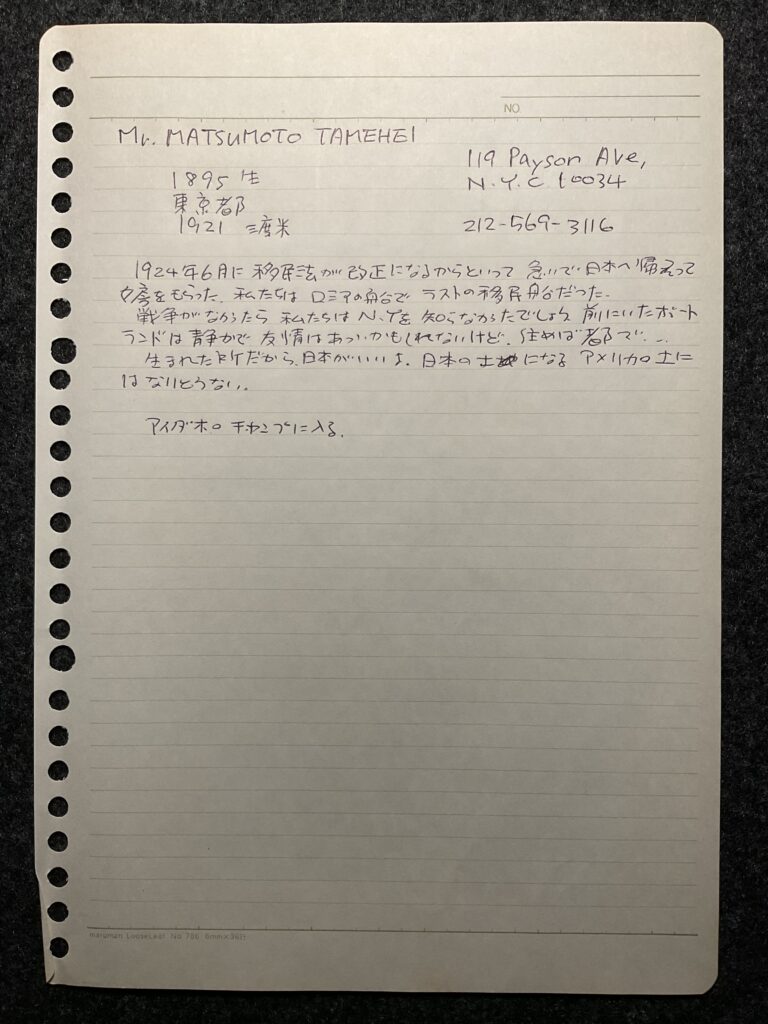
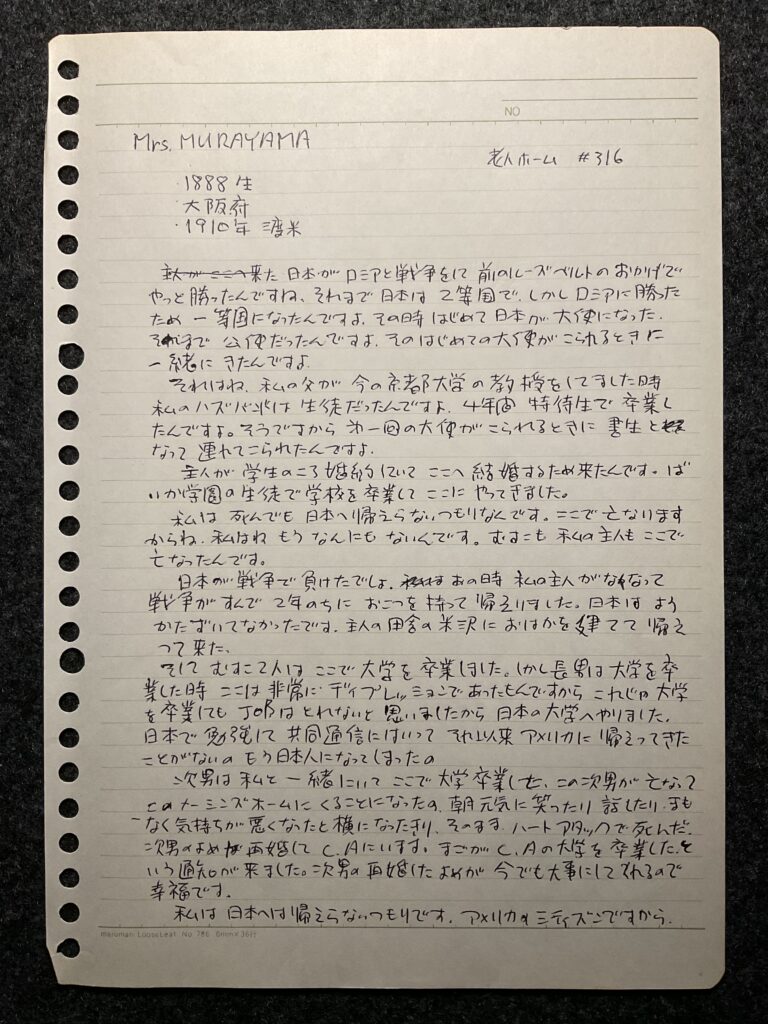
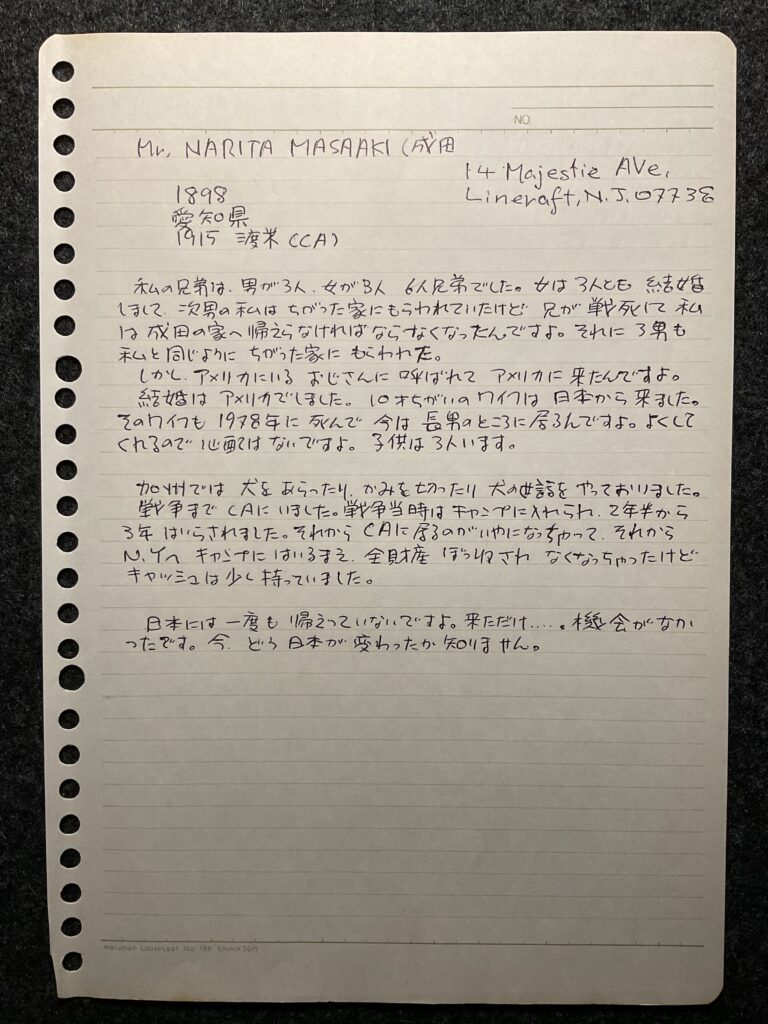
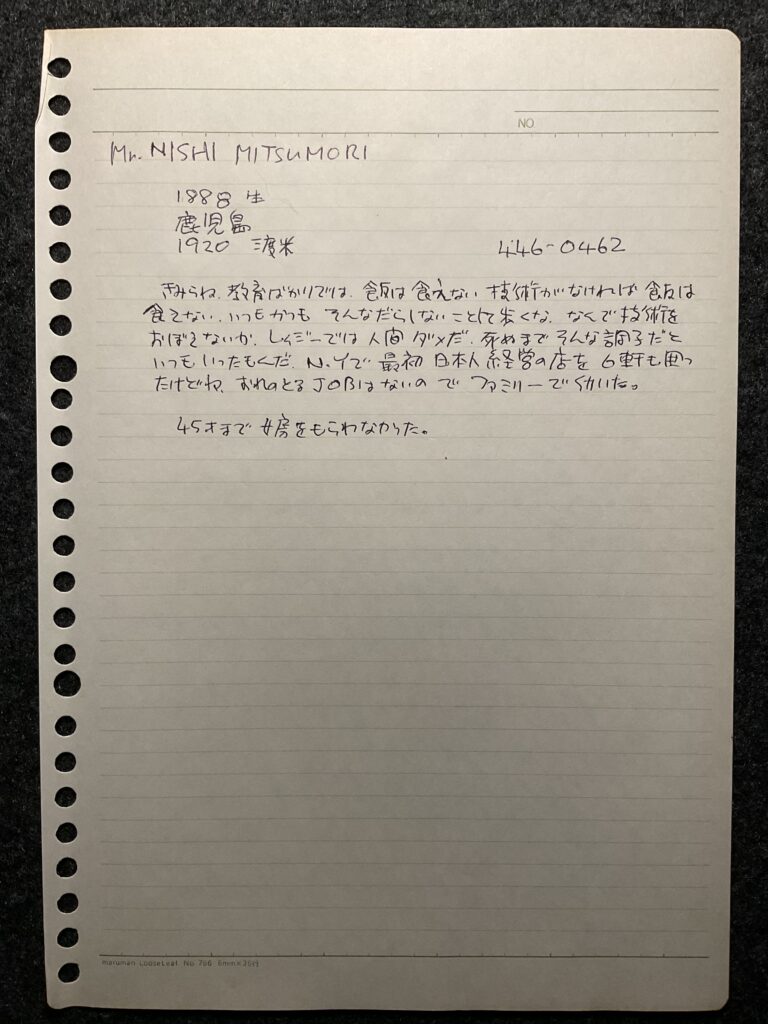
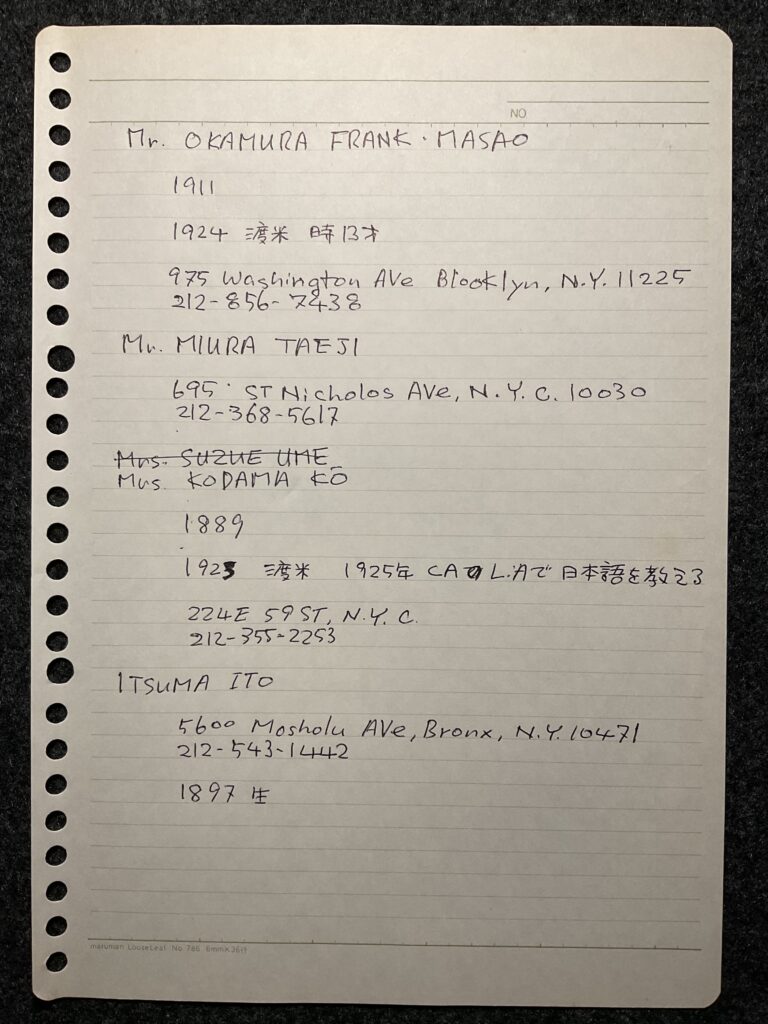
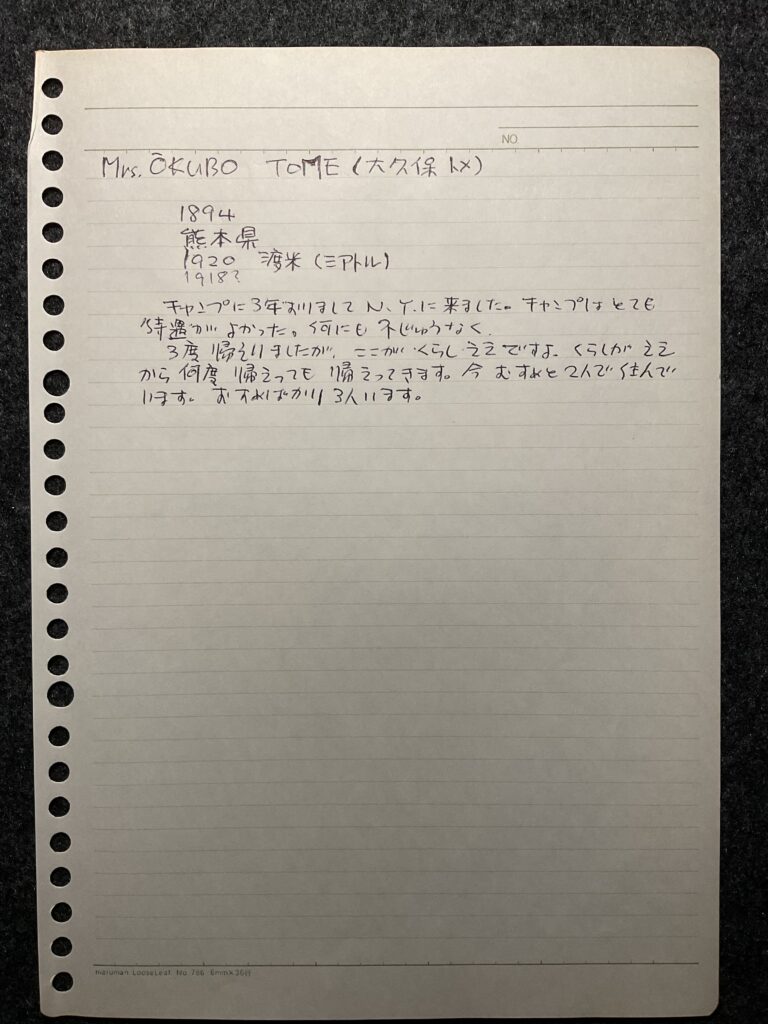
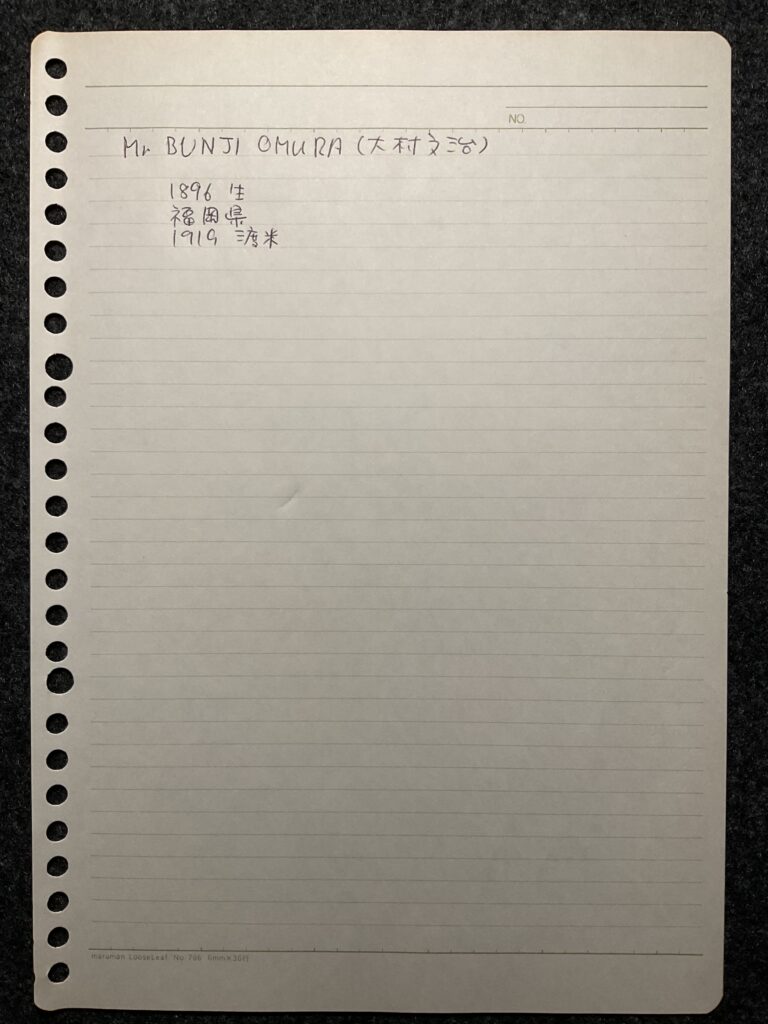
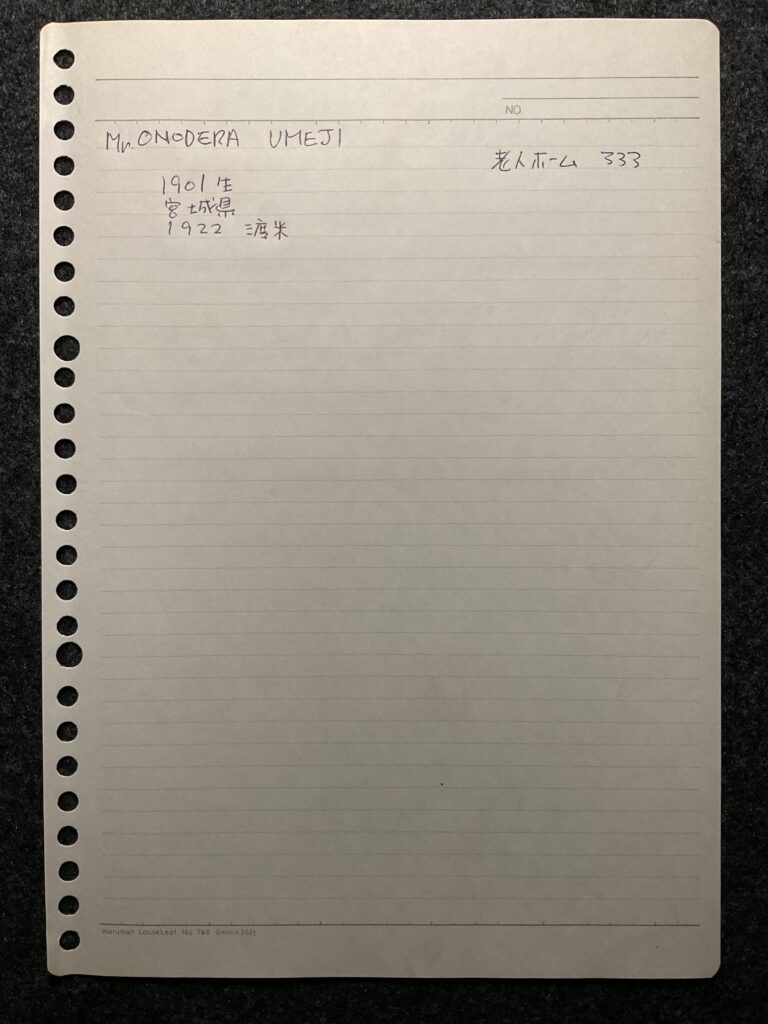
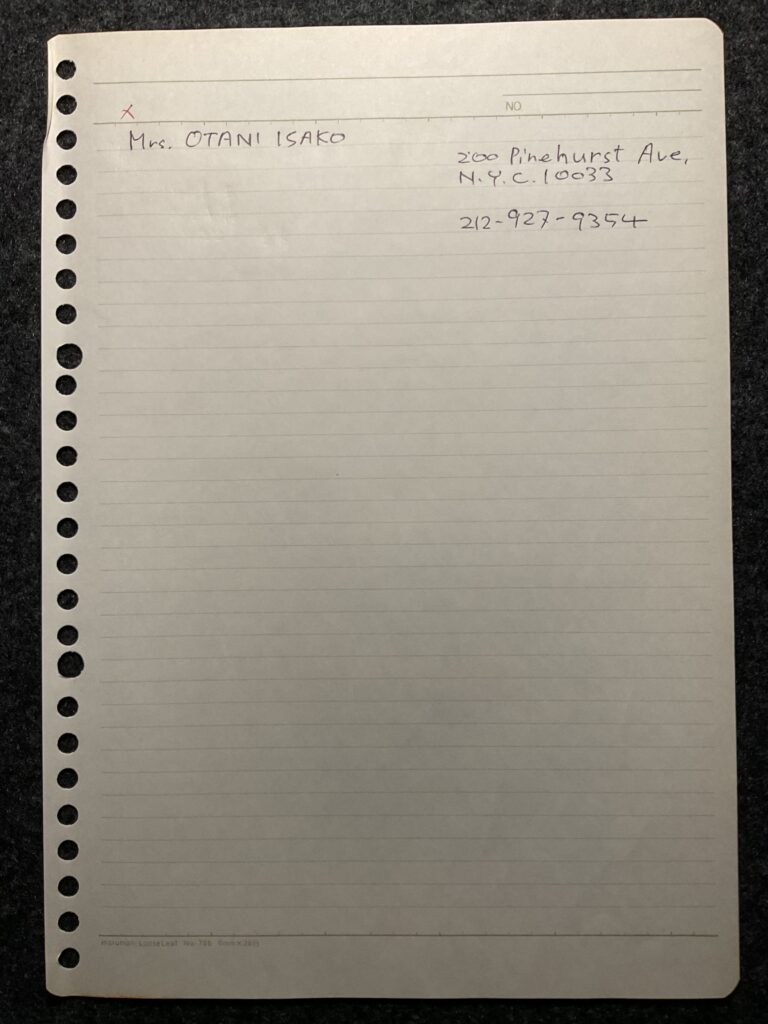
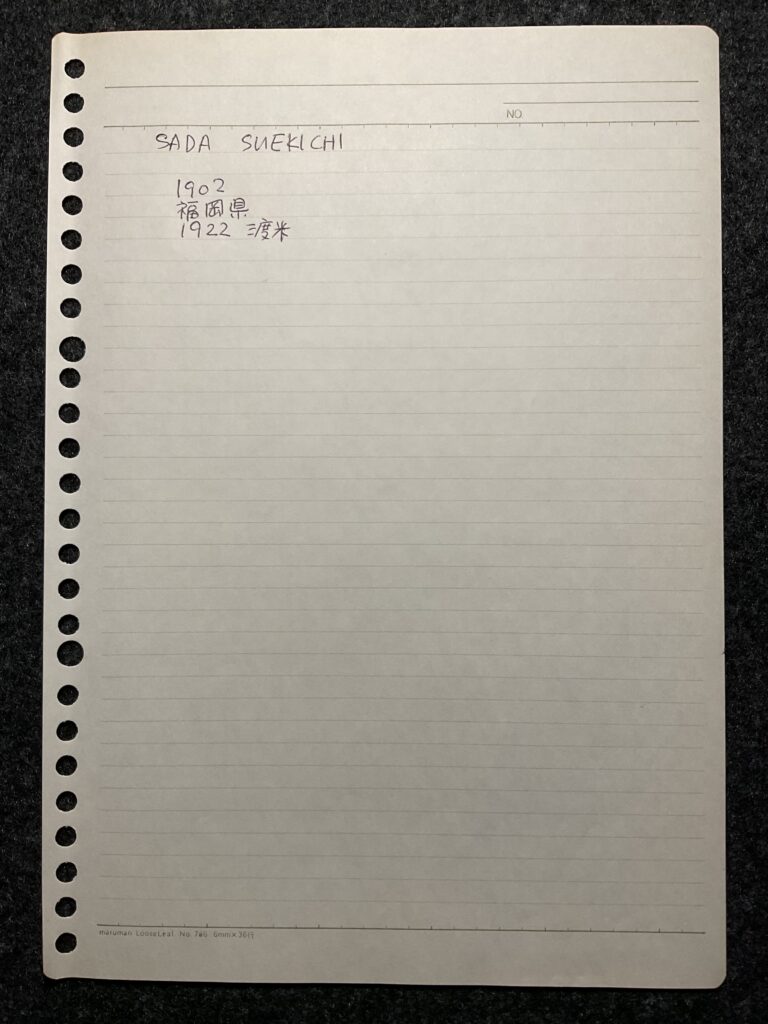
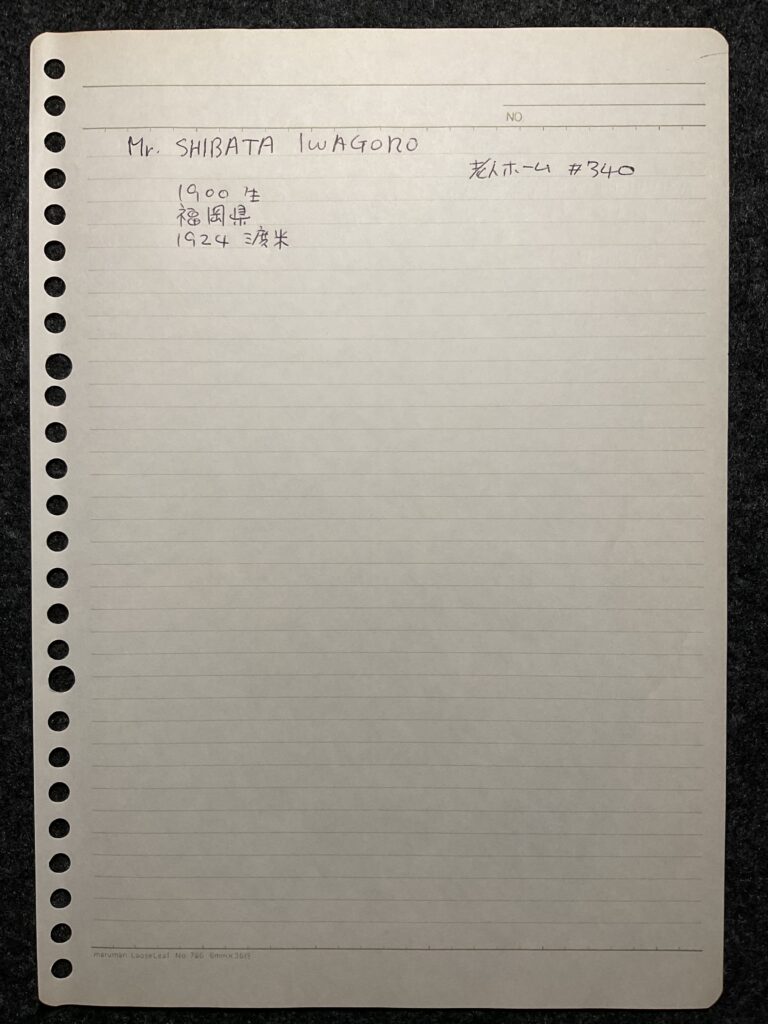
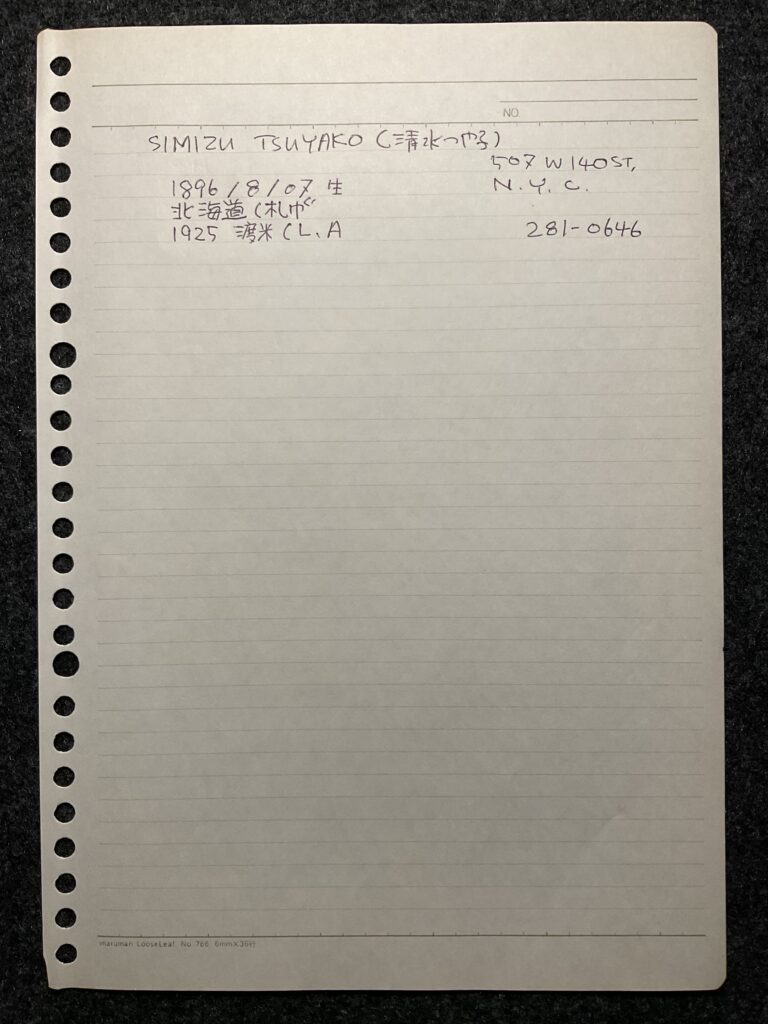
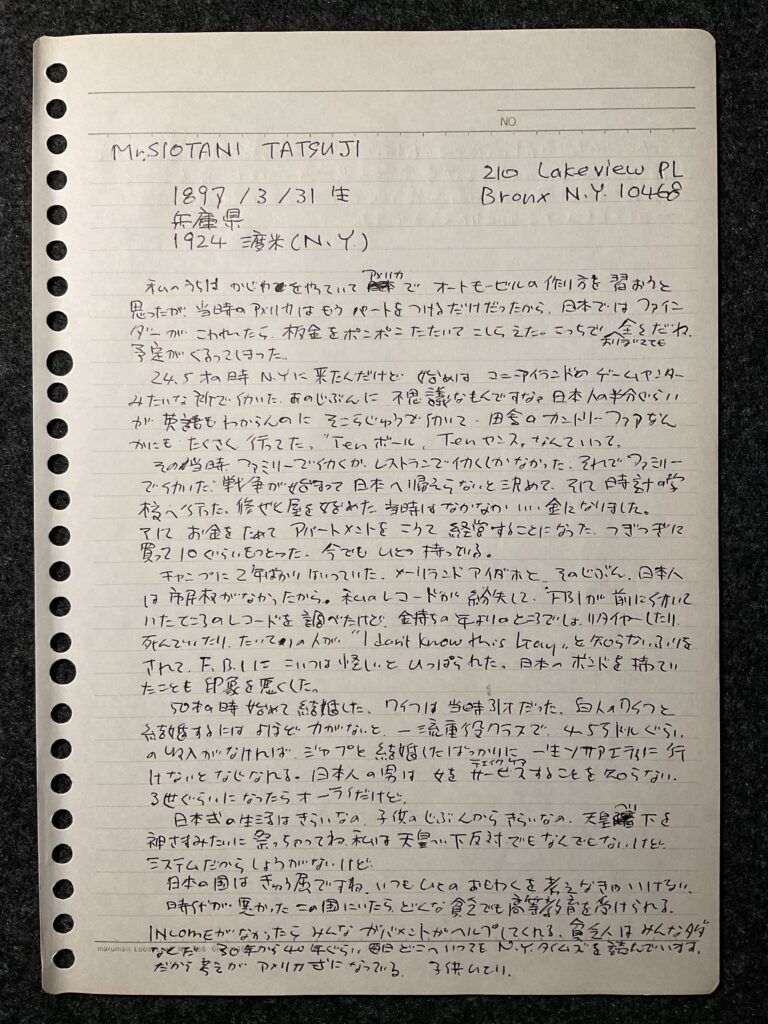
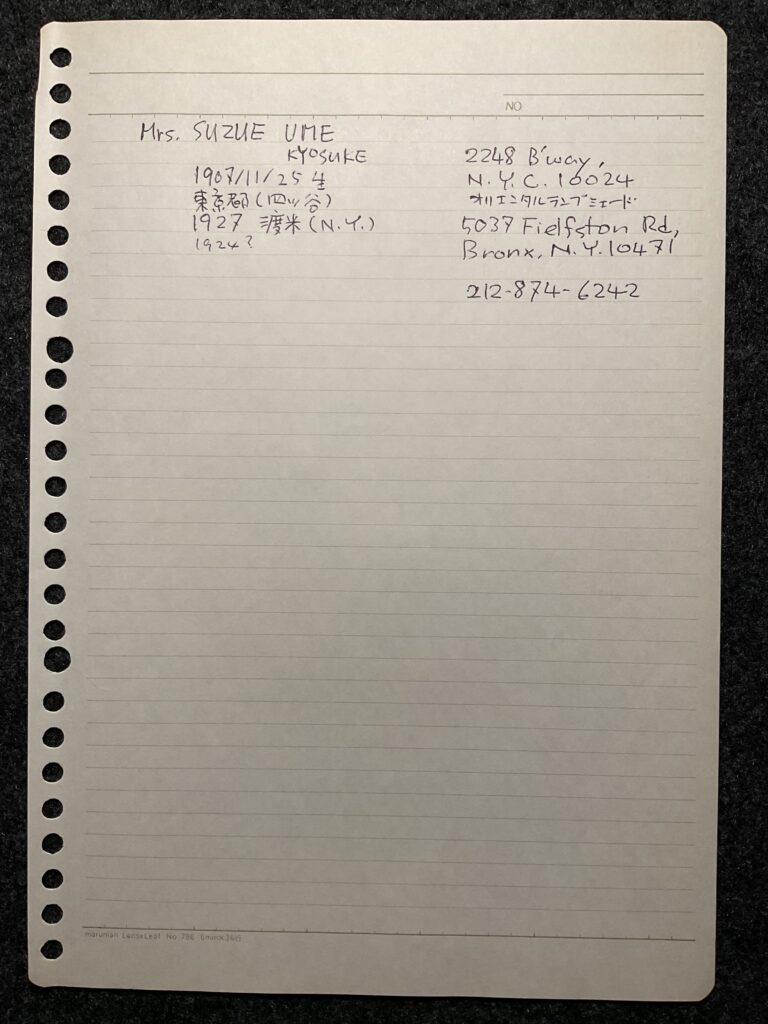
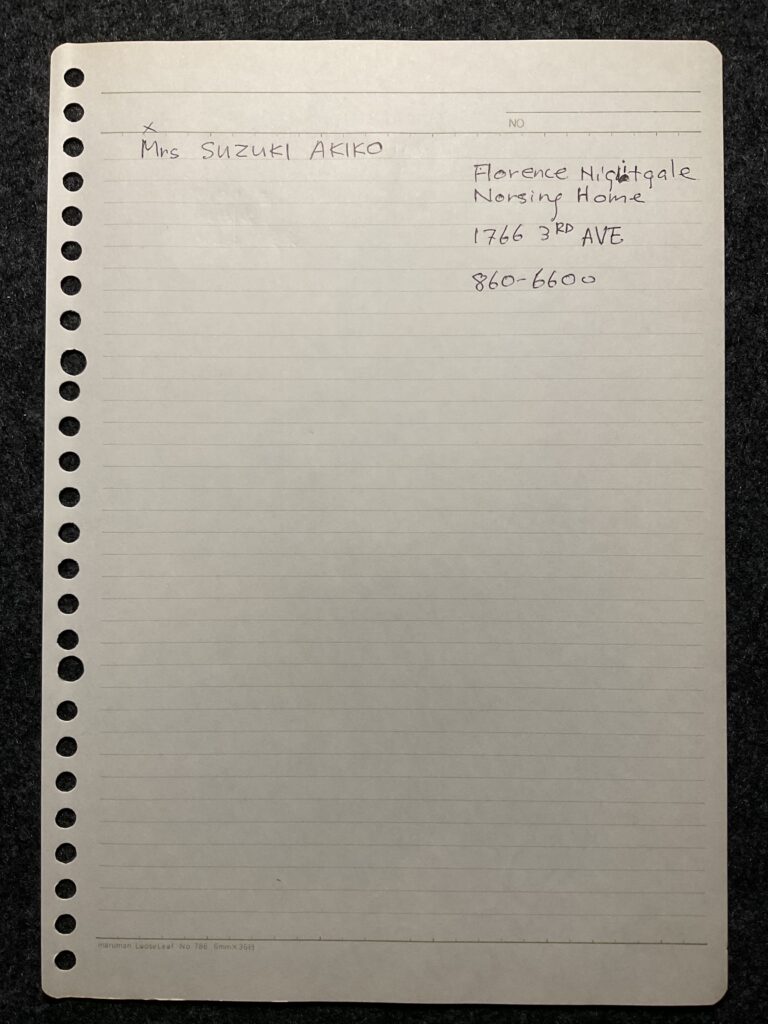
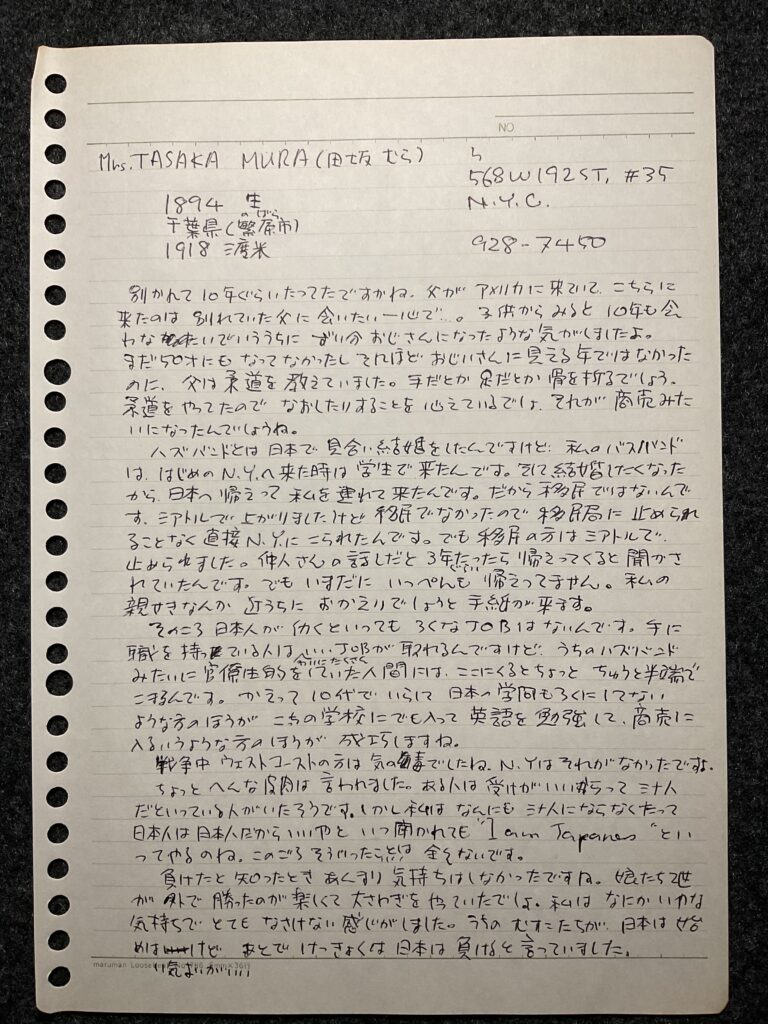
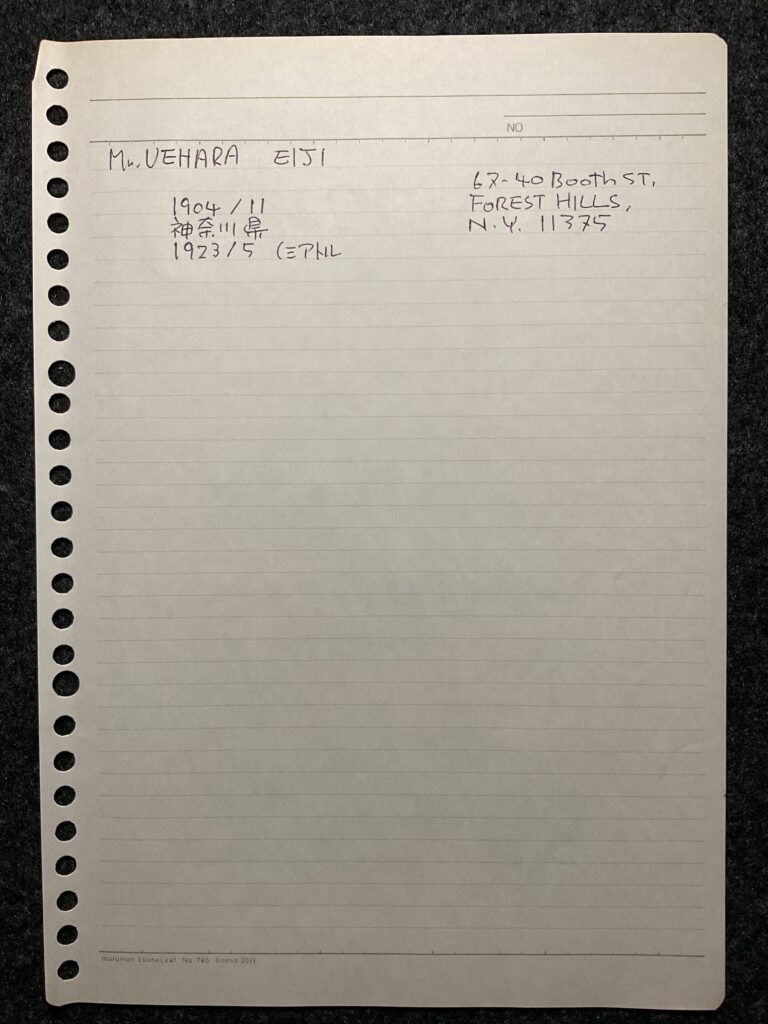
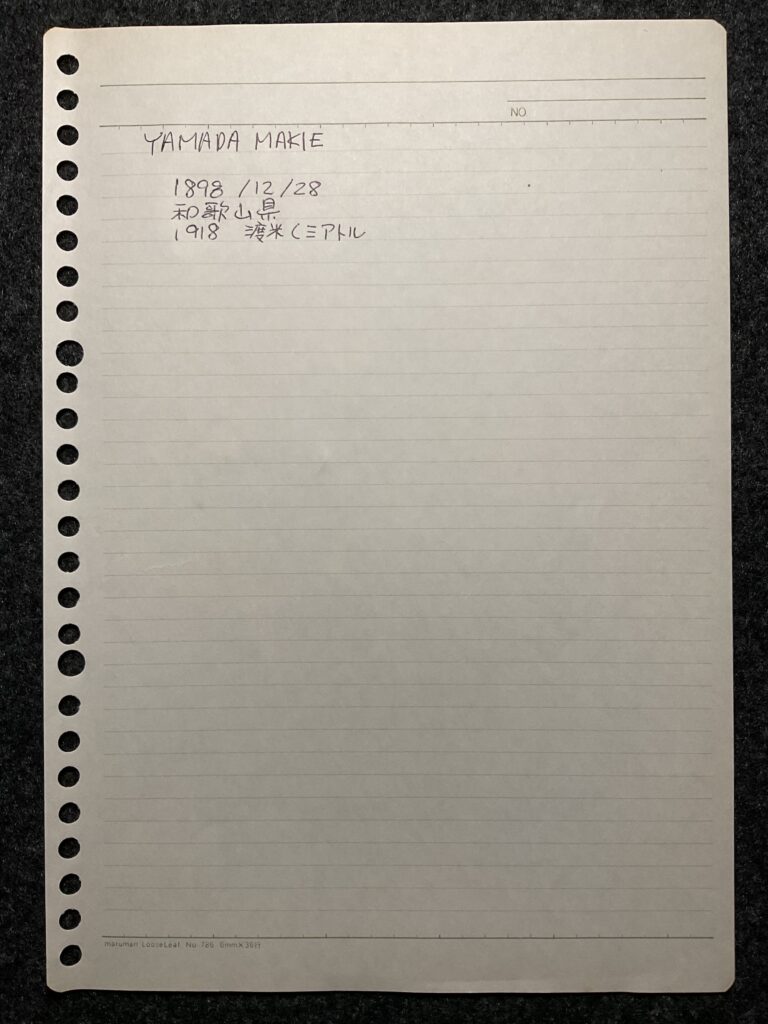
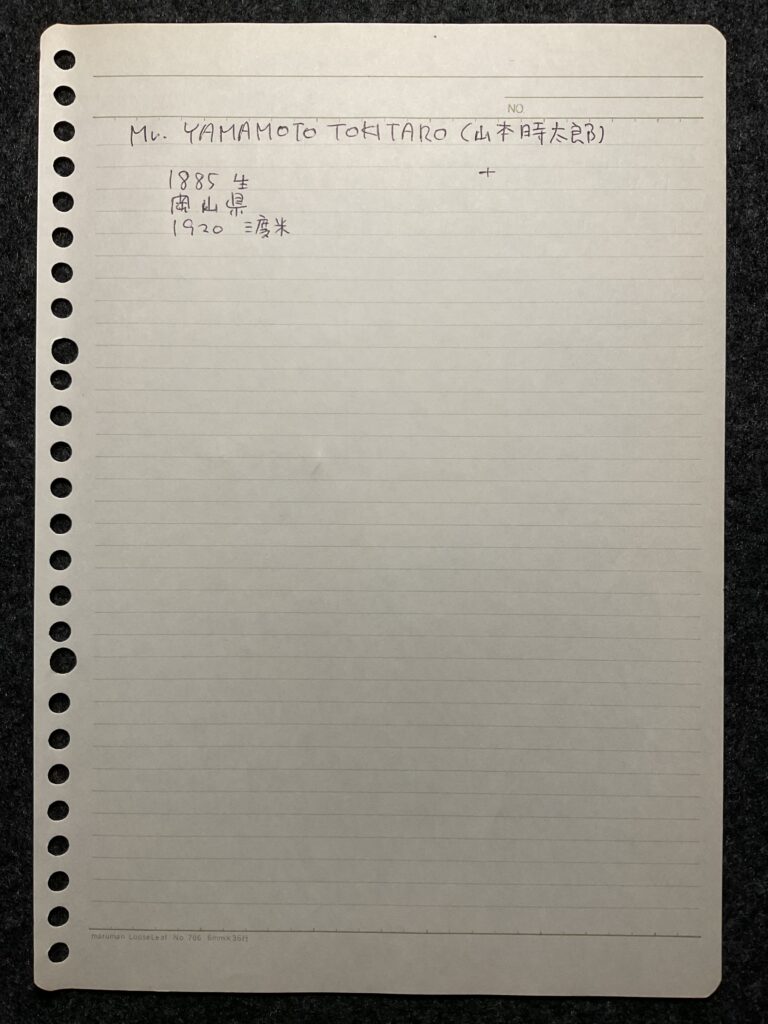
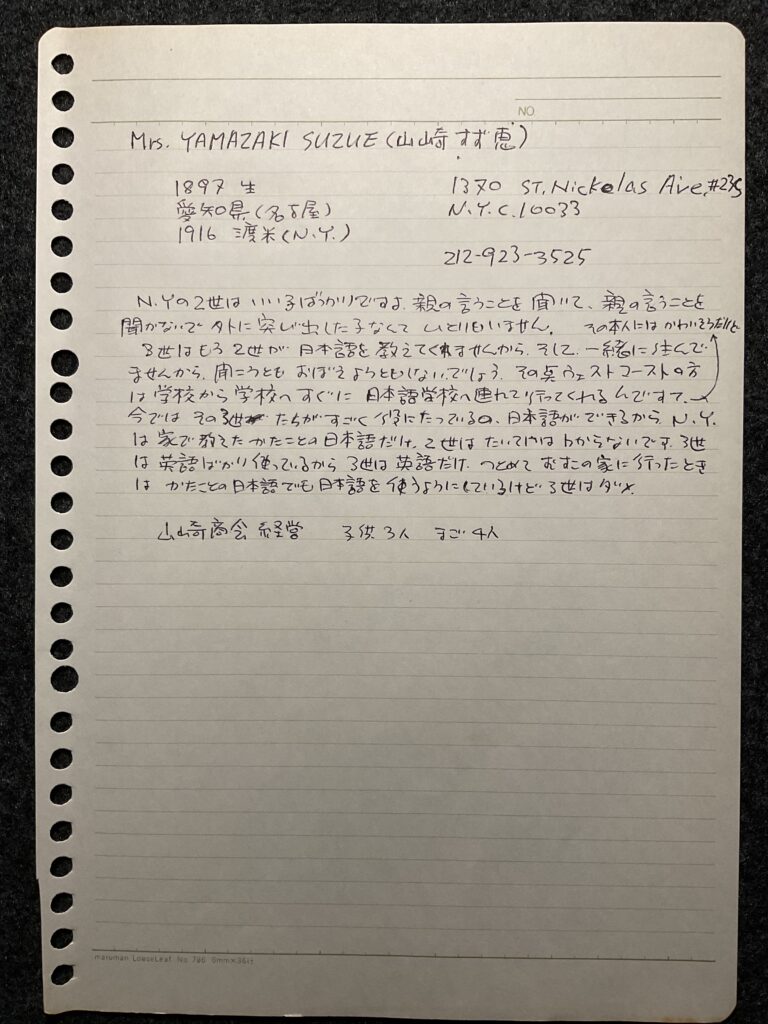
Inoue passed away in 2024, and many of the individuals in these photographs remain unidentified. By exhibiting the portraits and interview notes together, this ongoing participatory project invites family members, descendants, community members, researchers, and the public to help connect faces with names, voices, and memories, so that these portraits may continue to speak across generations.
Many of the people Inoue photographed had come to the United States before Japanese immigration was severely restricted by the Immigration Act of 1924.
Their lives carried memories of early Japanese migration, work and survival in a foreign city, the Great Depression after 1929, the attack on Pearl Harbor in 1941, wartime suspicion and family separation during World War II, and the rebuilding of Japanese and Japanese American community life after 1945.
These were not abstract historical events. By the late 1970s and early 1980s, the Issei generation who arrived before 1924 was rapidly disappearing. At the same time, the Japanese American redress movement was gaining national momentum, eventually leading to the Civil Liberties Act of 1988.
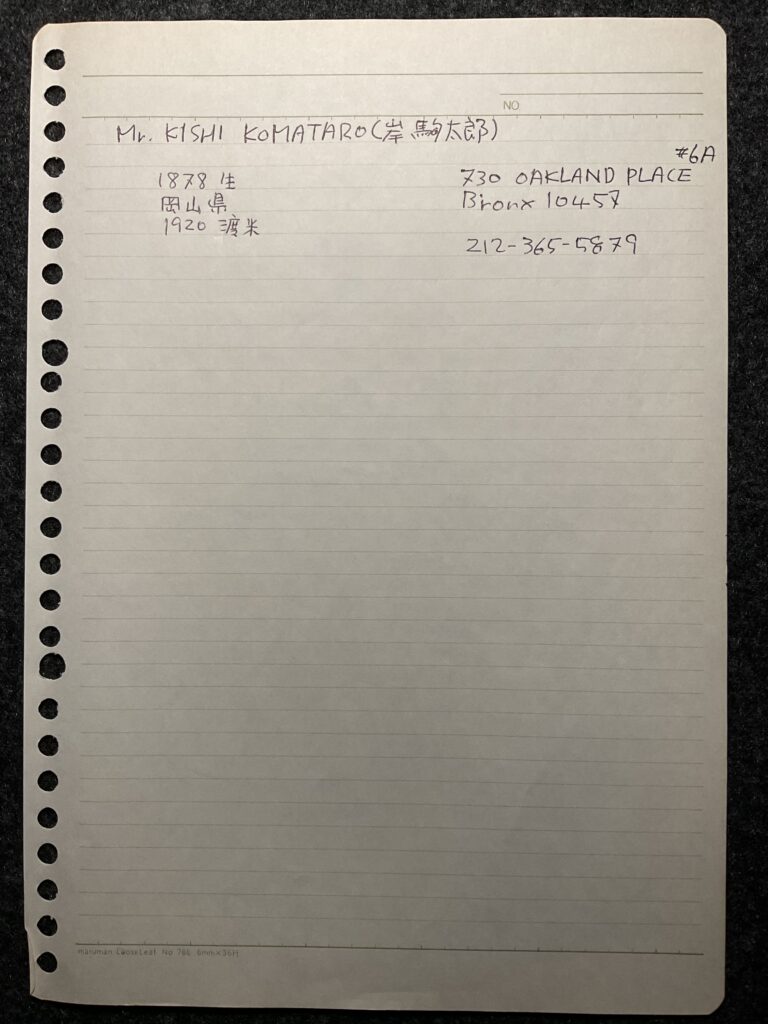
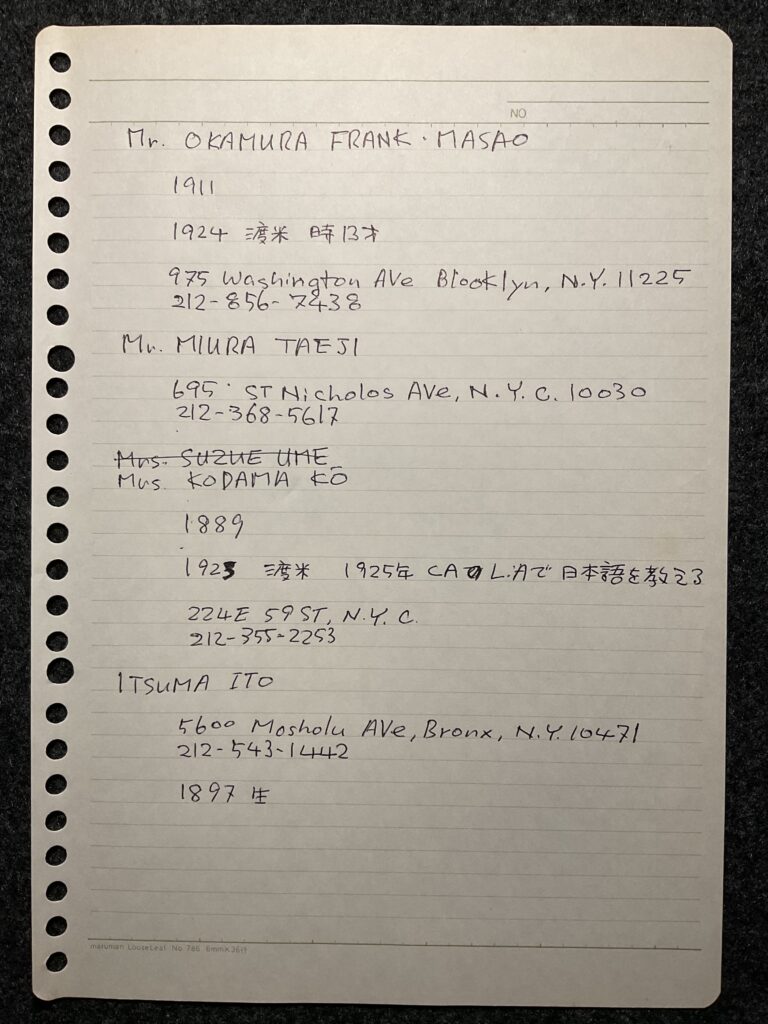
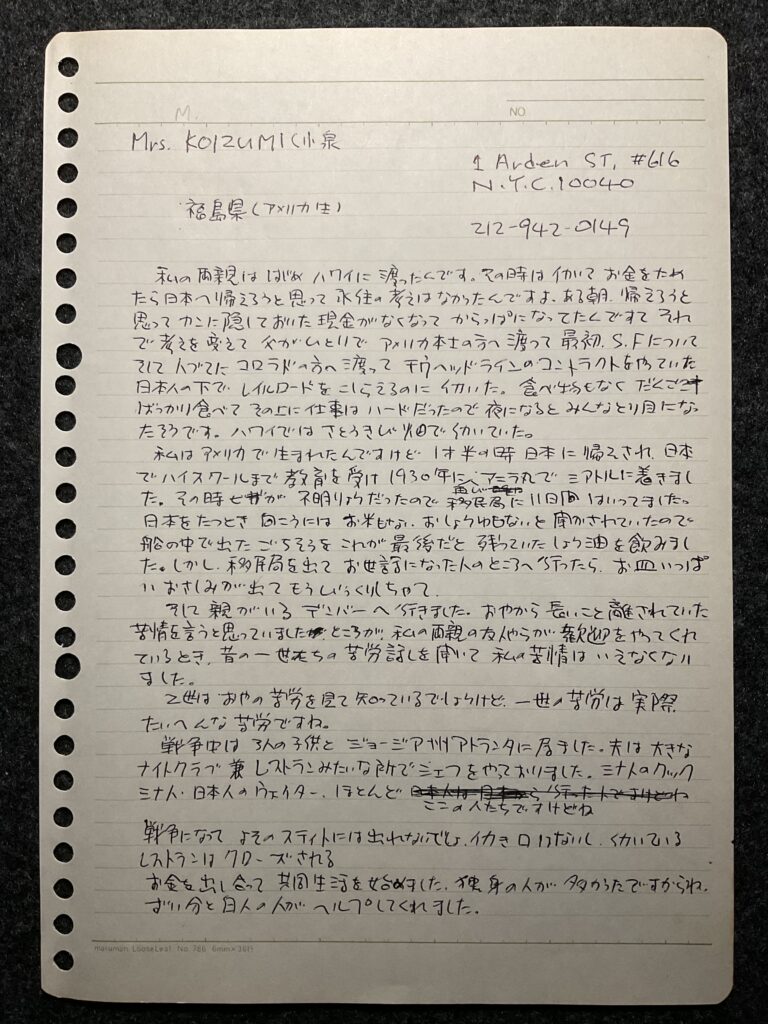
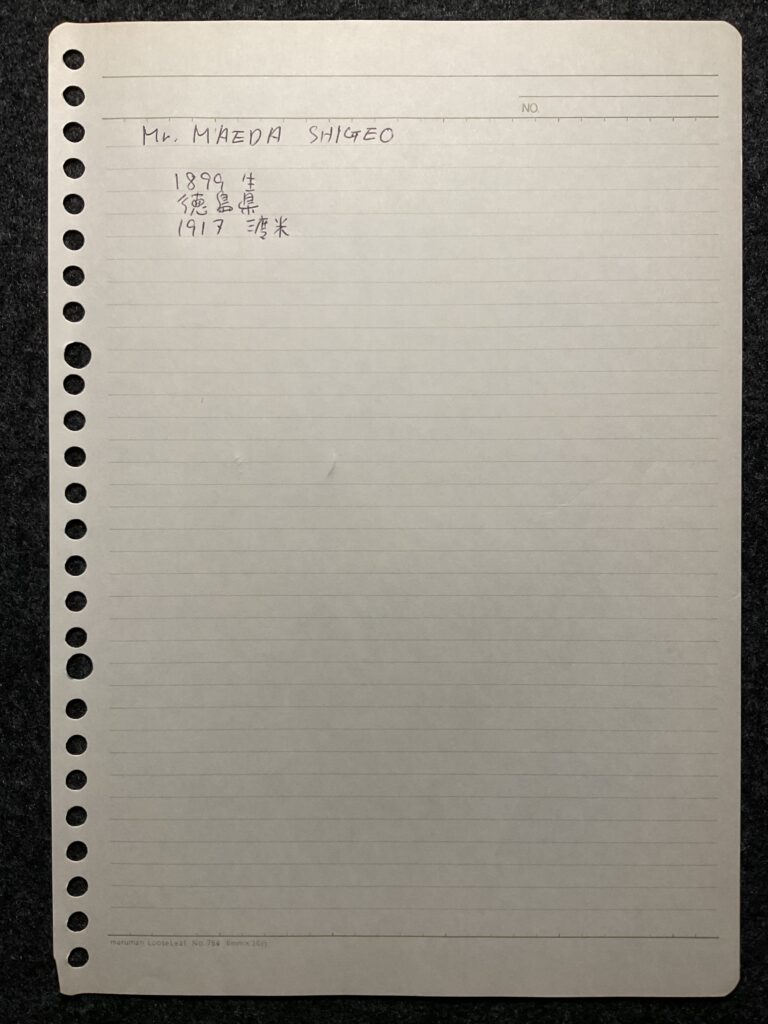
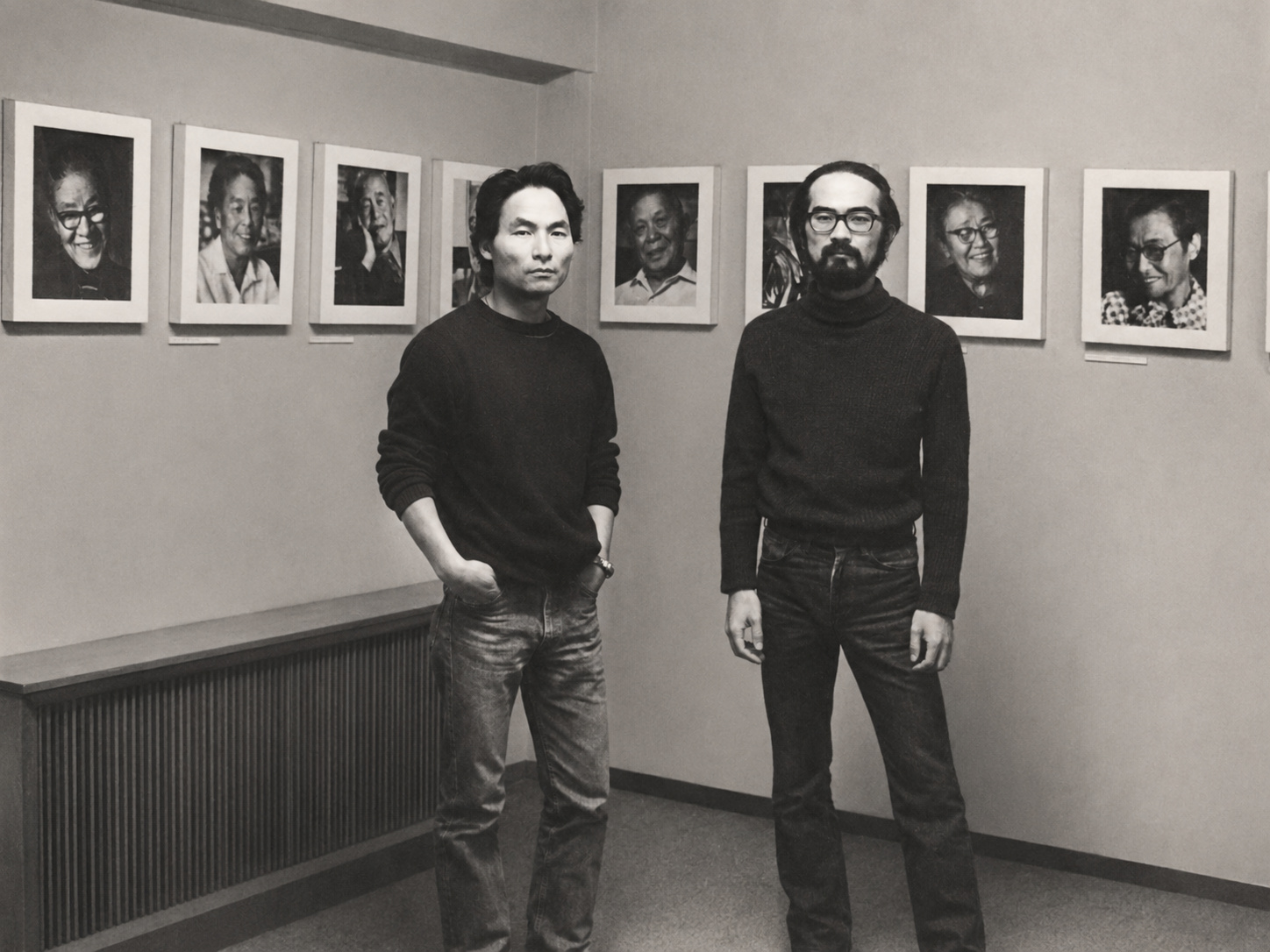
The original ISSEI project was created through a collaboration between Inoue and Teruho Saito, who conducted interviews, research, and project organization. Together, they sought to preserve the “living expressions” and “valuable life records” of a generation whose stories were beginning to disappear from living memory.
According to the original ISSEI project notes, only around 100 to 150 Issei of this prewar generation were believed to be living in New York and nearby areas at the time.
Over the course of more than a year, Inoue visited their homes, listened to their memories, and was able to meet and photograph approximately 60 people.
ISSEI was not only about prominent leaders or famous individuals. It was also about manual laborers, widows, domestic workers, restaurant owners, artists, doctors, ministers, parents, neighbors, and friends.
Their lives remind us that history is carried not only by public achievements, but also by ordinary people who endured, adapted, cared for one another, and helped build Japanese and Japanese American life in New York.
Inoue was drawn to faces marked by age and experience. He saw in them nenrin — the rings of a tree — where time, hardship, labor, dignity, humor, and survival had quietly gathered. Even in old age, after difficult and often lonely lives, many of them appeared to Inoue as energetic and full of life.
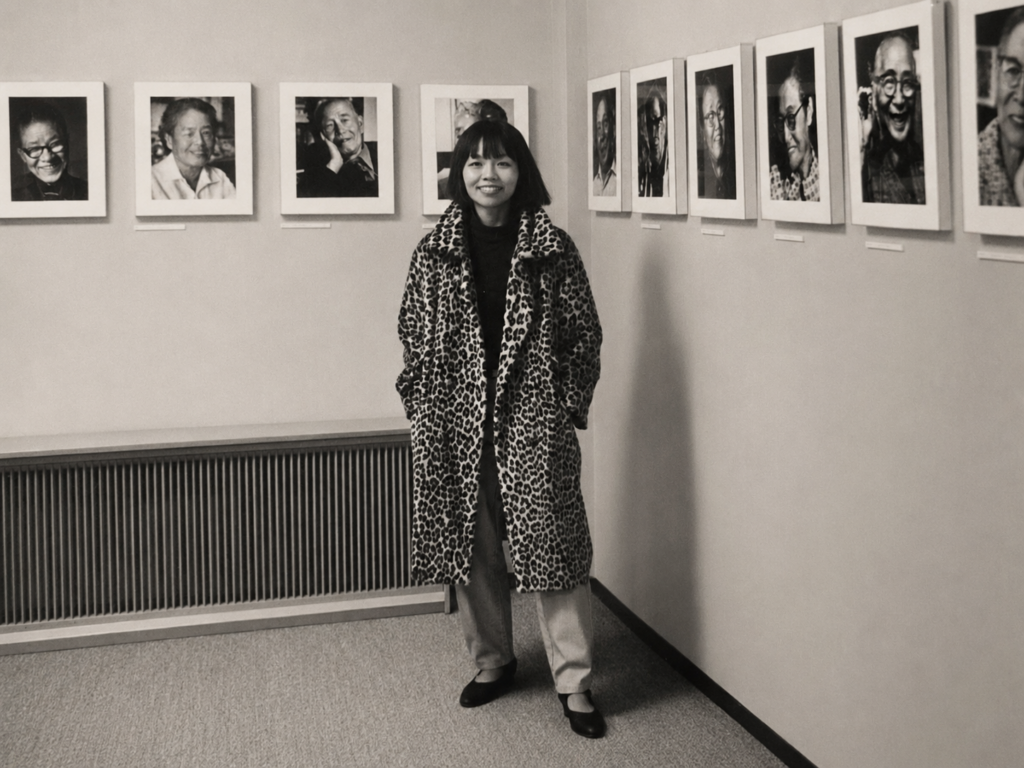
The portraits were first shown at The Japanese American Association of New York in 1980, then at the Japan Information Center of the Consulate General of Japan in New York, the Nippon Club Gallery, and Nikon Salon Ginza in Tokyo.
Through photographs, interviews, and public exhibitions, Inoue and Saito created a bridge between generations. They asked younger viewers to look closely at the Issei not as distant figures from the past, but as individuals who had lived full, complicated, and deeply human lives in New York.
Today, the Issei generation that Inoue and Saito sought to preserve is no longer here to tell these stories in person. Some names and stories connected to the portraits have also been lost over time. This digital exhibit continues the work of reconnecting them.
In collaboration with JAA, the Digital Museum of the History of Japanese in New York uses a digital platform to carry forward Inoue and Saito’s original mission: to preserve the faces, voices, and life stories of New York’s Issei and bring them alive for today’s community. By sharing these portraits and interviews online, we hope to reconnect photographs with names, names with stories, and stories with families, descendants, researchers, and community memory.
In 1980, Hiroyuki “Tora” Inoue was a Japanese photographer in his early thirties, building a successful career in New York’s fashion, advertising, and commercial photography world. His work appeared in major fashion magazines, including Vogue, and in campaigns for commercial agencies.
Yet, alongside that career, he turned his camera toward a very different and deeply personal subject: one of New York’s oldest and least visible communities, the first-generation Japanese immigrants known as Issei. For Inoue, portrait photography was never only about appearance.
More than forty years later, they were renewed through the care of artist and JAA Archive volunteer Akemi Takeda. Takeda had known Chie Inoue, who later married Hiroyuki Inoue, from their New York years. Decades later, through old albums, conversations, and memories shared by Chie Inoue and Shigetoshi Kazato, Takeda encountered the ISSEI materials again and recognized their importance for New York’s Japanese and Japanese American community history.
In 2024, Inoue suddenly passed away. After his death, Chie Inoue played an important role in bringing renewed attention to his life’s work. In spring 2025, she organized a retrospective exhibition in Tokyo titled Hiroyuki Inoue Retrospective: The World of “TORA,” Loved by the God of Photography, with Shigetoshi Kazato involved in the planning of the exhibition.
The ISSEI Collection was later donated by Chie Inoue to the Japanese American Association of New York (JAA), where the original exhibition had first been shown in 1980. In New York, Takeda helped trace memories, conduct research, and reconnect the collection with the community.
Under the guidance of JAA Executive Director Michiyo Noda, the portraits were brought back into the context of the JAA Archive and the Association’s long history. The ISSEI portraits were shown again in November 2025 JAA sponsored photo exhibition “Hiroyuki Inoue: ISSEI in New York” at JAA Hall.
What had begun as Inoue and Saito’s urgent effort to preserve the Issei generation became, through Chie Inoue’s memory, Kazato’s involvement, Takeda’s care, Noda’s guidance, and JAA’s institutional support, a renewed community effort to identify the people in the portraits and return their stories to public memory.
Acknowledgments
Original ISSEI Project
Photography: Hiroyuki Inoue
Interviews, Research, and Project Organization: Teruho Saito
Original Exhibition Venues
The Japanese American Association of New York, Inc.
Japan Information Center, Consulate General of Japan in New York
Nippon Club Gallery, New York
Nikon Salon Ginza, Tokyo
The Japanese American Association of New York Archive and Collection
Research and Cataloging: Akemi Takeda
Archival Supervision: Michiyo Noda
Identification and Archival Research Support: Eiko Aono
Transcription of Interview Materials: Takuto Nonaka, Yasuko Nakanishi
Collection Preservation and 2025 Reinstallation at JAA Hall
Collection Memory and Materials: Chie Inoue
2025 JAA Exhibition Reinstallation Support: The Family of Shigetoshi Kazato
English Translation Review: Sumi Nakazato
Digitization and Digital Exhibit Production
Digital Photography and Editing: Masao Katagami
Project Management and Digital Humanities Supervision: Mac Gill
Curatorial Research, Writing, and Art Direction: Yuka Yokoyama
IIIF / Platform Support: Anna Johansson, Magnificent H
Funding Support
Society of American Archivists, Foundation Opportunity Grant